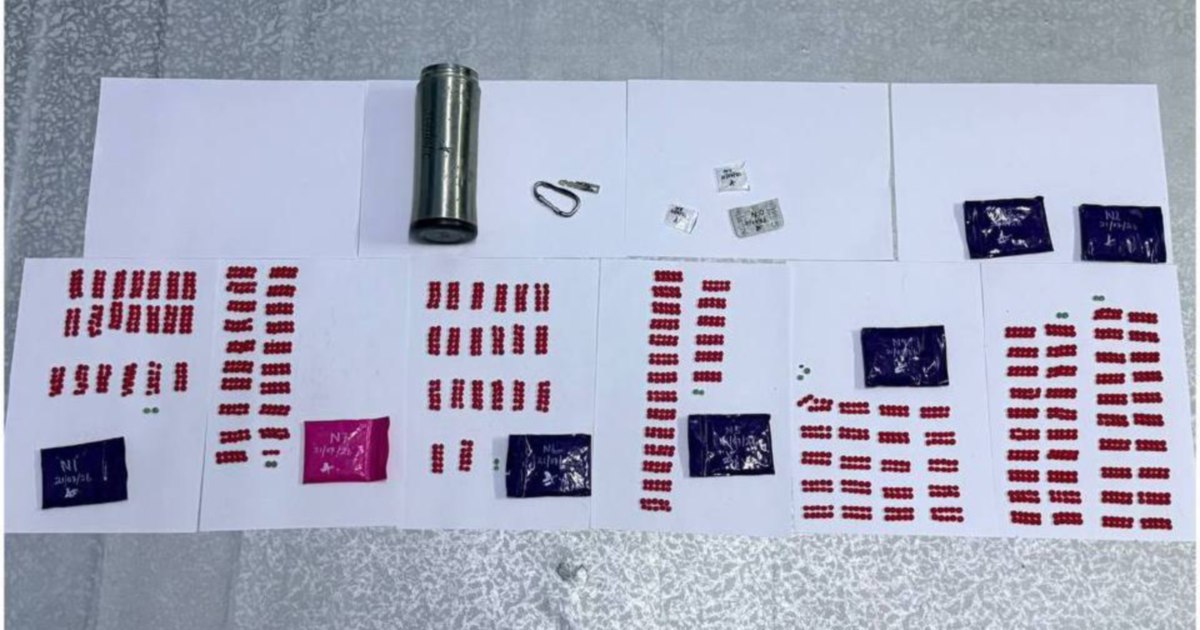
Authorities conducted a series of coordinated enforcement operations resulting in the apprehension of multiple suspects, among them a recidivist offender with an extensive history of drug-related convictions. The individual in question carries six prior narcotics offences on his record, marking him as a persistent player in the region's illicit drug trade. The arrests form part of larger GOF operations aimed at dismantling supply chains and disrupting organised criminal networks engaged in the distribution of controlled substances.
The inclusion of a repeat offender with such a substantial criminal history underscores a persistent challenge facing law enforcement authorities across the region. Individuals with multiple prior convictions frequently re-engage in drug trafficking despite previous interventions, suggesting gaps in rehabilitation efforts and the substantial profit incentives that drive continued participation in the illicit narcotics market. The recapture of such offenders during enforcement operations demonstrates both the vigilance of authorities and the cyclical nature of drug-related criminality in urban and suburban environments.
The GOF operations represent a coordinated approach to combating drug trafficking, reflecting strategies that have gained traction across Southeast Asia in recent years. These enforcement campaigns typically target mid-level dealers and distributors rather than end-users, aiming to disrupt the supply chain at critical junctures. By focusing resources on individuals with established trafficking networks, authorities seek to maximise the impact of each operation and create lasting disruption to criminal organisations.
The arrest of a suspect with six prior convictions raises questions about the effectiveness of existing penalty structures and rehabilitation frameworks. Multiple convictions suggest that previous sentences did not deter the individual from returning to drug trafficking, prompting consideration of whether sentencing guidelines adequately reflect the severity of repeat offences. This pattern is not unique to this case; recidivism rates in drug-related crimes remain a significant concern for policymakers and enforcement agencies throughout the region.
The timing and scope of the GOF operations indicate a sustained commitment to narcotics enforcement during a period when drug trafficking has become increasingly sophisticated. Criminal organisations have adapted their distribution methods and supply routes in response to law enforcement pressure, necessitating corresponding evolution in investigative techniques and operational strategies. The multi-suspect arrests suggest that authorities have successfully tracked and identified multiple members of what may constitute an integrated trafficking network.
For Malaysian communities, the continuation of such enforcement operations carries both immediate and longer-term implications. Drug availability and trafficking significantly impact public safety, healthcare systems, and social cohesion. The targeting of established traffickers potentially reduces the flow of substances into local markets, though the resilience of criminal networks means that supply disruption is often temporary unless accompanied by broader interventions addressing demand and addressing socioeconomic factors that facilitate recruitment into trafficking.
The suspect's prior convictions raise pertinent questions about incarceration and post-release supervision mechanisms. If an individual with six documented narcotics offences has been released back into the community, scrutiny naturally falls on whether parole conditions, monitoring systems, and reintegration support adequately managed the transition. These procedural elements are critical to breaking cycles of recidivism and preventing repeat offenders from returning to their previous criminal activities.
The GOF framework appears designed to facilitate regular, coordinated law enforcement sweeps across jurisdictions, enabling more comprehensive identification and apprehension of suspects. This multi-agency approach has proven effective in other regional contexts, allowing for information sharing and resource pooling that individual agencies operating independently might struggle to achieve. The inclusion of multiple arrests in a single operation suggests successful intelligence gathering preceding the enforcement action.
From a broader Southeast Asian perspective, the continued prevalence of individuals with multiple drug convictions participating in trafficking networks highlights the region's ongoing struggle with narcotics supply. Despite increased enforcement efforts and international cooperation frameworks, drug production and trafficking remain lucrative enterprises that attract repeat participation even among individuals with substantial criminal records. The persistence of such offenders suggests that economic desperation, addiction vulnerabilities, or established criminal connections create strong incentives for continued involvement despite obvious legal risks.
Moving forward, the effectiveness of these GOF operations will ultimately depend on complementary interventions addressing drug demand, social support for vulnerable populations, and comprehensive case management for offenders. Enforcement alone has demonstrable limitations when individuals view incarceration as a manageable cost of engaging in trafficking. The arrest of a six-time offender therefore serves as a reminder that sustainable progress against drug trafficking requires multifaceted strategies extending beyond law enforcement operations, encompassing prevention, treatment, and genuine rehabilitation pathways.

