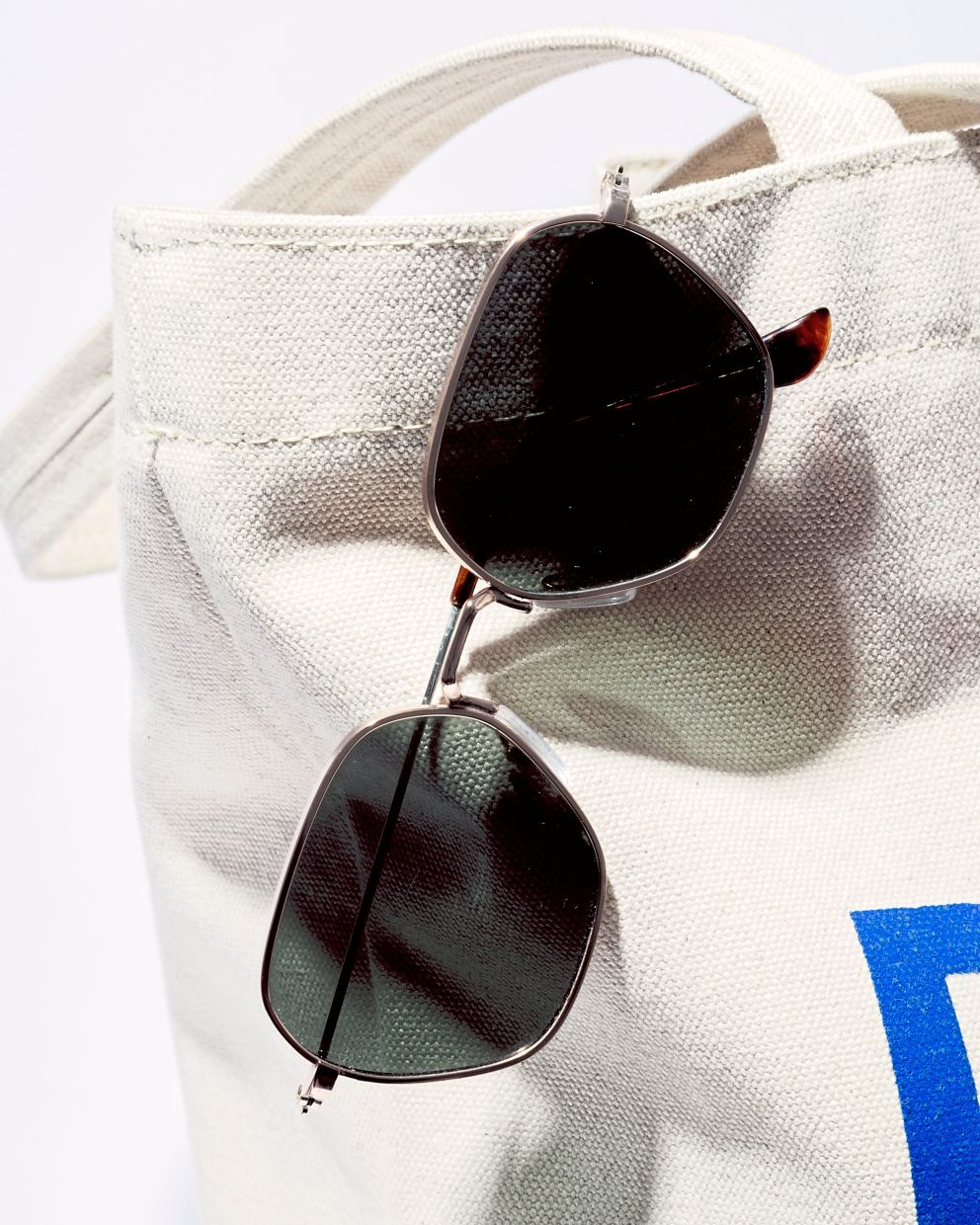
The question of whether sunglasses are necessary every time you venture outdoors has a straightforward answer from ophthalmologists: protecting your eyes from ultraviolet radiation is not optional. The sun's rays present a documented threat to ocular health that extends far beyond discomfort or squinting. Medical professionals describe sunglasses as essential equipment for maintaining long-term vision, comparable to how sunscreen protects skin from sun damage. The eyes themselves, along with the delicate eyelid skin and surrounding tissues, require consistent shielding from harmful radiation to prevent both immediate discomfort and serious long-term complications.
Understanding what sunlight actually delivers to your eyes provides crucial context for informed decisions about eye protection. Ultraviolet radiation comes in three varieties—UVA, UVB, and UVC—though only UVA and UVB penetrate Earth's atmosphere with any significance. While UVB poses greater immediate danger than UVA, both types circulate constantly regardless of whether skies appear clear or overcast. Neither type requires intense sunshine to reach your eyes; they persist throughout cloudy days as well. This omnipresent exposure creates cumulative risk over a lifetime, making intermittent protection insufficient for those seeking optimal eye health.
The consequences of unprotected UV exposure accumulate gradually but prove irreversible once established. Cataracts, which involve clouding of the eye's lens through protein buildup, naturally develop with age in many people, yet UV radiation accelerates their formation significantly. Beyond cataracts, ultraviolet rays worsen macular degeneration, a progressive condition affecting central vision that can ultimately cause severe sight loss. These serious conditions represent only part of the threat; the sun also triggers growth of abnormal tissue on the eye surface in two distinct forms. Pinguecula appears as a small yellow bump on the whites of your eyes and typically causes minor irritation without affecting vision directly. Pterygium proves more concerning because it actively invades the cornea itself, potentially requiring surgical intervention if it progresses sufficiently to compromise vision.
The eyelid region deserves particular attention because it faces elevated cancer risk from chronic sun exposure. Between five and ten percent of all skin cancers in the United States develop specifically on eyelids, a concentration reflecting the thin and sensitive nature of that tissue. The eye area contains virtually every cell type found elsewhere on the body, meaning any of these cells can transform into cancer when subjected to excessive ultraviolet radiation. Dermatologists and ophthalmologists increasingly recognize eyelid cancer as a distinct clinical concern, distinct from general skin cancer prevention strategies. This localized vulnerability distinguishes eye protection from routine sun safety; the eyes and surrounding area merit targeted defense beyond standard sunscreen application.
Many people who wear prescription eyeglasses question whether they need additional sunglasses, creating confusion about overlapping protection strategies. The straightforward answer is that modern prescription lenses often incorporate ultraviolet blocking as standard manufacturing practice, particularly those made from polycarbonate material. Most reputable optical retailers include UV protection coating as part of clear lens production, meaning your prescription frames may already provide comparable protection to darkly tinted lenses. However, this reassurance comes with important caveats: you should verify that your specific frames include this protection rather than assuming it, and you can visit any optical shop to have protection levels tested. Clear lenses with proper UV-blocking coatings function as effectively as tinted versions for radiation blocking purposes, though they offer different benefits regarding light intensity and visual comfort.
Beyond the serious medical threats, numerous secondary benefits emerge from consistent eye protection even when catastrophic conditions seem unlikely. Sunlight intensity alone doesn't directly increase cancer risk, yet excessive brightness creates uncomfortable symptoms including eye fatigue, dryness, headaches, and visual strain that degrade daily quality of life. The natural human response to intense light involves squinting, an adaptive response that unfortunately contributes to cosmetic aging through wrinkle formation around the eyes. Wearing sunglasses relaxes the muscles involved in squinting, thereby reducing crow's-feet development—a benefit that motivates many people beyond disease prevention alone. This combination of medical necessity and cosmetic motivation explains why eye protection appeals across different age groups and circumstances.
When shopping for either sunglasses or prescription eyeglasses, specific labeling provides reliable guidance for adequate protection. Look for designations stating "UV400" or "100% UVA/UVB protection," terms that function interchangeably and indicate blockage of 99 to 100 percent of ultraviolet radiation. In the United States, the Food and Drug Administration regulates sunglasses, making false UV claims illegal and providing consumers baseline confidence in labeled products. However, this regulatory oversight applies primarily to the American market, and regulations in Southeast Asia and Malaysia may differ substantially. Cheap sunglasses—particularly budget options costing only a few ringgit—pose genuine hazards because extremely dark lenses without ultraviolet protection force pupils to dilate, allowing more unfiltered UV radiation to penetrate directly to the retina. Such bargain eyewear demonstrates that darker appearance alone provides no protection; substance matters more than appearance in this critical decision.
The practical question of carrying multiple pairs of glasses deserves honest consideration given lifestyle and individual sensitivity. If you wear prescription frames with built-in UV protection and find sunglasses inconvenient to transport and maintain, the medical evidence doesn't mandate two pairs in every circumstance. However, this flexibility applies primarily to individuals without particular light sensitivity or those with limited outdoor exposure. People who spend extended hours in direct sunlight—particularly those engaged in outdoor activities, beach work, or regular driving—should prioritize comprehensive protection strategies. Beyond eyewear choices, ophthalmologists recommend layering protection through wide-brimmed hats and facial sunscreen for maximum coverage, especially during extended outdoor periods. This multimodal approach addresses both direct eye exposure and the surrounding tissue vulnerability that sunglasses alone cannot fully prevent.
The debate about sunglasses ultimately reflects broader questions about balancing practical convenience against health optimization. Medical consensus remains unambiguous: UV radiation damages eyes measurably and irreversibly, and protection prevents genuine disease risk. Yet the specific implementation—whether through prescription lenses alone, dedicated sunglasses, or alternating between options—accommodates individual preference and circumstance. The essential principle demands avoiding situations where direct sunlight reaches your retina without any intervening protection, whether that protection originates from prescription lenses, sunglasses, or a combination approach. Modern life requires outdoor exposure, and sunshine provides essential vitamin D and psychological benefits, meaning complete avoidance is neither possible nor advisable. What matters instead is deliberate, informed protection that acknowledges real risks while respecting personal comfort and practical constraints in daily life.

