Novak Djokovic's pursuit of a historic 25th Grand Slam title appears to have encountered a surprising shift in fortune, with injuries to his fiercest rivals potentially reshaping the landscape at the U.S. Open. The 37-year-old Serbian champion is targeting a fifth title at Flushing Meadows, though he arrives with limited match preparation and unresolved physical concerns. The convergence of Jannik Sinner's knee injury absence and Carlos Alcaraz's return from an extended four-month wrist rehabilitation creates an opening that seemed improbable just months ago.
Djokovic's recent Grand Slam record tells a story of frustration despite competitive performances. Since capturing the U.S. Open crown in 2023, he has remained a formidable presence at tennis's highest level, yet Alcaraz and Sinner have orchestrated a remarkable dominance by combining to claim ten of the previous eleven major championships. The Serbian veteran's attempts to establish an outright record have been repelled repeatedly by this younger generation, with the pair combining to defeat him five times across the last six Grand Slams. Even his most promising opportunity came undone when Alcaraz triumphed in this year's Australian Open final, suggesting that Djokovic's window for further major glory was slowly closing.
Yet the 37-year-old approaches this tournament armed with unwavering conviction and a distinctly cultural perspective on adversity. In a new documentary released before the year's concluding major, Djokovic invoked the Serbian concept of "inat," describing it as a stubborn, defiant force that emerges when external circumstances turn unfavourable. He characterised this mentality as deeply embedded within Serbian cultural identity—a psychological resource mobilised precisely when scepticism is loudest and opposition most pronounced. This philosophical framework appears to underpin his decision to continue competing despite the physical toll of pursuing records at an advanced age in professional tennis.
The injury landscape has genuinely altered the tournament's competitive balance. Sinner's withdrawal through knee injury represents the absence of the man who shared a combined ten major titles with Alcaraz over their recent dominance. Alcaraz's situation presents greater ambiguity: while defending champions frequently produce exceptional performances under pressure at Grand Slams, his extended absence raises legitimate questions about match sharpness and physical readiness. Four months represents a substantial interruption to competitive rhythm, particularly given the intensity and specific demands of major championship tennis across varied court surfaces and playing conditions.
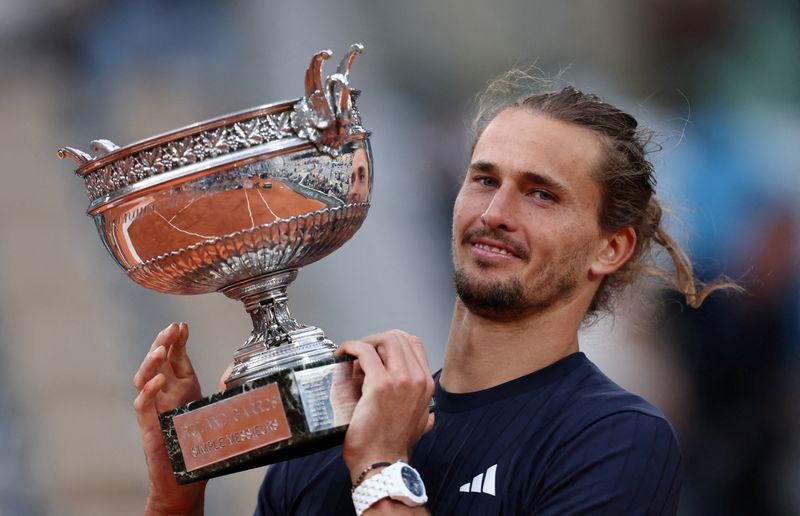
Alexander Zverev has emerged as the most credible immediate threat to Djokovic's aspirations. The German player's breakthrough French Open victory finally delivered his maiden major title after years of speculation about his capacity to perform under major championship pressure. His subsequent run to the Wimbledon final provides additional evidence of sustained form and confidence at the sport's grandest stages. Zverev's transformation from perennial contender to major champion significantly elevates his credentials in New York, where he possesses the athletic tools and game sophistication to challenge any opponent.
Djokovic's longevity and accomplishments have earned recognition even from his generation's elder statesmen. Roger Federer, speaking to reporters in New York, offered measured but genuine acknowledgement that Djokovic cannot be dismissed from any major tournament he enters. Federer emphasised the Serbian's unprecedented consistency across different surfaces and competitive environments throughout his career, noting that his mere presence in a draw constitutes a meaningful championship threat. This assessment reflects Federer's direct experience competing against Djokovic across multiple decades and venue types, providing perspective grounded in extensive contemporary observation.
America's tennis prospects have also strengthened considerably heading into the championship. Ben Shelton's Canadian Open triumph in Montreal represents a major breakthrough following an otherwise underwhelming summer, particularly his disappointing Wimbledon first-round departure. The young American's form surge comes at an opportune moment for domestic hopes after more than two decades without a men's champion. Frances Tiafoe brings credentials as Cincinnati runner-up, while 2024 finalist Taylor Fritz remains a genuine contender equipped to end the drought extending back to Andy Roddick's 2003 victory.
Shelton's consistency throughout major tournaments remains an analytical focal point, however. Former U.S. Open champion Roddick observed that the American must execute effectively during the tournament's opening seven days to maintain serious contention through the second week. This assessment reflects Shelton's historical pattern in majors where first-round losses have occasionally interrupted his progression. Roddick acknowledged the tension between Shelton's demonstrated capacity to win titles across multiple surfaces and persistent questions about whether this ability translates into major championship success under sustained pressure over two weeks.
Beyond the established contenders, emerging talents including Arthur Fils and Rafael Jodar will seek to capitalize on opportunities presented by the altered circumstances at this year's championship. Felix Auger-Aliassime, who reached the semi-finals last year, looks to build upon his joint-best major championship result and establish himself as a consistent force in tennis's upper echelon. These players collectively represent generational talent that could eventually reshape the sport's competitive hierarchy, though immediate U.S. Open viability remains uncertain.
The tournament arrives at a fascinating juncture where veteran experience intersects with youthful dominance and emerging challenges from the sport's second tier. Djokovic's record pursuit depends not merely on his own conditioning and mental resilience but equally on whether younger rivals can maintain peak performance or whether injuries and layoffs create unexpected opportunities. The convergence of these factors generates genuine unpredictability unusual in recent major championships, where the outcome seemed largely predetermined by Sinner and Alcaraz's overwhelming consistency. This uncertainty itself validates Federer's assessment: while Grand Slam tennis has become increasingly concentrated among elite performers, individual tournaments retain capacity to surprise.

