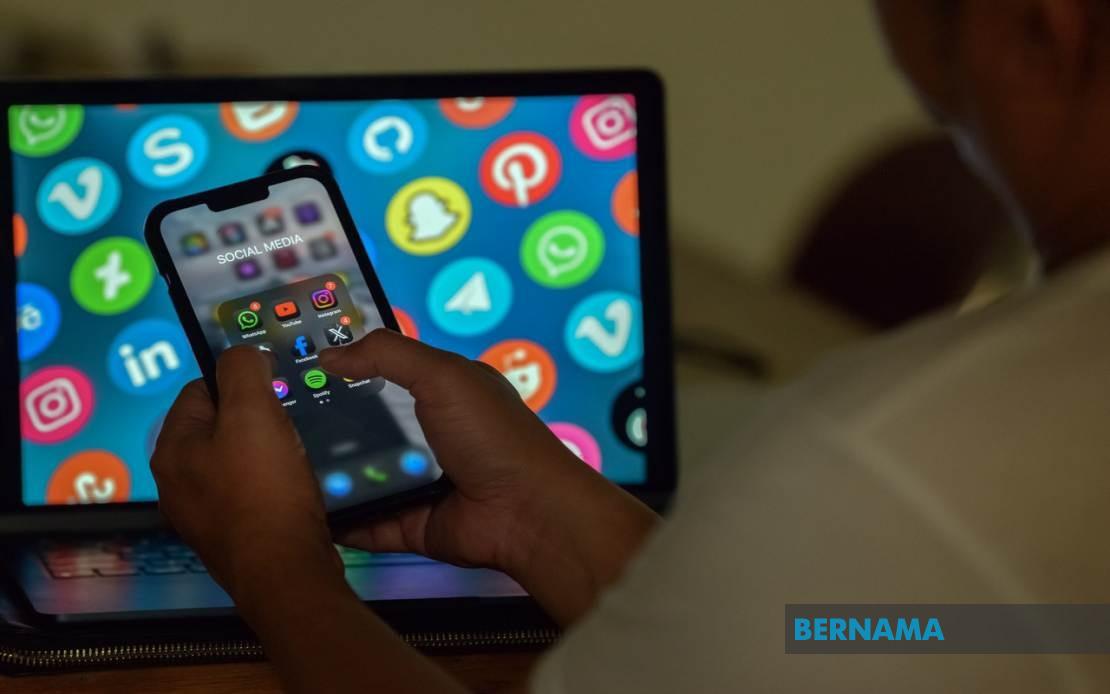
The upcoming Negeri Sembilan state election on August 1 is witnessing a marked transformation in how political candidates connect with voters, with digital platforms emerging as the primary battleground rather than traditional town halls and rallies. As candidates from Pakatan Harapan, Barisan Nasional, and Perikatan Nasional accelerate their campaign activities in the final stretch, social media has become the indispensable tool for reaching the state's 889,490 registered voters, reflecting a broader shift in Malaysian electoral dynamics that carries implications for how politics will be contested in future state and federal elections.
The strategic deployment of different social media platforms reveals a sophisticated understanding of voter demographics and online behaviour. Candidates have tailored their digital presence to match where specific generations spend their time online, recognising that a one-size-fits-all approach to social media campaigning is no longer viable in an increasingly fragmented media landscape. Facebook and YouTube remain the platforms of choice for reaching older voters, including Baby Boomers and Generation X, as well as Millennials who grew up with these established social networks. This generational segmentation reflects broader trends in media consumption across Southeast Asia, where aging populations have increasingly adopted social media for news and political engagement.
Younger voters, particularly those in Generation Z, have become the target audience for campaigns on TikTok, Threads, and Instagram, where short-form video content and visual storytelling dominate. This divergence in platform strategy underscores how political campaigns must now operate across multiple digital ecosystems simultaneously, each with its own aesthetic conventions, content formats, and audience expectations. The investment in these platforms suggests that candidates and their teams recognise that failing to engage younger voters on their preferred channels risks being rendered invisible to a significant portion of the electorate.
The content strategies themselves have evolved considerably from the early days of political social media marketing. Rather than lengthy policy documents or formal statements, candidates are now producing Point of View clips, leveraging trending audio, and sharing behind-the-scenes content that presents a more humanised version of political engagement. This shift towards casual, authentic-seeming content reflects both a genuine evolution in how politicians communicate and a calculated effort to appear more relatable and less stilted than traditional campaign messaging. Infographics have become a standard tool for breaking down manifestos and policy positions into digestible visual format, while livestreams allow for real-time interaction and question-and-answer sessions that create a sense of direct dialogue between candidates and voters.
Notable examples of this digital campaigning approach include Pakatan Harapan's Linggi candidate Datuk Seri Aminuddin Harun, the incumbent menteri besar, who has been documenting his daily activities through photos and videos that range from religious observances and community meals to informal neighbourhood visits by motorcycle. This strategy of showcasing routine aspects of campaign life serves multiple purposes: it humanises the candidate, demonstrates visible commitment to grassroots engagement, and generates a constant stream of content for social media distribution. Aminuddin's messaging emphasises continuity and proven governance, positioning stability as his key electoral proposition while appealing to voters concerned about economic certainty and effective administration.
The approach adopted by other candidates reveals common themes across the political spectrum. Ahmad Shahir Mohd Shah, known as Ustaz Shahir and representing Pakatan Harapan's Paroi constituency, has similarly embraced extensive social media coverage of his campaign vision for local economic development and prosperity. Meanwhile, Dr Azizul Hakim Mahdi, the PH candidate for Rantau, has combined community engagement with demonstrations of his professional credentials by offering free health screenings for senior citizens, a strategy that directly addresses voter concerns while building personal credibility. These varied approaches suggest that candidates understand social media as a tool not merely for broadcasting messages but for demonstrating their character, competence, and commitment to constituency-specific issues.
Barisan Nasional candidates have adopted similar digital engagement strategies, with figures such as Datuk Seri Mohamad Hasan and Datuk Seri Jalaluddin Alias leveraging social media to showcase campaign activities and maintain voter contact. This convergence in digital tactics across different political coalitions indicates that social media has become a baseline expectation for campaign competence rather than a novel innovation. Candidates who fail to maintain active, engaging social media presence risk appearing out of touch or insufficiently committed to reaching modern voters, regardless of their experience or political standing.
Candidates from smaller parties and independent candidates have also recognised the necessity of social media engagement, with representatives from Perikatan Nasional's component parties including Bersatu, as well as candidates from Parti Orang Asli Malaysia, Parti Sosialis Malaysia, and Barisan Jemaah Islamiah Se-Malaysia all turning to digital platforms to promote their electoral pledges. This democratisation of campaign reach through social media presents both opportunities and challenges for smaller political entities, potentially allowing them to punch above their weight in voter visibility while requiring them to compete directly with better-resourced mainstream parties in the same digital spaces.
The timing of this digital-first campaign approach carries particular significance for Malaysia's electoral future. As early voting is scheduled for July 28 with main polling on August 1, the compressed campaign period may actually favour candidates with well-established social media infrastructure and engaged online communities. Unlike traditional ground campaigns that require sustained physical presence and volunteer mobilisation, social media campaigns can reach large audiences relatively quickly once momentum builds, though they also risk being ephemeral if content fails to resonate or generate meaningful engagement.
For Malaysian politics more broadly, the Negeri Sembilan election serves as a testing ground for how effectively social media can drive voter mobilisation and influence electoral outcomes at the state level. The approaches being trialled here—demographic-targeted platform strategies, authentic-seeming content production, and real-time voter engagement—will likely inform how future elections are contested across the country. As younger voters become an increasingly significant portion of the electorate in coming years, the sophistication with which parties deploy digital campaign tools may well become a determining factor in competitive races.
The transition to social media-centric campaigning also reflects changing resource allocations within political organisations. Candidates must now maintain digital teams capable of producing regular, engaging content across multiple platforms simultaneously, a requirement that shifts campaign infrastructure away from traditional organisational structures towards more agile, content-focused operations. This transformation has implications for how political parties recruit talent, allocate budgets, and structure their campaign organisations, with digital skills becoming as crucial as traditional political organising abilities.
Ultimately, the Negeri Sembilan election demonstrates that Malaysian politics has entered a fundamentally transformed media environment where social media is no longer supplementary to campaign strategy but central to it. Voters across all age groups now expect political engagement to occur in digital spaces, and candidates who fail to meet these expectations risk being marginalised from public discourse regardless of their policy offerings or political experience. As the August 1 polling day approaches, the intensity of social media campaign activity will likely only increase, with candidates pushing their digital strategies to maximum capacity in the final push to influence voter decisions.

