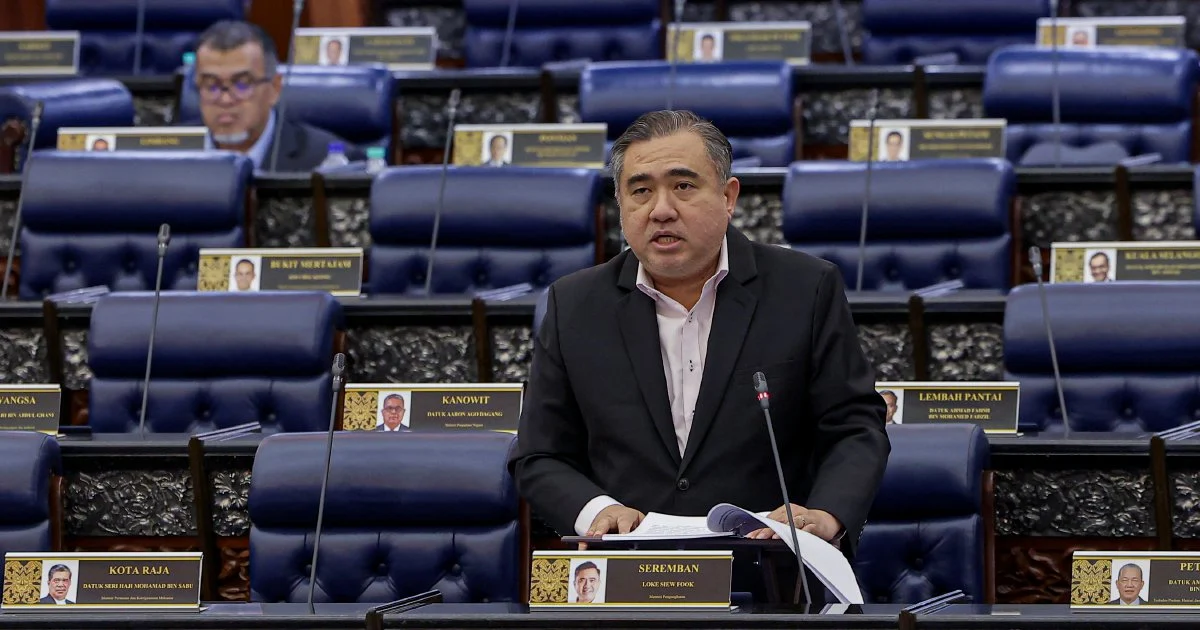
The Road Transport (Amendment) Act 2026 has cleared parliamentary scrutiny, receiving approval from the Dewan Rakyat and marking a significant legislative milestone in Malaysia's ongoing efforts to modernize its transport governance framework. The passage of this amendment represents the first major overhaul to foundational road transport legislation in decades, introducing contemporary enforcement mechanisms designed to address challenges that have accumulated since the original Road Transport Act 1987 was enacted four decades ago. The newly approved amendments expand the toolkit available to regulatory authorities, providing them with strengthened powers to monitor, control, and enforce compliance across Malaysia's rapidly evolving automotive and transportation sector.
The Road Transport Act 1987 has served as the backbone of Malaysia's vehicle regulation system since its inception, establishing the foundational rules governing commercial and private transportation operations nationwide. However, the legislation has struggled to keep pace with technological advancement, changing travel patterns, and emerging challenges such as ride-hailing services, autonomous vehicle development, and increasingly sophisticated traffic management requirements. The amendment addresses these structural gaps by modernizing enforcement mechanisms and expanding the scope of regulatory authority, enabling transport officials to respond more effectively to contemporary issues that the original framers could not have anticipated.
The strengthened regulatory powers granted under this amendment carry particular significance for Malaysia's transportation ecosystem, where congestion, safety compliance, and service quality remain persistent concerns. By equipping authorities with enhanced enforcement capabilities, the legislation seeks to create a more robust system for ensuring that vehicle operators adhere to safety standards, environmental regulations, and service quality benchmarks. This expanded authority extends across multiple stakeholder groups, from commercial fleet operators to individual vehicle owners, potentially affecting how transportation businesses conduct operations and how individual drivers navigate compliance obligations.
From a regional perspective, Malaysia's legislative update reflects a broader Southeast Asian trend toward modernizing transport regulations to accommodate rapid urbanization and technological disruption. Neighboring countries including Singapore, Thailand, and Indonesia have similarly undertaken comprehensive reviews of their transport legislation, recognizing that aging regulatory frameworks create inefficiencies and safety vulnerabilities. The passage of this amendment positions Malaysia within this regional movement toward evidence-based, forward-looking transport policy that acknowledges how dramatically the automotive landscape has transformed since the 1980s.
The enhanced enforcement framework introduces mechanisms that reflect contemporary best practices in transport regulation. These provisions enable authorities to implement more sophisticated monitoring systems, establish clearer compliance standards, and impose more proportionate penalties for violations. The amendment also facilitates inter-agency coordination, allowing different transport, safety, and environmental regulatory bodies to share information and coordinate enforcement activities more effectively. Such improvements address longstanding frustration among compliance officers who have operated under outdated procedural constraints that hampered their ability to respond swiftly to emerging violations or safety concerns.
For the commercial transportation sector—including bus operators, taxi services, freight companies, and ride-sharing platforms—the amendment introduces both opportunities and operational adjustments. Companies must now navigate an expanded regulatory landscape with clearer standards but also potentially more rigorous oversight. The legislation provides authorities with explicit power to establish sector-specific guidelines, conduct more frequent compliance audits, and implement performance-based regulatory approaches that tie operational licenses to demonstrated safety and service records. This shift from prescriptive to performance-based regulation encourages innovation while maintaining safety and quality standards.
The environmental dimension of the amendment cannot be overlooked, particularly as Malaysia pursues its commitment to reducing transportation-related emissions and promoting sustainable mobility solutions. Enhanced regulatory authority enables stricter enforcement of vehicle emission standards, age-based vehicle restrictions, and fuel quality requirements. The legislation empowers authorities to implement congestion-based regulations and vehicle classification systems that incentivize cleaner, more efficient transportation alternatives. These provisions align with Malaysia's broader climate commitments and support the transition toward electric and hybrid vehicle adoption across both commercial and private fleets.
From an urban planning and public safety standpoint, the amendment facilitates more coordinated approaches to managing traffic systems in rapidly expanding metropolitan areas. By consolidating regulatory authority and clarifying enforcement procedures, the legislation enables local authorities to implement integrated transport management strategies that address parking violations, traffic flow optimization, and pedestrian safety more systematically. This coordination proves particularly valuable in congested areas like Kuala Lumpur, Petaling Jaya, and Selangor, where traffic management challenges demand sophisticated, data-driven regulatory responses.
The legislative process leading to parliamentary approval has involved consultations with multiple stakeholder groups, including transport operators, safety advocates, environmental organizations, and public representatives. These consultations shaped the final provisions to balance regulatory effectiveness with practical implementation considerations. The amendment reflects recognition that overly burdensome regulations can drive non-compliance and informal economy activity, while insufficiently rigorous frameworks fail to achieve public safety and environmental objectives. The resulting legislative text attempts to navigate this tension through clearly defined standards and proportionate enforcement mechanisms.
Looking forward, the implementation phase presents critical challenges and opportunities. Regulatory authorities must develop detailed enforcement guidelines, train enforcement personnel to apply new procedures consistently, and establish communication mechanisms to help stakeholders understand compliance requirements. The Ministry of Transport will likely issue implementation directives and procedural guidelines during the coming months, clarifying how various provisions will operate in practice. These implementation details will substantially influence whether the amendment achieves its intended outcomes of improved road safety, enhanced compliance, and more efficient transport operations.
For individual Malaysian drivers and vehicle owners, the amendment may create new compliance obligations alongside potentially more stringent enforcement of existing rules. Vehicle maintenance standards, documentation requirements, and driver conduct expectations may evolve as authorities exercise expanded regulatory authority. Early clarity about these changes through public education campaigns will prove essential for smooth implementation and public acceptance of the strengthened regulatory regime.
The passage of this amendment signals parliamentary commitment to modernizing Malaysia's transport governance framework to address contemporary challenges while maintaining core public safety and environmental objectives. As implementation proceeds over coming months, the true impact of these legislative changes will become apparent through how effectively authorities deploy their expanded powers and how successfully stakeholders adapt to the modified regulatory landscape.

