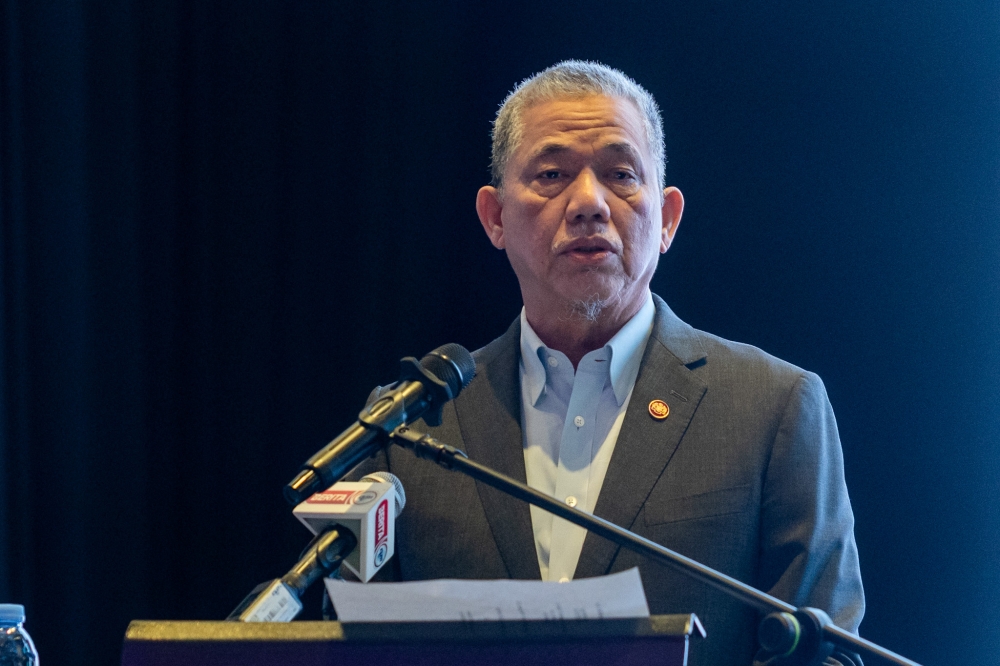
Deputy Prime Minister Datuk Seri Fadillah Yusof is reported to be recovering well following a double heart bypass procedure carried out at the National Heart Institute (IJN) in Kuala Lumpur. The senior cabinet minister, who also holds the Energy Transition and Water Transformation portfolios, underwent the surgical intervention in recent days and remains under close observation at the specialist cardiac centre. Medical authorities at IJN have indicated that the operation proceeded as planned and without complications, with the patient responding positively to treatment in the immediate post-operative period.
The news of Fadillah's hospitalisation comes at a significant moment in Malaysia's political calendar, as the government navigates complex policy implementation across energy and infrastructure sectors. His temporary absence from active duties underscores the unpredictable nature of high-level political transitions, particularly when senior figures require unexpected medical intervention. The Deputy Prime Minister's position carries substantial responsibility for both domestic economic priorities and regional coordination on critical infrastructure matters affecting Malaysia's long-term development trajectory.
Double heart bypass surgery represents a major cardiac intervention designed to restore blood flow to the heart muscle by grafting vessels that circumvent blocked arteries. The procedure, also known as a two-vessel coronary artery bypass graft, requires open-heart surgery and carries inherent risks despite being a well-established treatment protocol. The fact that Fadillah's operation was successful suggests that his medical team identified the blockages with sufficient lead time to plan and execute the intervention before a potential acute cardiac event could occur. Recovery from such procedures typically spans several weeks, during which patients gradually restore their physical capabilities under supervised rehabilitation.
The timing of Fadillah's surgery raises practical questions about Malaysia's governance structure during periods when senior cabinet members require extended medical leave. While the Deputy Prime Minister's specific duties may be distributed among other senior ministers, the absence of key policy leaders can affect decision-making timelines and the momentum of ongoing initiatives. This is particularly relevant given Malaysia's ambitious energy transition agenda, which demands consistent high-level attention to budgeting, regulatory frameworks, and stakeholder coordination with both domestic industries and international partners committed to sustainability targets.
Cardiovascular disease remains among the leading causes of mortality in Malaysia and the broader Southeast Asian region, reflecting lifestyle patterns, dietary factors, and ageing populations across the developing world. The condition affecting a high-ranking government official serves as a reminder that cardiac risk transcends socioeconomic status and administrative rank. Early detection and intervention—as appears to have occurred in Fadillah's case—significantly improve outcomes and enable patients to resume normal functioning after proper rehabilitation, though the recovery timeline varies considerably depending on individual circumstances and post-operative complications.
The National Heart Institute, where Fadillah underwent his procedure, stands as Malaysia's premier cardiac research and treatment facility, equipped with state-of-the-art imaging, surgical, and interventional capabilities. The institute's involvement in treating a senior government figure underscores the confidence placed in the institution's medical expertise. IJN operates as both a public healthcare provider and a training centre for cardiac specialists, contributing substantially to cardiovascular medicine advancement across the Southeast Asian region and maintaining international accreditation standards that attract complex cases requiring specialised intervention.
From a political stability perspective, Fadillah's hospitalisation does not appear to create immediate institutional instability, as Malaysia's administrative systems possess protocols for managing ministerial absences whether medical or otherwise. The Energy Transition and Water Transformation portfolio encompasses critical areas including renewable energy development, grid modernisation, and water security initiatives that require sustained governmental focus. The temporary delegation of these responsibilities to other officials during Fadillah's recovery should not materially disrupt ongoing programmes, though strategic decisions of significant magnitude may await his return to full operational capacity.
The public disclosure of Fadillah's medical situation reflects Malaysia's openness regarding high-level governmental health matters, contrasting with some regional counterparts where such information remains opaque or restricted. Transparency in such circumstances supports democratic accountability and public confidence in institutional continuity. Citizens and investors benefit from clear communication about whether key officials remain active or face extended absences that might affect policy implementation or governmental responsiveness to emerging issues.
Fadillah's recovery trajectory will be monitored closely by both medical staff at IJN and senior government officials coordinating his return to active duties. Post-operative cardiac patients typically experience gradual functional improvement over six to twelve weeks, with most achieving substantial restoration of normal activities within that timeframe if complications do not arise. The specific timeline for Fadillah's return to full ministerial responsibilities will depend on his individual healing progress, the clearance provided by his medical team, and government decisions regarding workload management during the recovery phase.
The incident also highlights the importance of regular cardiovascular health screening among senior government officials who operate under significant professional stress and maintain demanding schedules that may limit attention to preventive healthcare. Early detection of coronary artery disease through screening can enable interventions before acute emergencies occur, potentially extending careers and ensuring continuity of institutional knowledge and policy direction. As Malaysia's government continues managing complex economic and infrastructural challenges, the good health of key decision-makers remains an implicit but important component of effective governance.

