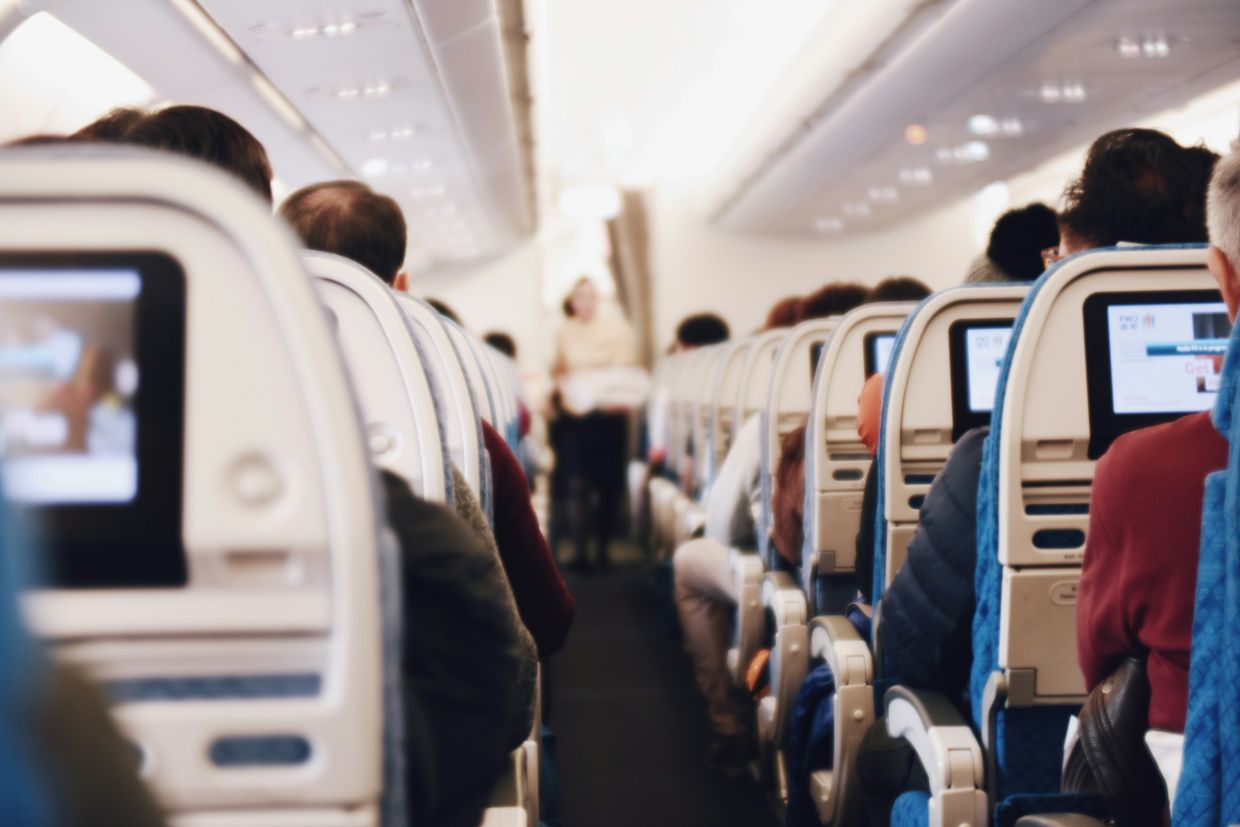
Delta Air Lines is examining an unusual incident involving an unauthorised WiFi network that activated aboard one of its aircraft during a flight from Las Vegas on Monday, August 10. The unexpected network appeared shortly after the conclusion of Def Con, the world's largest hacking and security conference, which took place in the Nevada city over the weekend. Delta spokesperson Morgan Durrant confirmed that the unauthorised WiFi appeared for a brief period before the flight crew switched off the Boeing 757's wireless system for approximately half an hour. Notably, the airline emphasised that no Delta systems were compromised in the incident and that air traffic controllers did not declare any emergency situation.
The airline's investigation is being conducted in collaboration with federal law enforcement agencies and aviation safety regulators. According to Durrant's statement released on August 11, the company is committed to gathering comprehensive information about what occurred, though he cautioned that the process would require time. Delta stressed that the safety of the aircraft and its passengers was never jeopardised, and critically, no aircraft operating systems—which control essential flight functions—were affected by the unauthorised network.
Federal Bureau of Investigation officials in Atlanta confirmed they are aware of reports concerning a potential WiFi-related incident on the flight and are maintaining contact with relevant local and corporate partners. However, FBI representatives declined to disclose additional specifics about their investigation or preliminary findings. The Federal Aviation Administration is also examining the incident, with a spokesperson noting that even a breach of an onboard WiFi system would not compromise the critical safety systems that govern aircraft operations.
Delta Flight 591 had departed Las Vegas bound for Atlanta on the day following the conclusion of Def Con, which positions itself as the premier global conference dedicated to hacking and cybersecurity expertise. Conference organisers stated they had not yet been approached by Delta or law enforcement regarding the incident, though they indicated plans to conduct their own investigation into what occurred. Monika Hathaway, a spokesperson for Def Con, released a statement asserting that the conference does not encourage or tolerate illegal activities. She warned that should any attendee prove responsible for the incident, that individual would face a permanent ban from future Def Con events, and the organisation would offer apologies to those affected.
Cybersecurity experts suggest the incident was likely not a sophisticated operation. Lennart Koopmann, founder of cybersecurity firm Nzyme, explained that disrupting an existing WiFi network and replacing it with a fraudulent access point is a relatively straightforward technical process. Such an attack allows the perpetrator to intercept unencrypted data passing through the network. The two-stage attack can be executed using compact battery-powered devices, some smaller than a cigarette packet, that retail for approximately US$250 (RM1,022). These tools are commonly employed by legitimate security testers and penetration testing professionals to identify vulnerabilities in networks.
Koopmann's assessment suggests the incident may have been an opportunistic attempt by someone aboard the aircraft. He speculated that a passenger might have purchased one of these readily available devices and attempted to demonstrate its capabilities during the flight. The relative ease of executing such an attack, combined with the timing immediately after a major hacking conference, points toward either an experimental security demonstration gone awry or an individual seeking to test the technology they had learned about during Def Con sessions.
The incident highlights vulnerabilities in in-flight WiFi systems and raises questions about the screening of passengers boarding flights in the aftermath of major cybersecurity events. While the devices used in such attacks are technically legal and widely available, their deployment in confined environments like aircraft raises significant concerns. The fact that the attack was detected relatively quickly and remedied without affecting aircraft safety systems demonstrates the effectiveness of existing protections on critical aviation infrastructure.
For Malaysian and Southeast Asian aviation industry observers, the Delta incident underscores the importance of robust cybersecurity protocols across regional airlines. As in-flight connectivity becomes increasingly standard across Asian carriers, the risk of similar incidents grows. Airlines throughout the region should examine whether their WiFi systems and detection mechanisms are sufficiently sophisticated to identify and neutralise unauthorised networks before they pose any operational risk.
The incident also reflects the ongoing tension between security researchers' legitimate testing activities and malicious actors exploiting the same techniques. While professional security testers operate with authorisation and proper safeguards, bad actors can employ identical methods. The distinction between the two becomes critical when such activities occur in high-security environments like commercial aircraft. Def Con's proactive stance in promising to investigate and ban participants involved in illegal activities demonstrates the hacking community's recognition of this responsibility.
Regulatory bodies and airlines worldwide will likely scrutinise this incident carefully to determine whether additional measures are necessary to prevent similar occurrences. The investigation findings could influence how aviation authorities approach cybersecurity policies, particularly regarding in-flight systems and passenger conduct. For travellers and aviation industry professionals across Asia-Pacific, the incident serves as a reminder that cybersecurity threats in aviation extend beyond traditional aircraft systems to include passenger-facing connectivity infrastructure.

