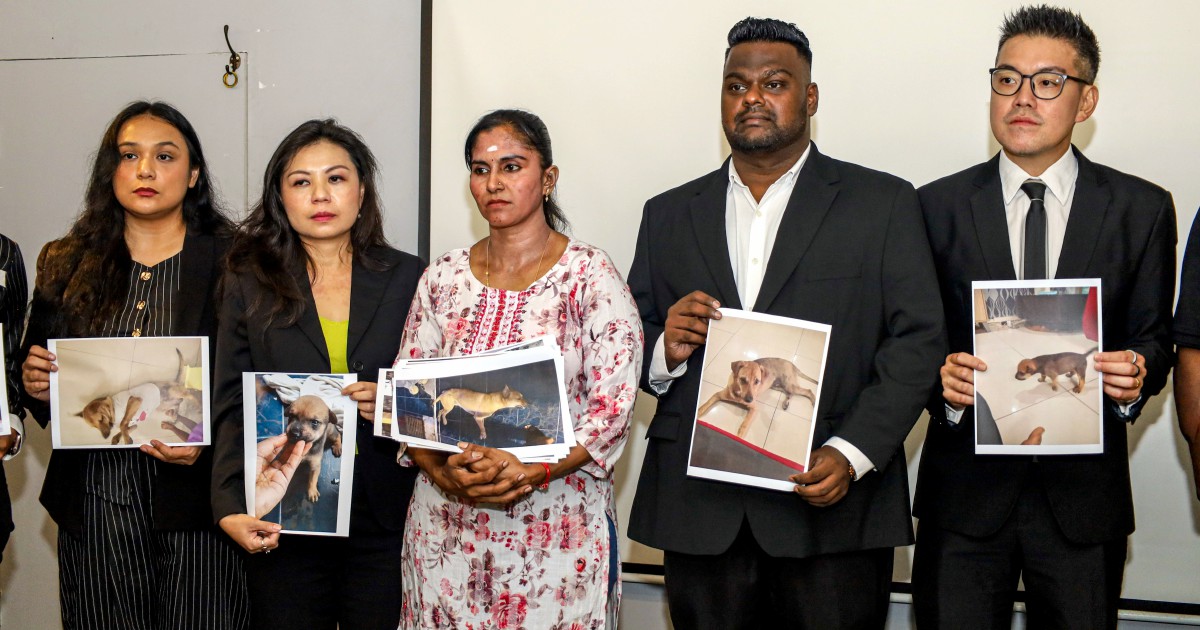
The unexpected death of Rocky, a pet dog in the Taman Teluk Gedung Indah neighbourhood of Port Klang, has ignited serious questions about how local authorities conduct stray dog management operations. According to the owner's account, the incident occurred during what was described as a routine effort to capture stray animals in the residential community. The tragic outcome has now sparked demands for a full and transparent investigation into the circumstances surrounding the animal's death, with the owner emphasising the need for accountability in how such operations are executed.
Pet ownership across Malaysia has grown substantially over the past decade, and incidents involving the mistreatment of animals during municipal operations have become increasingly contentious. Rocky's case highlights a recurring tension in urban management: the legitimate need to control stray animal populations against the imperative to treat domestic animals with care and respect. Residents living in areas where both stray dogs and pets coexist often find themselves caught in this difficult balance, particularly when official procedures result in unintended consequences.
The Taman Teluk Gedung Indah area, located within Port Klang's suburban expanse, is representative of many Malaysian residential developments where pet ownership is common alongside ongoing stray dog problems. The convergence of these two realities means that animal control operations must be executed with considerable precision and sensitivity. When such operations result in the death of a family pet, it raises fundamental questions about training, oversight, and the protocols governing how enforcement personnel interact with animals in residential settings.
Investigations into animal-related incidents at the local government level in Malaysia have historically varied widely in transparency and rigour. The owner's explicit call for an open inquiry suggests a lack of confidence in existing accountability mechanisms. This reflects a broader concern among Malaysian pet owners about whether their interests receive adequate protection when municipal bodies take action in residential areas. The demand for transparency is not merely about establishing what happened in this specific case, but about ensuring that future operations follow defensible procedures.
The standard operating procedures for dog-catching operations in Malaysia typically fall under the purview of local authorities and, in some cases, contracted private service providers. These procedures are meant to balance public health concerns—including rabies prevention and bite incident reduction—with animal welfare considerations. However, the implementation of these procedures on the ground can vary considerably depending on the training, temperament, and oversight of the personnel involved. Rocky's death suggests that in this instance, something went wrong during execution, whether due to inadequate training, insufficient supervision, or a breakdown in procedural compliance.
For Malaysian residents who keep pets, this incident serves as a sobering reminder of the vulnerabilities that arise when official operations move through residential neighbourhoods. Pet owners in areas with stray dog problems face a genuine dilemma: confining their animals indoors limits their quality of life, yet allowing them outdoor access creates risk. The responsibility for managing this tension should not fall entirely on individual households; local authorities must demonstrate that their operations can distinguish between strays and family pets, and that they execute their mandate humanely.
The Port Klang municipal authorities will face considerable pressure to respond comprehensively to these allegations. A credible investigation must address several key questions: whether the personnel involved in the operation received adequate training in animal handling; whether proper identification procedures were followed to distinguish between stray dogs and pets; whether there were witnesses to the incident; and whether the force used during the capture operation complied with established guidelines. Such an investigation should also examine the broader context of how stray dog management is organised and supervised in the district.
Beyond the immediate case, this incident raises systemic questions about animal welfare standards in Malaysia's local government operations. Many municipal councils operate dog-catching services with minimal public oversight, and cases involving animal mistreatment are often resolved quietly without detailed findings being released to the affected community. This opacity breeds mistrust and prevents the kind of organisational learning that could prevent future incidents. Establishing clear, documented procedures and committing to transparent reporting would represent a significant step forward.
The involvement of residents in animal control discussions is increasingly important in Malaysian urban contexts. Community-based approaches to managing stray populations—including vaccination campaigns, neutering programs, and managed feeding stations—have proven effective in other parts of the region and could reduce the frequency of aggressive capture operations. Petaling Jaya and other developed areas have demonstrated growing interest in such alternatives, yet implementation remains patchy and inconsistent across Malaysia's municipal landscape.
For Rocky's owner, the path forward involves navigating municipal bureaucracy to secure answers and, potentially, accountability. The case will likely serve as a catalyst for broader discussions about animal control practices in Port Klang and potentially across Selangor. Whether this incident leads to meaningful procedural improvements or remains an isolated tragedy will depend largely on the willingness of authorities to conduct a genuine investigation and to implement lessons learned.
The broader implication is clear: as Malaysia continues to urbanise and pet ownership expands, local governments must develop animal control systems that satisfy both public health requirements and animal welfare standards. Rocky's death, while tragic for one family, represents a failure of the system to achieve both objectives simultaneously. Addressing this failure transparently could yield benefits that extend far beyond this single case.

