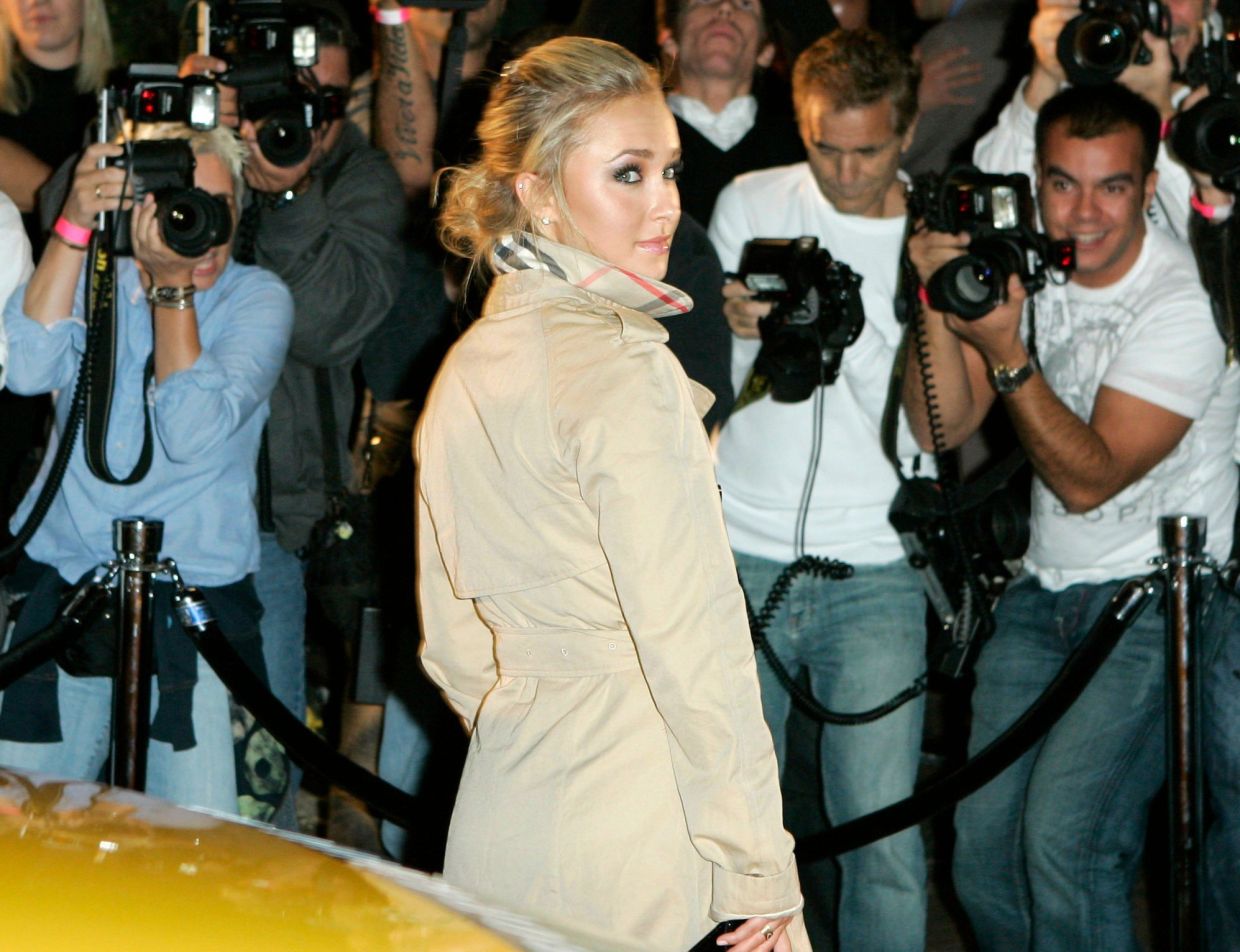
The United States Drug Enforcement Administration has become involved in investigating the death of actress Hayden Panettiere, according to individuals with direct knowledge of the probe. The 36-year-old performer was found in cardiac arrest at an apartment complex in Greenville, South Carolina, on Sunday, with emergency responders unable to restore her heartbeat.
Panettiere had never been shy about discussing her battles with substance abuse and dependency, but her recently published memoir revealed the depth of her personal struggles in unprecedented detail. Released in May of this year, the book contained candid passages about her relationship with drugs and alcohol, including a particularly poignant reflection on the nature of addiction itself. She wrote about how those struggling with substance dependency require immediate relief from their symptoms, describing addiction as a form of denial that temporarily removes pain and discomfort from their lives.
Local law enforcement in Greenville moved quickly to rule out criminal involvement in her death. The Greenville Police Department stated on Monday that preliminary investigations had uncovered no evidence suggesting foul play or suspicious circumstances. However, the agency did not immediately comment when asked about the DEA's participation in the ongoing investigation on Wednesday.
The DEA operates as a federal agency responsible for enforcing American laws governing controlled substances. While the agency is perhaps best known for its work targeting large-scale criminal enterprises such as international drug trafficking organisations trafficking in cocaine, fentanyl, and methamphetamine, it frequently collaborates with local police forces on cases requiring specialised expertise. A prominent recent example involved the DEA assisting the Los Angeles Police Department in determining which substances contributed to the death of actor Matthew Perry.
According to details released in a police report this week, Brian Hickerson, identified as a former boyfriend of Panettiere's, was present at the location when she experienced cardiac arrest. When officers arrived and spoke with Hickerson, he reportedly produced a bag containing various medications that Panettiere had been taking regularly. Specific information about these medications was withheld from the public record.
Beyond substance use, Panettiere had been dealing with severe and chronic physical pain that significantly impacted her daily life. Her hairstylist of three years, Erick Orellana, recalled conversations with the actress about her persistent physical difficulties. Panettiere frequently mentioned problems with her back and mobility, complaining that her injuries made even basic movement and walking extremely challenging. This chronic condition appeared to play a significant role in her overall health struggles during the final years of her life.
In her memoir, Panettiere traced her substance issues back to childhood, recounting how she was first introduced to pills at age sixteen during an industry event by someone associated with her professional team. She suspected the substances were amphetamines but expressed little concern at the time, viewing them as a gateway to pharmaceutical dependency that would plague her for decades. The casual introduction to drugs at such a young age, she reflected, set in motion a long trajectory toward serious addiction problems.
The actress had previously stepped back from her television career to address her mental health. In 2015, she paused filming on the fourth season of her show to enter a treatment facility focused on depression. She later revealed that during her worst periods, she would wake trembling and require an entire bottle of alcohol just to function through each day. At other times, she would turn to opioid medications to suppress cravings for alcohol, creating a cyclical pattern of substance substitution.
Panettiere sought intensive treatment again in 2021, committing herself to an eight-month residential program. Despite these interventions, her physical pain remained a constant challenge. She suffered multiple on-set injuries throughout her acting career, including incidents where she performed her own stunt work. In one particularly serious accident, she was thrown from a zebra while filming a movie, resulting in injuries to her cervical spine that left two vertebrae compressed against her neck.
Just a year before her death, Panettiere disclosed in a media interview that she had experienced a frightening episode of neurological symptoms, waking with tingling and numbness extending from her waist downward throughout her entire body. This mysterious condition persisted for an extended period, leaving her deeply concerned about potential permanent paralysis. Medical professionals she consulted were unable to provide clear explanations for the symptoms or definitive solutions, adding to her anxiety and physical distress during what would be the final year of her life.

