Kuala Lumpur City Hall (DBKL) has rolled out three significant operational improvements aimed at easing the regulatory burden on businesses operating across the capital. The measures, announced on August 11, represent a coordinated push to modernise the city's business facilitation framework whilst maintaining standards for safety, hygiene and public access. The reforms follow recent consultations with trader associations and reflect the local authority's commitment to creating a more predictable and efficient environment for commercial operators seeking to establish or expand operations in the federal territory.
The centrepiece of DBKL's initiative sets the monthly permit fee for tables and chairs on five-foot ways at RM30 per set. This represents a standardised, transparent pricing structure that replaces what traders say were inconsistent or unclear fee regimes previously applied across different districts. Applicants can now lodge their applications at the appropriate DBKL branch office corresponding to their parliamentary constituency, with approval contingent on the location's suitability and the available width of the pedestrian thoroughfare. The authority has emphasised that approval hinges on maintaining unobstructed pedestrian walkways, ensuring wheelchair accessibility and safeguarding access for emergency vehicles—conditions that reflect Malaysia's growing regulatory focus on inclusive urban design and public safety protocols.
The second reform targets minor construction and renovation works that do not alter building structures. Under the revised system, contractors and business owners requiring permits for activities such as tile replacement or ceiling installation need only complete a straightforward form and notify DBKL, rather than navigating more elaborate approval mechanisms. Direct issuance through branch offices corresponding to the applicant's parliamentary constituency has substantially compressed processing timelines for these low-risk interventions. By eliminating redundant procedural steps without sacrificing compliance verification, DBKL has created a tiered permitting framework that allocates supervisory resources more efficiently—a model that other Malaysian municipalities may eventually adopt as they face similar pressures to balance deregulation with quality control.
The third component addresses a persistent pain point for food service operators: the lengthy closure periods mandated after hygiene violations. DBKL has introduced a pathway for premises to seek reopening as early as 24 hours following the completion of remedial cleaning. However, this expedited timeline comes with a critical safeguard: reopening is not automatic. The authority will conduct a formal inspection to verify that all hygiene standards and food safety requirements have been fully satisfied before granting permission to resume operations. This balancing act between speed and rigour reflects ongoing dialogue between the municipality and the restaurant sector, particularly following an April consultation with the Malaysian Muslim Restaurant Owners' Association (PRESMA) to address closure-related grievances.
DBKL has underscored that these reforms apply uniformly across all traders meeting the stipulated criteria, regardless of their ownership background or premises category. This universality is significant in the Malaysian context, where concerns about regulatory equity and potential discrimination occasionally surface in business circles. By enshrining these protections in standardised procedures, DBKL signals an intention to reduce discretionary interpretation and foster institutional consistency across its branch network. The authority has recognised that clear, transparent processes benefit not only traders seeking certainty but also frontline officers tasked with implementation, as standardisation narrows the scope for conflicting interpretations of rules that can delay approvals or create perceptions of unfairness.
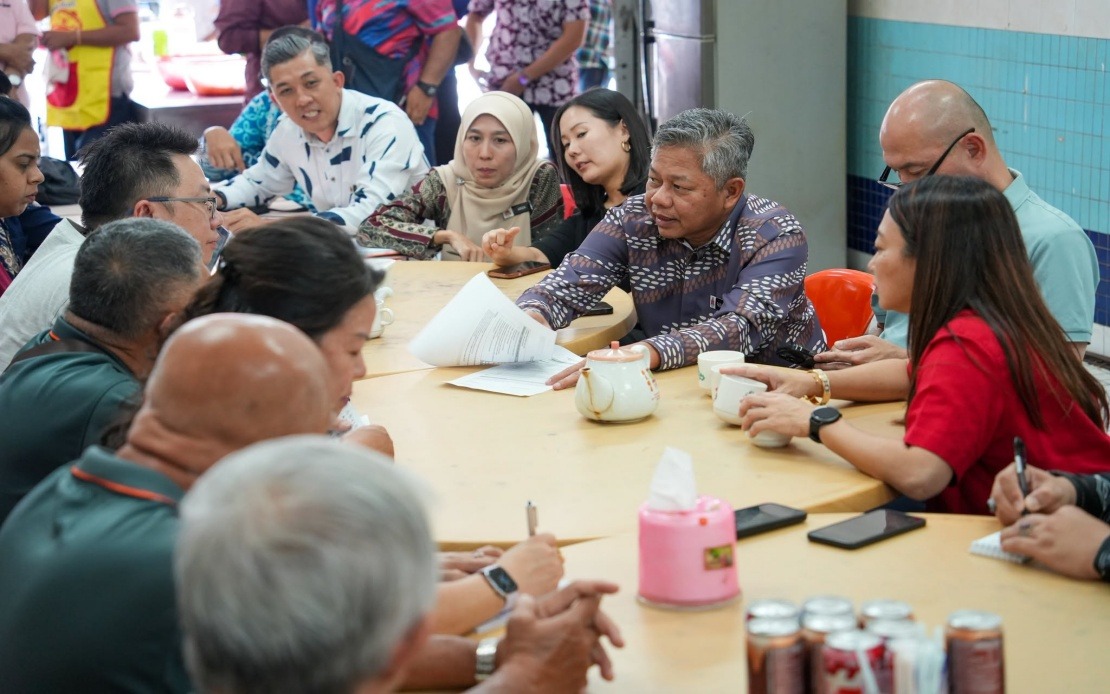
The reforms were preceded by engagement sessions involving Hannah Yeoh, Minister in the Prime Minister's Department (Federal Territories), Kuala Lumpur Mayor Datuk Seri Fadlun Mak Ujud, and representatives of the Selangor and Kuala Lumpur Chinese Coffee Shop and Tea Shops Owners' Association. This collaborative approach reflects the federal government's broader push to strengthen stakeholder engagement in policy formulation, particularly at the municipal level where business concerns intersect with urban management priorities. The involvement of ministerial-level officials signals that these changes carry political backing and are unlikely to be reversed or diluted in the near term—a reassurance that traders often require before adjusting their operational strategies or capital investment decisions.
For the food and beverage sector specifically, the 24-hour reopening provision addresses a longstanding complaint. Closure orders, whilst necessary to protect public health, have historically caused significant financial strain on small and medium enterprises, which may lose revenue for weeks pending reinspection. By establishing a defined timeline and transparent inspection process, DBKL has injected predictability into an area previously characterised by uncertainty. Operators can now plan remediation work with confidence that compliance will lead to swift operational resumption, provided hygiene standards are genuinely met. This flexibility may also reduce the incentive for operators to cut corners during the cleaning and remediation process, since rapid reopening is genuinely attainable without compromise.
The permit fee structure for outdoor seating has long been opaque across Malaysian cities, with rates varying significantly even within the same municipality depending on location, political connections or officer discretion. DBKL's RM30 standardised monthly rate—equivalent to approximately USD 6.40—is notably affordable and transparent, though traders should note that this covers only the permit itself and not ancillary costs such as waste management or public liability insurance that may be required. The location-suitability assessment ensures that the authority retains oversight of urban aesthetics and pedestrian flow, preventing a proliferation of haphazardly placed outdoor furniture that can degrade the streetscape or create accessibility hazards.
These measures should be understood within the broader context of post-pandemic municipal strategy. Having weathered lockdowns and operating restrictions, local authorities across Southeast Asia are prioritising business recovery and regulatory modernisation. DBKL's initiatives reflect this regional trend, positioning Kuala Lumpur competitively against other major cities in the region that are similarly streamlining permits and reducing red tape. The emphasis on standardised processes also aligns with Malaysia's Digital Economy Blueprint and broader governmental digitisation efforts, though DBKL has not yet indicated whether these applications will migrate to fully online platforms—a potential next phase that could further accelerate approvals.
The implementation of these reforms will require careful coordination across DBKL's branch offices to ensure consistent application of the new standards. The authority has acknowledged the importance of this coordination, noting that standardisation and reduced room for interpretation are core objectives. This recognition suggests that DBKL may invest in staff training and monitoring mechanisms to verify compliance across constituencies. Over time, metrics tracking application processing times, approval rates and trader satisfaction will reveal whether the reforms achieve their intended efficiency gains without eroding safety and accessibility standards. For Malaysian traders and other cities watching DBKL's experience, these early results will provide valuable evidence about the feasibility of combining regulatory streamlining with institutional consistency.

