Kuala Lumpur City Hall (DBKL) has launched a formal land acquisition process to address a persistent access issue affecting residents of Taman Datuk Senu in Sentul, where a public road critical to daily community movement sits on privately owned land. The situation came to light after residents took to social media to voice frustration over the recent closure and blockage of the route, which has served as a vital thoroughfare for many years despite the underlying property ownership complication.
Kuala Lumpur Mayor Datuk Seri Fadlun Mak Ujud disclosed that prior investigations revealed no land acquisition had ever been formally executed in the area, creating a legal grey zone where the extensively used public road technically occupied private property. This administrative gap meant that what residents considered an established public access point lacked the necessary legal foundations, leaving the private landowner with grounds to restrict access to their property.
The mayor explained that the city council has been working towards a resolution since February, conducting preliminary discussions with all stakeholders to understand the complexity of the situation and explore feasible pathways forward. Rather than attempting to resolve the matter unilaterally, DBKL recognised the need for formal government intervention and submitted an application to the Department of the Director General of Lands and Mines (JKPTG) for official processing, a requirement mandated by land administration protocols.
The acquisition process follows a structured sequence involving multiple approval stages, each of which must be completed before the next phase can commence. Initially, the relevant authorities must grant formal approval for the acquisition to proceed. Subsequently, the particulars of the acquired land must be published in the official gazette to give notice to interested parties. Finally, compensation must be calculated and paid to the current landowner according to valuations determined by the Valuation Department.
Fadlun indicated that the timeframe for completion depends significantly on how smoothly the bureaucratic process unfolds at the JKPTG level, though DBKL remains committed to accelerating matters wherever possible. Under optimistic conditions—where no objections arise regarding land valuation and all parties cooperate—the entire matter could be resolved within three to four months. However, he cautioned that delays could occur if disputes emerge over compensation amounts or if technical complications arise during gazettement procedures.
The mayor also appealed to the private landowner to exercise patience and allow the legal machinery to function without obstruction. He emphasised the long-standing public use of the road and the significant disruption caused to residents whose daily routines depend on this access route. Such appeals highlight the tension between private property rights and public interest in established access patterns, a common issue in urban Malaysian settings where informal land use arrangements have crystallised over decades.
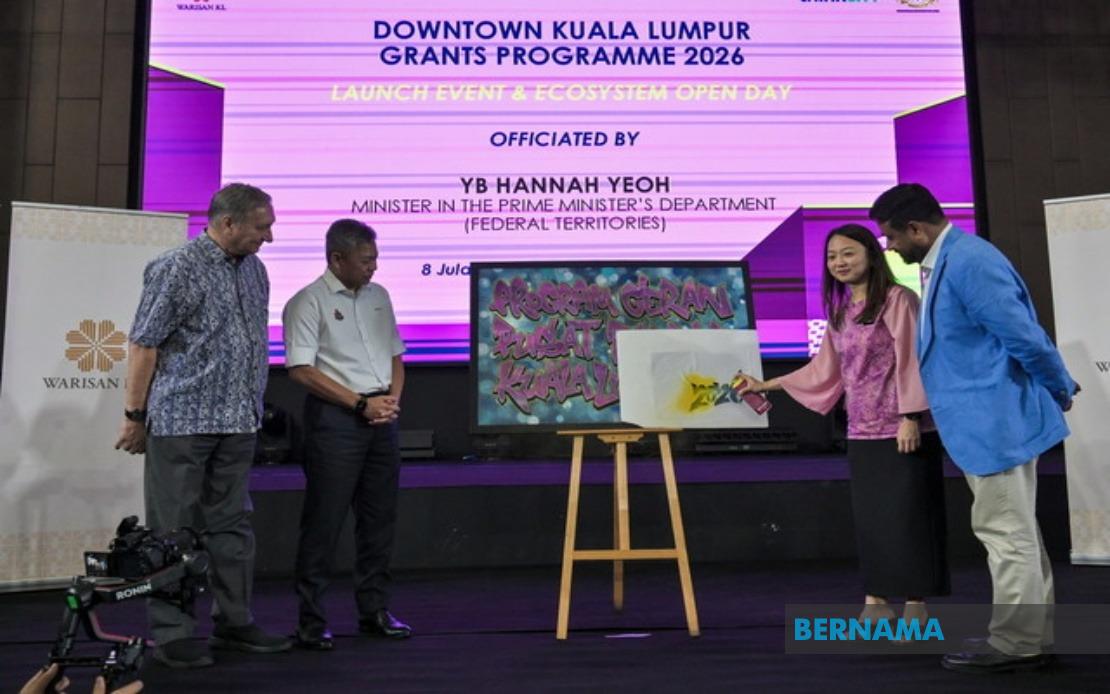
Minister in the Prime Minister's Department (Federal Territories) Hannah Yeoh was present at the announcement, underscoring the federal importance attributed to resolving community access issues in the nation's capital. The presence of the minister alongside the mayor signals coordinated effort between city and national authorities to address what has become a public concern.
The situation illustrates broader challenges in Malaysia's land administration, where historical gaps in formalising property transactions and access rights can create complications when development or access disputes emerge. In urban areas like Kuala Lumpur, where residential communities have evolved around informal arrangements, systematic reviews of land status and public access become increasingly necessary.
For residents of Taman Datuk Senu and nearby areas, the acquisition process represents a pathway to formalising their daily access arrangement, transforming an ad-hoc situation into a legally sanctioned public right. Once acquired by the city council, the road would transition from private property into public infrastructure, providing permanent protection for community movement and enabling proper maintenance and development planning.
The case also demonstrates how social media amplification of local grievances can accelerate government response. The recent viral circulation of resident complaints about the road closure prompted swift administrative action, suggesting that public pressure remains an effective mechanism for compelling local authorities to address previously unresolved community problems.
Looking ahead, the resolution of this particular case may serve as a template for addressing similar situations across Kuala Lumpur and other Malaysian municipalities, where rapid urbanisation and informal settlement patterns have left legal questions about access rights and property boundaries unresolved. Systematic identification and formalisation of such anomalies could prevent future conflicts and enhance urban planning efficiency.

