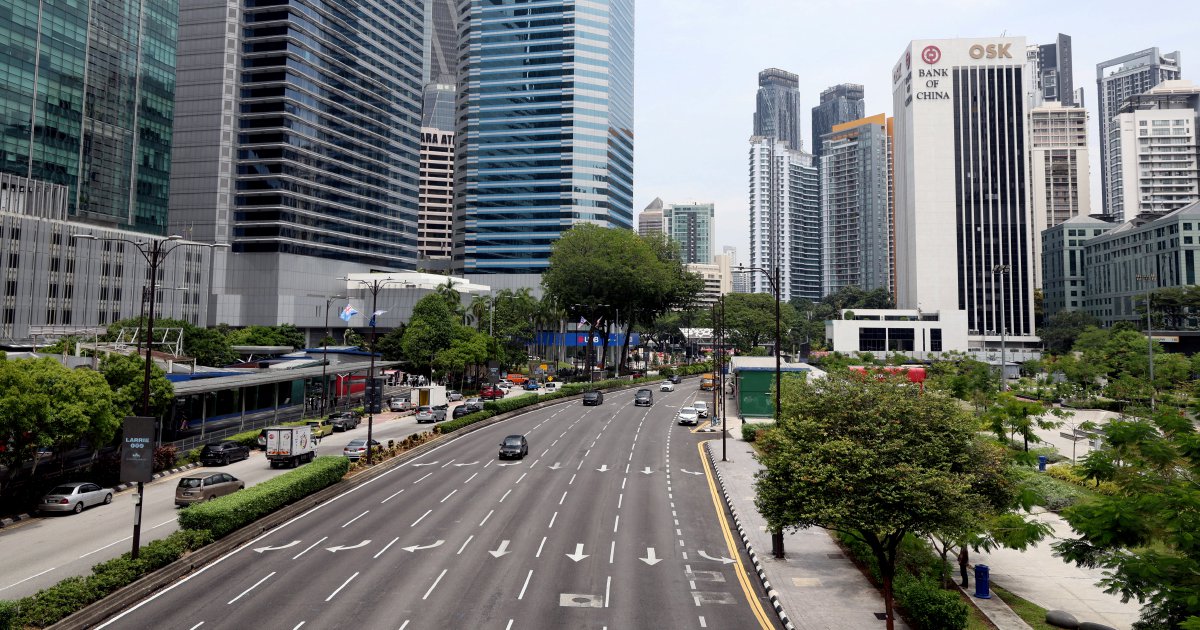
A tragic incident involving a falling tree has prompted Kuala Lumpur City Hall (DBKL) to initiate a comprehensive technical investigation and mobilize inspection teams across the capital. The municipal authority is now systematically examining mature and potentially unstable trees positioned along major roadways, signalling a significant escalation in urban safety protocols for one of Southeast Asia's most densely populated metropolitan areas.
The investigation represents a critical turning point in how Malaysia's capital manages its urban arboriculture, a sector long characterized by periodic failures that occasionally result in public casualties. DBKL's decision to conduct technical assessments suggests the authority is moving beyond reactive responses to tree-related incidents and toward a more proactive framework for identifying and mitigating hazards before they claim lives. The scope of these inspections will likely determine the scale of remedial work required across Kuala Lumpur's extensive road network.
Mature trees along major thoroughfares present a particular challenge for urban planners and municipal administrators. These specimens, often planted decades ago during earlier phases of the city's development, may have weakened root systems, internal decay, or structural vulnerabilities that are not immediately apparent to casual observers. Environmental factors including soil degradation, water stress, and the cumulative effects of urban pollution can significantly compromise tree health over extended periods, creating dangerous situations where catastrophic failure occurs with minimal warning.
The timing of this investigation carries implications beyond Kuala Lumpur itself. Other major Malaysian cities including George Town, Penang; Johor Bahru; Kuching; and Kota Kinabalu will likely monitor DBKL's findings and assessment methodologies closely. Many Malaysian municipalities face similar challenges managing aging tree populations in urban environments where space is constrained and multiple infrastructure systems compete for subsurface real estate. A standardized approach emerging from Kuala Lumpur could establish benchmarks for tree safety management across the nation.
DBKL's technical approach to this investigation presumably involves arboricultural specialists and structural engineers examining factors such as root integrity, trunk soundness, canopy density, and environmental stresses. Advanced diagnostic techniques including resistograph testing, sonic tomography, and visual crown assessment may help identify trees exhibiting structural compromise. The data gathered during these inspections will inform decisions about which trees require urgent removal, which need remedial pruning or support systems, and which remain stable enough to retain.
The financial implications of a comprehensive tree inspection and remediation programme are substantial. Removing large mature trees, disposing of biomass, and planting appropriate replacements incurs considerable expense. However, the costs associated with property damage, personal injuries, and potential fatalities resulting from tree failures vastly outweigh preventive expenditure. Insurance claims, medical expenses, and legal liability from negligent tree management can impose far greater burdens on municipal budgets than systematic maintenance and removal programmes.
Public safety considerations underscore the urgency of this initiative. Kuala Lumpur's residents and visitors traverse major roads daily, parking beneath trees, walking along sidewalks, and standing at traffic intersections positioned directly beneath overhead branches. The consequences of tree failure in densely populated areas are particularly severe, as the concentration of people in proximity to potential hazard zones multiplies risk exposure. Schools, hospitals, government buildings, and commercial establishments positioned along major thoroughfares face heightened vulnerability during storms or periods of deteriorating tree health.
Weather patterns across Malaysia intensify tree-related risks. Monsoon seasons bring heavy rainfall and high winds that can stress weakened specimens beyond their structural capacity. Climate variability and increasingly severe weather events create additional pressures on urban tree populations that may have evolved assumptions about historical precipitation and wind patterns. Trees planted during different climatic epochs may lack resilience to contemporary environmental conditions, requiring adaptive management strategies.
The investigation also prompts broader questions about municipal governance and infrastructure maintenance. Urban trees provide significant environmental and social benefits including air quality improvement, stormwater management, urban cooling, and psychological wellbeing. Balancing these benefits against safety imperatives demands sophisticated decision-making frameworks. DBKL must distinguish between trees that pose manageable risks with appropriate interventions and those requiring removal, while simultaneously considering ecological and aesthetic dimensions of urban forestry.
Community engagement will likely play a crucial role in the success of DBKL's tree management programme. Residents who notice unstable trees, observe signs of disease, or witness structural problems require accessible channels for reporting hazards. Transparent communication about which trees have been assessed as dangerous and the remediation timeline can reduce public anxiety and build confidence in municipal competence. Educational initiatives explaining tree biology and hazard signs may also encourage greater civic participation in urban safety.
The investigation's outcomes will establish precedents for tree management protocols, inspection frequency, and removal criteria across Kuala Lumpur. These standards may subsequently influence how other Malaysian municipalities approach similar challenges. The incident itself, while tragic, provides impetus for systemic improvement that could ultimately prevent future fatalities and injuries across urban centres throughout the region.
Looking forward, DBKL's comprehensive inspection programme should generate detailed databases mapping tree location, species, health status, and risk classification. Digital mapping systems linked to maintenance schedules can enable efficient tracking and timely intervention. Regular re-assessment cycles would capture changes in tree condition and allow proactive management before critical deterioration occurs. Such infrastructure, once established for trees, might also inform broader municipal asset management systems monitoring roads, drainage, utilities, and other public infrastructure.

