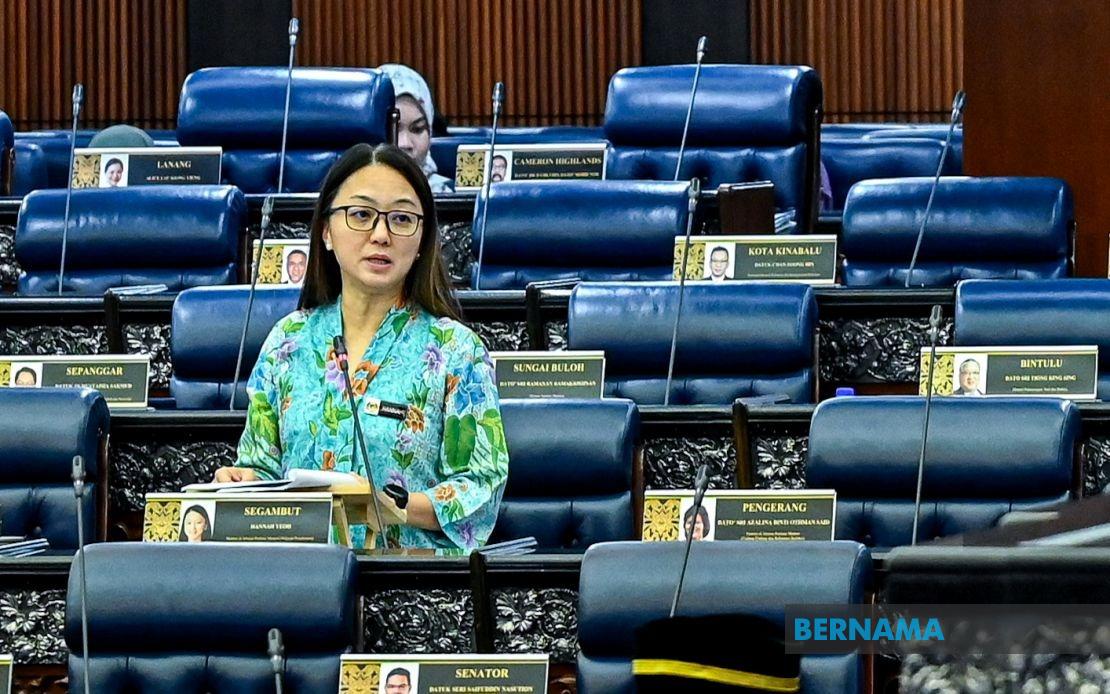
Kuala Lumpur City Hall (DBKL) is undertaking a sweeping administrative overhaul following its embarrassingly low score in the Public Service Corruption Ranking component of the 2025 Local Authority Star Rating System. The city authority managed only 0.08 per cent out of the allocated 5 per cent for this critical assessment, prompting urgent intervention from the Federal Territories ministry. Minister Hannah Yeoh revealed that DBKL has now implemented 16 distinct governance and administrative reform initiatives over a six-month period, signalling the severity with which the federal government views the local authority's institutional failings.
The scale of DBKL's performance gap became apparent following a comprehensive study by the International Islamic University Malaysia (IIUM), which emerged from an engagement session with Members of Parliament representing Kuala Lumpur constituencies on 2 March. That study crystallised four overarching recommendations aimed at fortifying DBKL's administrative structures, governance frameworks, integrity mechanisms, and public service delivery systems. Rather than treating these as optional suggestions, DBKL has treated them as a mandate for systemic change across multiple operational domains.
The first strand of reform addressed specific procedural vulnerabilities flagged by the Malaysian Anti-Corruption Commission (MACC). These weaknesses spanned five distinct administrative functions that had previously operated without adequate oversight. The radio studio broadcast content production project had lacked proper management controls, while the allocation of Ramadan Bazaar sites—a high-visibility function with significant community interest—suffered from governance gaps. Similarly, contract management for business licensing services, oversight of the Malaysian Statutory Bodies Association Sports Championship, and collection of rental payments for public and people's housing schemes all required tightening of internal procedures and enhanced documentation.
Central to the reform architecture has been the abolition of the Special One Stop Centre (OSC) Committee. This move reflects a deliberate strategy to create institutional separation and prevent political interference in development approval processes. The decision carries particular weight given that OSCs serve as critical conduits between developers, citizens, and government, making them vulnerable to inappropriate pressure or preferential treatment. By dismantling this committee, DBKL has signalled its commitment to depoliticising development decisions and grounding approvals in professional assessment rather than external influence.
Transparency and legislative oversight have been strengthened through a major change to the OSC 3.0 Plus Portal system. All Federal Territory MPs now possess access to this platform, enabling them to review development applications and formally lodge their perspectives before the mayor issues approval. This mechanism creates an additional layer of scrutiny and gives elected representatives meaningful visibility into development decision-making at the local authority level. Such measures are particularly significant in Malaysia's context, where local government accountability traditionally lacked direct legislative oversight.
Financial controls have tightened considerably through a newly implemented cap on mayoral authority. Contributions up to RM3,000 can now be approved at the discretion level, but any request exceeding this threshold must proceed through the Top Management Committee for collective deliberation. This guardrail prevents individual officers from accumulating excessive discretionary power over municipal resources and introduces mandatory consultation for material financial commitments. For a city authority managing hundreds of millions in annual expenditure, even modest spending caps create meaningful constraints on unilateral decision-making.
The institutional architecture supporting governance has been substantially reinforced through the establishment of three new oversight bodies. An Audit Committee now operates independently of mayoral chairmanship, removing a structural conflict of interest inherent in permitting the chief executive to oversee audits of his own operations. A Governance and Integrity Committee provides dedicated focus on institutional ethics and compliance frameworks, while a Mayor's Contributions Committee ensures financial generosity flows through appropriate channels with proper documentation. Collectively, these committees embed checks and balances into DBKL's decision-making apparatus.
Personnel management reforms underscore the recognition that individual conduct shapes institutional culture. Job rotation for officers occupying sensitive positions—a standard anti-corruption practice in developed jurisdictions but less common in Malaysian municipal governance—will disrupt the formation of entrenched networks and reduce opportunities for individuals to cultivate captured relationships with private interests. Meanwhile, body-worn cameras will be rolled out in phases beginning in the fourth quarter of this year, introducing technological accountability measures for enforcement officers and reducing scope for discretionary action.
Digitalisation features prominently in DBKL's transformation strategy. As of July, the authority has deployed 170 online application services, with an ambitious target of 180 end-to-end digital services by year's end and full online processing across all applications by 2030. This technological pathway serves multiple purposes simultaneously: it reduces opportunities for informal payments or favour-seeking, creates permanent digital audit trails of all transactions, accelerates service delivery timelines, and dramatically reduces administrative friction for citizens and businesses. The e-Lesen electronic licensing system exemplifies this approach, eliminating the need for physical intermediaries who previously occupied gatekeeping roles in the licensing process.
The integration of the e-Lesen system with the Departmental Enforcement System (SPJ) creates an interconnected ecosystem where licensing records directly feed enforcement operations, reducing inconsistencies and gaps. A revised licensing renewal policy implemented on 1 July extends validity periods to three years, streamlining compliance burdens for business operators while simultaneously reducing administrative touchpoints where informal pressures might previously have emerged. Such measures demonstrate that anti-corruption reform need not burden legitimate commerce; indeed, simplified and transparent systems often serve business interests while simultaneously degrading opportunities for misconduct.
These reforms collectively reflect a deliberate reorientation of DBKL's institutional culture from individual-centred decision-making to systems-based governance grounded in collective responsibility and integrity. The shift represents more than administrative shuffling; it constitutes a philosophical repositioning that elevates institutional processes and collective oversight above executive discretion. For Malaysian readers observing local governance, DBKL's trajectory illustrates both the persistence of integrity challenges in municipal administration and the potential for meaningful institutional reform when political will aligns with technical expertise. Whether these measures sufficiently address the deep-rooted procedural and cultural issues that generated such a poor anti-corruption score will become evident through sustained implementation and measurable improvements in the next Local Authority Star Rating assessment.

