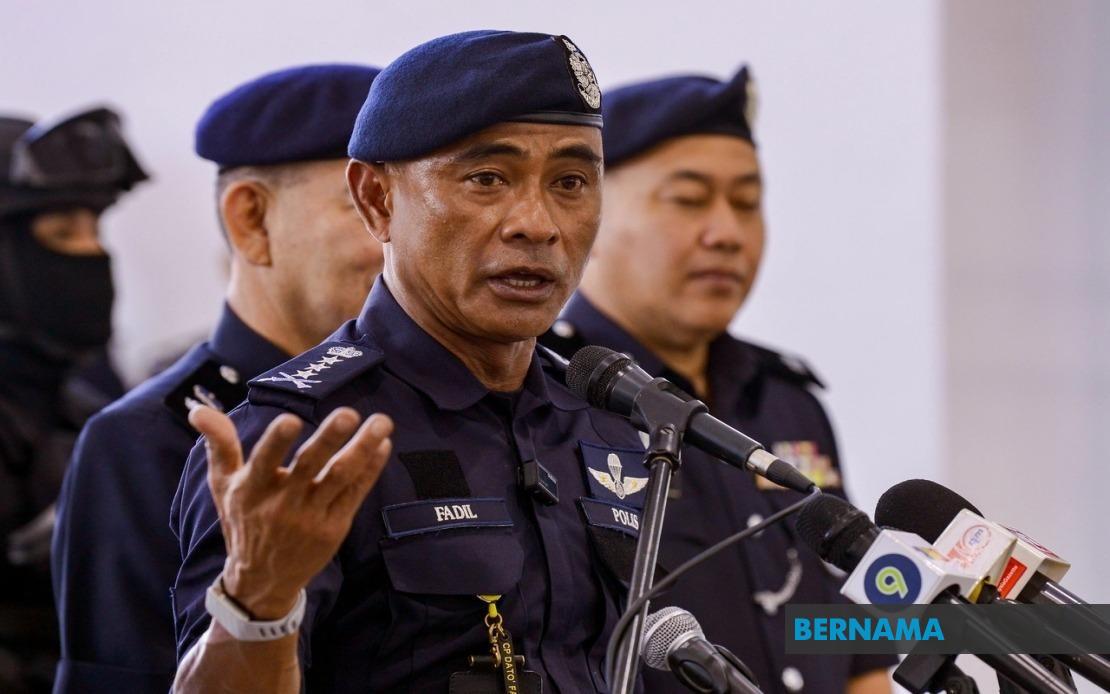
Malaysia's capital is preparing to unite thousands of football fans for a historic moment when the FIFA World Cup 2026 final gets beamed onto a giant screen at Dataran Merdeka in the early hours of Monday morning. The screening forms a centrepiece attraction of the "Unity Merdeka" programme, an ambitious community initiative launched by the Kuala Lumpur police in partnership with 16 government ministries and spanning the entire week leading up to the final.
Kuala Lumpur police chief Datuk Fadil Marsus outlined the scale of the planned event, disclosing that organisers are targeting a crowd of up to 300,000 spectators gathered at the symbolic heart of Malaysia's capital for the simultaneous viewing experience. The ambition extends beyond merely staging the broadcast—police hope the turnout will set a new record in the Malaysia Book of Records, cementing the occasion as a defining moment of public assembly and national engagement. Activities will commence at 8 pm on Sunday, building momentum toward the midnight conclusion of the tournament's championship match.
The overarching philosophy animating the Unity Merdeka programme reflects a deliberate effort to leverage major sporting events as opportunities for strengthening social cohesion across Malaysia's diverse population. By emphasising themes of unity, wellness, and shared celebration, the initiative seeks to transcend traditional boundaries and foster genuine connection between communities that often experience limited regular interaction. The programme operates under the banner "Diversity United, Wellbeing Preserved," explicitly acknowledging that Malaysia's strength emerges from embracing rather than diminishing its multicultural character.
The momentum for the broader initiative has already begun building through a series of introductory events. A Fun Run Unity Merdeka event held at Dataran Merdeka earlier attracted approximately 2,000 participants covering a five-kilometre course, establishing a collaborative relationship between the police force and residents of the capital. The deputy police chief, DCP Datuk Mohd Azani Omar, participated alongside 16 members of the Crime Journalists Association, signalling institutional commitment to the community engagement objectives underlying the entire programme.
Beyond the World Cup final screening, the Unity Merdeka programme encompasses a deliberately expansive array of activities designed to appeal across age groups and community segments. The organisers have curated offerings spanning welfare initiatives, artistic exhibitions, educational components, religious programming, family-oriented entertainment, and pure spectacle. This comprehensive approach recognises that maintaining public engagement requires addressing diverse interests and preferences rather than relying on a single attraction.
The programme will feature interactive booths and exhibitions staffed by various security and government agencies, providing civilians with opportunities for direct engagement and information-gathering. The Royal Malaysia Police, Malaysian Armed Forces, Fire and Rescue Department, and Ministry of Health will all maintain presence at the event, allowing visitors to learn about government services while humanising the institutions that comprise the state apparatus. Such interaction proves particularly valuable in building trust between citizens and authorities, a prerequisite for effective community policing and public health emergency response.
For Malaysian football enthusiasts, the World Cup final screening offers an unprecedented opportunity to experience the tournament's climactic moment in a communal setting rather than in isolation at home or in commercial venues. The scale of the event transforms what might otherwise be a private recreational activity into a collective national experience, allowing Malaysians from different backgrounds and social positions to inhabit shared emotional territory. The prospect of witnessing millions of dollars' worth of global sporting talent and drama displayed on a monumental screen in the country's symbolic civic centre carries profound psychological and social significance.
The timing of the World Cup 2026 final in the early hours of Monday morning reflects the tournament's location in North America, where scheduling accommodates viewing patterns in the Western Hemisphere. For Malaysian audiences, this necessitates sacrifice of sleep and disruption of normal working routines, yet the willingness of the police and government to facilitate this accommodation suggests recognition that sports events can serve national unification objectives that justify organisational and infrastructural investment. The decision to proceed with the screening despite logistical challenges indicates that Malaysian authorities view the World Cup final as something more than entertainment—as a potential catalyst for national bonding.
The selection of Dataran Merdeka as the venue carries additional symbolic weight, given the site's historical prominence as the location where Malaysia's independence was declared. Hosting a global sporting event there reinforces continuity between Malaysia's founding narratives and its contemporary aspirations, suggesting that national development encompasses not merely economic or political dimensions but also cultural and social integration. The square becomes a stage where the nation performs its own values and commitments to the world and to itself.
Successfully managing a crowd of 300,000 people in the early morning hours will require substantial police and municipal resources, including crowd control infrastructure, emergency medical services, security personnel, and sanitation facilities. The logistics involved in such an undertaking rival those of major festivals or state ceremonies, representing a significant allocation of public resources toward recreational and community purposes. This investment reflects a philosophy that governmental action should extend beyond security and service provision to include fostering occasions for collective experience and celebration.
The World Cup final screening initiative arrives at a moment when global sporting events increasingly serve functions beyond pure athletic competition, becoming platforms for nations to demonstrate organisational capacity, social cohesion, and cultural confidence. For Malaysia, a country seeking enhanced regional standing and international visibility, hosting a successful massive public gathering around world football carries implications extending well beyond the ninety minutes of play. The event constitutes a statement about Malaysian governance, civic participation, and national identity.

