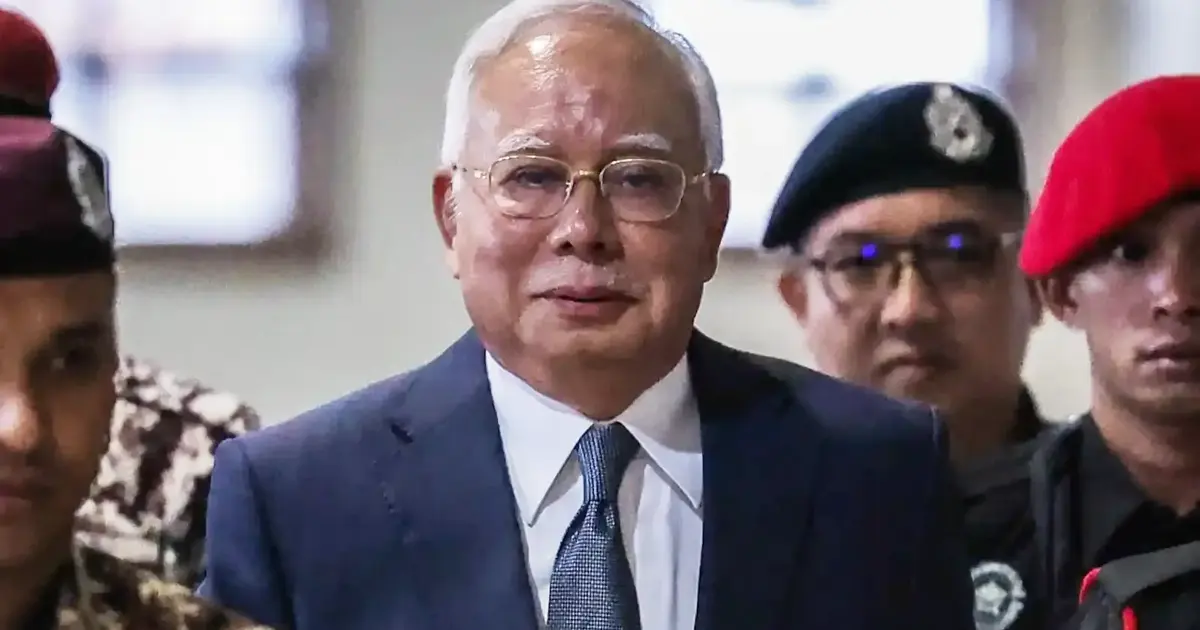
The question of what the Malaysian Chinese Association actually thinks about freeing former Prime Minister Najib Razak has become unexpectedly contentious, with a prominent DAP politician now demanding the party spell out its position as Umno figures ramp up pressure for a full pardon. Ong Hui Xue, raising the matter in Parliament, has essentially forced the issue into the open at a moment when Malaysia's coalition dynamics remain delicately balanced and the fate of the ex-leader continues to provoke strong reactions across the political spectrum.
Najib's imprisonment and conviction for financial crimes have remained a lightning rod since his fall from power in 2018. Despite being legally convicted and serving a sentence, persistent efforts from within Umno have sought to secure his release through executive clemency. These campaigns have accelerated in recent months, with senior party figures openly advocating for what they frame as justice for a former leader they believe has been treated unfairly. The intensity of these calls raises an obvious question: where do MCA and other coalition partners actually stand on the matter?
Ong's intervention suggests that the DAP, as the largest party in the coalition government, is uncomfortable with ambiguity on such a politically sensitive issue. By publicly questioning MCA's stance, the DAP is signalling that it expects clarity from its ostensible partners on fundamental questions of rule of law and accountability. This reflects a broader tension within Malaysia's ruling coalition between those who prioritize legal consistency and those who see political considerations as paramount.
MCA's historical position has traditionally favoured institutional stability and respect for the judiciary, principles that would ordinarily suggest discomfort with attempts to overturn legal outcomes through executive intervention. However, the party also faces internal pressure from members and allies within Umno who argue that a pardon represents compassion and political pragmatism. Navigating between these positions without making an explicit statement has allowed MCA to maintain a degree of deniability, but Ong's direct challenge makes continued silence more difficult.
The broader implications for Malaysian governance are substantial. When coalition partners avoid taking clear positions on issues involving rule of law, it undermines confidence in institutions and suggests that political expediency might override legal principle. For a country still rebuilding trust in its judiciary and fighting perceptions of selective justice, such ambiguity is corrosive. Malaysian voters across all communities have expressed concern about whether laws apply equally to all citizens, regardless of political connections.
Umno's persistent efforts to secure Najib's freedom also reveal fissures within the party itself. While some leaders argue that rehabilitation and mercy are appropriate, others worry that a pardon would damage the party's reform credentials and invite accusations of hypocrisy given Umno's own anti-corruption messaging. The fact that Najib remains popular among significant sections of Umno's base complicates these internal debates, with leaders balancing loyalty to a former colleague against broader party interests.
The DAP's decision to escalate this question in Parliament reflects its role as a major stabilizing force in the coalition government. By pushing MCA to declare its position, the DAP is essentially defending the principle that coalition partners cannot indefinitely postpone taking stances on matters of constitutional and legal importance. This approach protects the DAP from accusations that it is complicit in or indifferent to potential undermining of judicial outcomes.
For ordinary Malaysians, particularly those from minority communities, questions about whether the justice system applies fairly regardless of political standing remain emotionally resonant. Many continue to view Najib's case as emblematic of accountability or its absence. How political parties respond to pardon campaigns therefore carries symbolic weight beyond the individual case. A clear, principled position from coalition parties would reassure citizens that institutional integrity matters; evasion would suggest the opposite.
The timing of Ong's challenge is also significant. It comes at a moment when Malaysia is reassessing its political direction following elections and coalition negotiations. Establishing clear expectations around what partners will and will not support helps crystallize the ruling coalition's actual character and values. Vagueness at this juncture only invites future disputes and undermines the coherence of government messaging.
MCA's response to Ong's challenge will thus carry weight well beyond the immediate question of Najib. It will indicate whether the party views itself as committed to strengthening institutions and upholding legal consistency, or whether political survival and factional loyalty take priority. For a country navigating complex questions about accountability, institutional reform, and political trust, the answer matters considerably. The pressure now squarely rests on MCA to speak plainly about principles that should transcend partisan calculation.

