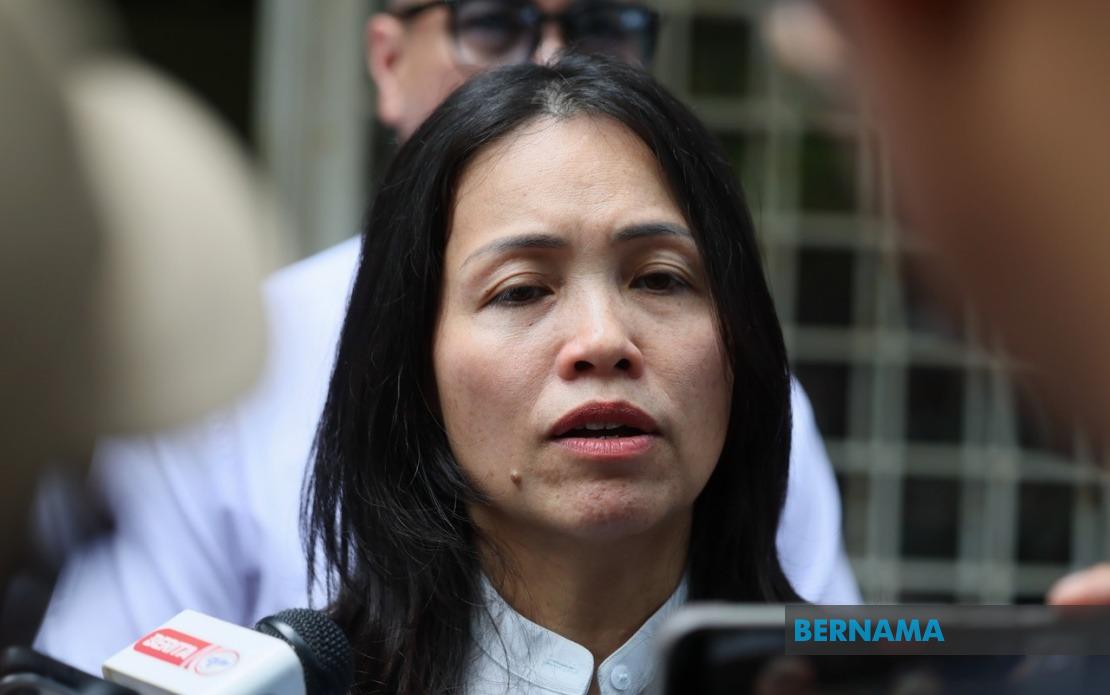
The Democratic Action Party has raised alarm over a coordinated disinformation effort aimed at undermining its electoral prospects in the upcoming Johor state election, with party leadership condemning the deliberate manipulation of campaign materials designed to sow discord among voters. Johor DAP chairman Teo Nie Ching, who also serves as Deputy Communications Minister, disclosed that opposition actors have been altering party posters to falsely depict potential DAP candidates as Muslim women wearing headscarves improperly, a tactic she characterised as both inflammatory and deeply disrespectful to religious sensibilities.
The strategy behind these doctored images appears calculated to exploit existing tensions and misconceptions within Malaysia's multi-ethnic electorate. By portraying DAP candidates in ways that contradict their actual religious identities, the perpetrators aim to weaponise religious identity politics against the party's non-Malay voter base, particularly the Chinese community, which has historically formed the backbone of DAP's support. Teo's characterisation of these actions as "dirty tactics" reflects the frustration within party ranks at what they view as a deliberate attempt to fracture the coalition's appeal through fear-mongering and identity-based manipulation.
What makes this campaign particularly significant is its reflection of broader anxieties around religious and communal identity in Malaysian politics. The deliberate misrepresentation of candidates' religious identities signals a willingness among certain political actors to blur the lines between legitimate policy debate and inflammatory identity politics. By invoking religious imagery without the consent or accuracy of those depicted, the campaign crosses a threshold that many observers consider fundamentally corrosive to civil discourse and democratic norms.
Teo's response emphasised DAP's principled position on religious matters, asserting that the party respects all faiths and recognises that religious symbols, particularly the headscarf in Islamic tradition, deserve reverence rather than trivialisation for political gain. This statement carries particular weight given DAP's long-standing commitment to secular governance and its track record of defending minority religious rights across Malaysia's diverse landscape. The party leadership's swift public response demonstrates an attempt to reclaim narrative control and prevent the doctored images from gaining traction among undecided voters.
The broader context of this controversy involves structural changes in Johor's political landscape following the dissolution of the State Legislative Assembly on June 1. The election commission has scheduled nomination day for June 27 and polling day for July 11, compressing the campaign period and potentially intensifying the pressure on all parties to resort to more aggressive tactics. The timing of these smear campaigns during the condensed campaign window suggests that whoever orchestrated them is aware of their effectiveness in shaping voter perception during periods of heightened political activity.
Johor's electoral composition presents a complex challenge for all contenders. The state's 56 seats were previously distributed among Barisan Nasional with 40 seats, Pakatan Harapan holding 12, Perikatan Nasional with three, and MUDA retaining one. This fragmentation means that the election outcome will likely hinge on relatively narrow margins and the ability of each coalition to consolidate support among their core constituencies while simultaneously appealing to swing voters. In such a context, negative campaigning rooted in identity politics carries outsized influence on the final result.
For Pakatan Harapan and DAP specifically, countering these narratives presents a dual challenge. The party must simultaneously delegitimise the smear campaign while addressing substantive concerns among voters about governance, economic management, and development priorities. Teo's appeal to voters of all races to reject divisive tactics represents an attempt to elevate the conversation beyond the immediate controversy, positioning PH as the coalition committed to harmony and inclusive politics. However, the effectiveness of this messaging will depend on whether mainstream media coverage provides sufficient oxygen to the party's counter-narrative.
The incident also highlights the vulnerability of campaign infrastructure to digital manipulation and rapid dissemination through social media channels. In contemporary Malaysian politics, the speed at which false or doctored materials can spread through WhatsApp groups, Facebook pages, and TikTok has become a significant concern for electoral integrity. The decentralised nature of these platforms makes it difficult for fact-checking and counter-messaging to keep pace with the initial spread of misinformation, creating an asymmetric information environment that disadvantages parties seeking to address false claims.
For Malaysian voters broadly, this controversy serves as a timely reminder of the importance of critical media literacy and scepticism towards campaign materials that appeal primarily to fear or identity-based anxieties. The deliberate misrepresentation of individuals' religious identities crosses boundaries that transcend partisan politics, raising questions about the standards of conduct that voters should demand from all participating parties regardless of ideological orientation. Teo's framing of the issue as one that affects not only DAP but democratic principles more generally attempts to build a broader coalition of concerned citizens beyond the party's traditional base.
Looking forward to July 11, the Johor state election will serve as a crucial test of voters' responses to identity-driven campaign strategies in the post-pandemic Malaysian political environment. The contest between competing visions of governance—whether emphasising inclusive multiculturalism or identity-based majoritarian politics—will likely determine not only Johor's political trajectory but also signal broader trends for federal politics heading toward the next general election. The outcome may well vindicate or refute the effectiveness of negative identity-based campaigning as a durable electoral strategy in increasingly polarised Malaysia.