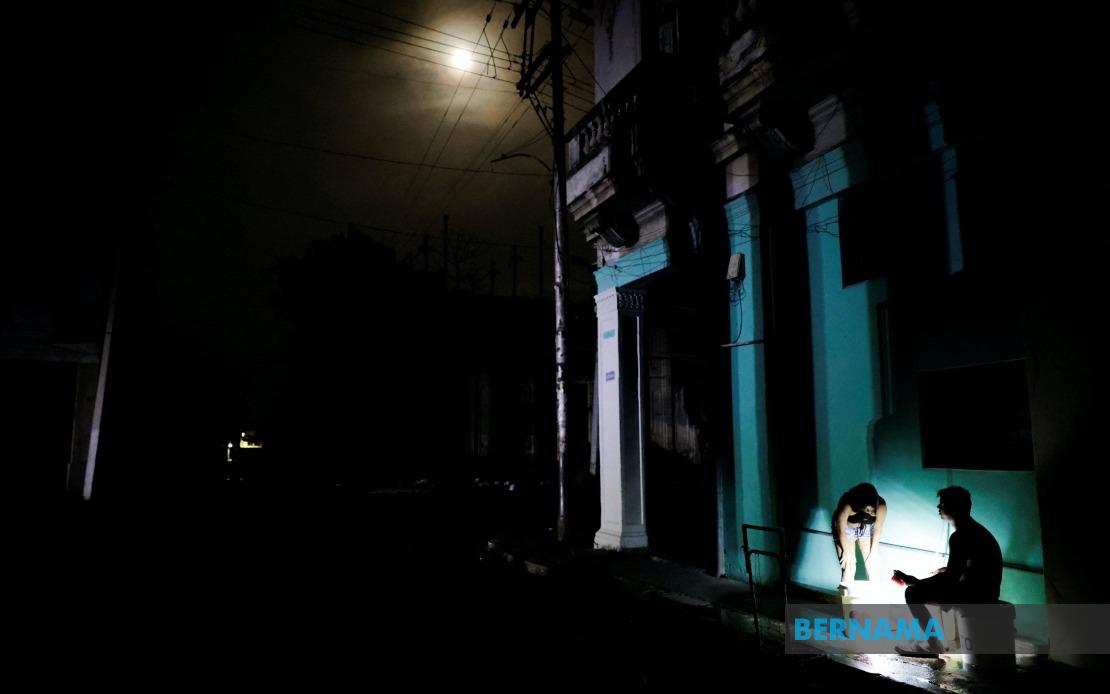
Cuba's electrical system has again succumbed to complete failure, plunging the Caribbean nation into darkness for the latest in a series of increasingly frequent blackouts that have become emblematic of the island's deepening infrastructure crisis. The state-owned electricity utility confirmed that the national grid had suffered a total collapse, resulting in a countrywide power outage that disrupted the lives of millions of Cubans on Sunday. Officials did not elaborate on the specific circumstances that triggered the failure, leaving questions about whether the collapse stemmed from worn-out equipment, insufficient fuel supplies, or a combination of systemic problems now endemic to the ageing power system.
The timing of this latest outage carries particular significance within the broader pattern of recent blackouts. This represents the first failure recorded in August, yet it follows an alarming series of three separate nationwide outages that occurred throughout July, suggesting the situation is not stabilising but rather deteriorating in intensity and frequency. The escalating cycle of power failures underscores how Cuba's electrical infrastructure has become increasingly fragile, with the grid now vulnerable to cascading collapses that can strike with minimal warning and affect the entire nation simultaneously.
For ordinary Cubans, these rolling blackouts have fundamentally altered how people organise their daily existence. Residents have adapted their behaviour to the unpredictability of electricity supply, using power whenever it becomes available rather than according to their actual needs. This has created a peculiar form of existence where cooking meals, washing clothes, accessing the internet, and attempting to maintain tolerable indoor temperatures during sweltering summer months must all be squeezed into unpredictable windows of availability. The uncertainty surrounding how long power will remain accessible forces constant vigilance and strategic decision-making about which essential activities to prioritise during each available period.
Recognising the urgency of the situation, the Cuban government has begun implementing a series of economic reforms designed to address the energy crisis while simultaneously stimulating broader economic activity. Prime Minister Manuel Marrero Cruz announced in July that the authorities had taken the unprecedented step of approving Cuba's inaugural foreign investment venture specifically focused on fuel importation and retail sales. This represents a notable departure from past policy, signalling the government's recognition that domestic resources alone cannot resolve the energy shortfall and that foreign capital and expertise have become indispensable.
The fuel distribution sector has also witnessed significant expansion through government authorisation. Nearly 200 private businesses have received approval to operate in wholesale fuel distribution, effectively breaking what had been a state monopoly in this critical sector. This represents a substantial opening of the economy to private enterprise, reflecting how severe the energy crisis has become and the willingness of policymakers to embrace market mechanisms they might previously have resisted on ideological grounds.
Beyond energy specifically, the government has extended reform measures into other economically significant sectors. Lawmakers have approved measures permitting private investment in tourism, one of Cuba's most important foreign currency earners. These reforms collectively signal a shift toward greater economic liberalisation, though officials have consistently emphasised that meaningful improvements will materialise only gradually and require substantial time before producing tangible results for ordinary citizens.
Prime Minister Marrero's own characterisation of the reform process reflects official acknowledgement of the challenges ahead. His statement that authorities were entering "the most important, and perhaps the most difficult, stage" underscores that the initial policy decisions represent merely the beginning of a longer transformation process. The government has explicitly conceded that these reforms will be incremental in nature, indicating realistic expectations that immediate relief from the current energy crisis should not be anticipated.
For Southeast Asian observers, Cuba's energy travails offer instructive lessons about the critical importance of maintaining and upgrading power infrastructure before it reaches crisis point. Malaysia's own electricity system, though generally more robust, serves as a reminder that consistent investment in generation capacity, transmission infrastructure, and grid modernisation remains essential to prevent similar breakdowns. The Cuban experience demonstrates how quickly an energy system can deteriorate when maintenance is deferred and investment proves inadequate relative to demand.
The Cuban situation also illustrates the political ramifications of extended infrastructure failures. When governments cannot guarantee basic services like electricity, public frustration inevitably accumulates, potentially undermining confidence in state institutions regardless of the underlying causes. Cuba's decision to embrace foreign investment and private enterprise in traditionally state-controlled sectors reflects desperation born from the recognition that continued isolation and reliance on domestic resources alone has become untenable.
International observers watching Cuba's energy crisis unfold recognise broader patterns at play. The island nation's particular circumstances stem from decades of economic isolation, underinvestment in infrastructure, and limited access to global energy markets. However, the fundamental challenge of maintaining adequate electricity supply in the face of ageing infrastructure and growing demand resonates globally, making Cuba's struggles relevant across the developing world where similar pressures exist.
Looking forward, Cuba's trajectory will depend substantially on whether the newly approved foreign investment ventures can mobilise sufficient capital and resources to meaningfully increase fuel supply and improve grid reliability. The success of these initiatives will signal whether the government's partial embrace of market mechanisms can generate real improvements or whether deeper structural reforms remain necessary. Meanwhile, ordinary Cubans continue enduring profound disruptions to their daily routines, waiting for government policies to translate into restored and reliable electricity supply.

