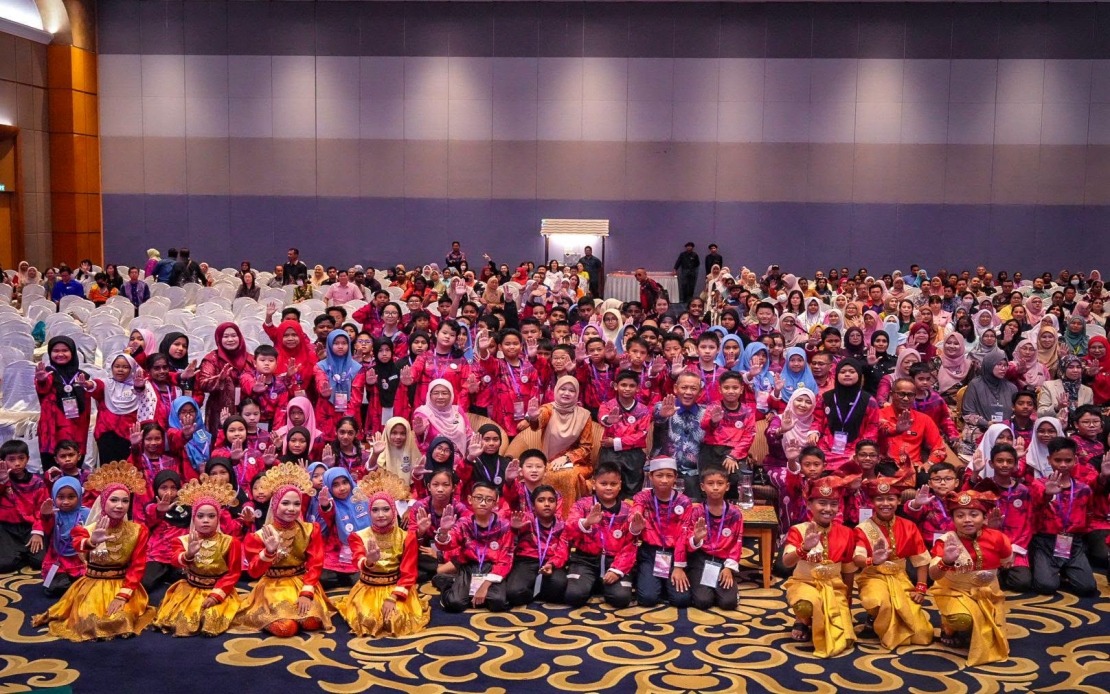
The escalating complexity of ensuring student safety in Malaysian schools demands far more than isolated measures—it requires a comprehensive framework underpinned by genuine coordination among all actors within the education system, according to Education Minister Fadhlina Sidek. Speaking at the Mutiara Diri Programme in Kuala Lumpur on July 16, Fadhlina underscored that building and maintaining public confidence in the security of school environments remains the government's immediate priority, with particular emphasis on safeguarding both the physical integrity and emotional wellbeing of every child enrolled in the nation's educational institutions.
The minister's remarks signal a shift toward recognising school safety as a multifaceted challenge requiring interventions beyond the traditional boundaries of school administration. By framing the issue as requiring strategic thinking rather than ad-hoc responses, Fadhlina acknowledged that incidents threatening student welfare have become sufficiently prevalent to warrant elevated attention at ministerial level. This positioning reflects growing anxieties among parents and educators about the adequacy of existing protective mechanisms within schools, concerns that have gained momentum across Southeast Asia as communities grapple with evolving threats to school environments.
A central pillar of Fadhlina's agenda involves establishing and enforcing comprehensive safety guidelines and child protection protocols that will apply uniformly across all educational institutions operating under the Ministry of Education's purview. The minister explicitly stated that these frameworks must serve as binding directives rather than aspirational documents, indicating a determination to move beyond the common pattern where policies are formulated but inconsistently implemented. This push for standardised compliance suggests recognition that disparities in safety measures between well-resourced urban schools and under-resourced rural institutions have created vulnerabilities that demand attention.
Crucially, Fadhlina's statement incorporated mental health as an integral component of school safety rather than treating it as a separate concern. This integration reflects evolving understanding that student wellbeing encompasses psychological security alongside physical protection. The acknowledgment that mental health issues require dedicated attention signals responsiveness to mounting evidence that many school-related incidents stem from or are compounded by inadequate mental health support systems. For Malaysian schools, where counselling services have historically been stretched thin relative to student populations, this emphasis could translate into pressure for increased investment in trained mental health professionals.
The minister explicitly rejected any notion of compromise on student safety standards, a declaration that carries significance given Malaysia's evolving education landscape and occasional institutional pressures to subordinate safety concerns to other operational objectives. By framing child protection as non-negotiable, Fadhlina positioned safety as a foundational value that cannot be traded off against efficiency, cost considerations, or other competing institutional priorities. This rhetorical stance, if accompanied by budgetary and policy actions, would represent meaningful commitment to shifting organisational culture within schools.
Fadhlina's appeal to parents and educators highlighted the necessity for synergistic action—a recognition that school safety cannot be achieved through top-down mandate alone but requires genuine partnership between government institutions, school leadership, teaching staff, and families. The characterisation of the Mutiara Diri Programme as more than merely another government initiative suggested it functions as a consciousness-raising exercise designed to mobilise stakeholders around shared commitment to creating secure learning environments. Such programmes, when effectively designed, can shift social norms and expectations regarding acceptable standards of student protection.
The participation of Negeri Sembilan Menteri Besar Datuk Seri Aminuddin Harun in the programme underscored the multi-level governance dimensions of school safety, bringing state-level authority into dialogue with federal ministry initiatives. This vertical integration of responsibility reflects recognition that durable solutions require coordination across administrative levels, since school facilities and operations involve both federal policy frameworks and state-level oversight. For states managing their own educational concerns whilst adhering to national guidelines, such collaborative engagements clarify expectations and facilitate information-sharing about emerging challenges.
The emphasis on creating an environment where children can thrive—described as safe, dignified, and prosperous—encompasses broader conceptualisations of what constitutes a healthy school ecosystem. Beyond the absence of immediate threats, this framing incorporates respect for student autonomy and wellbeing as foundational to educational quality. The invocation of children's rights, rather than merely institutional responsibilities, reframes the conversation from what schools must do to what students deserve, a subtle but important rhetorical move that elevates the moral stakes of policy implementation.
For Malaysian educational institutions already navigating resource constraints, rapid enrolment growth, and pressures to improve academic outcomes, the government's emphasis on safety as a non-negotiable priority may require difficult resource allocation decisions. Schools may need to balance investments in security infrastructure, mental health services, and protective protocols against other institutional needs. How education authorities at both state and federal levels resolve such trade-offs will determine whether Fadhlina's strategic vision translates into tangible improvements in student security or remains primarily aspirational rhetoric.
The minister's statement also carries implications for how Malaysia positions itself regionally regarding educational standards and student protection. As Southeast Asian nations increasingly benchmark their school safety approaches against international standards, demonstrating commitment to comprehensive protection frameworks enhances credibility with international education partners and builds confidence among families. The government's willingness to elevate this issue and coordinate across multiple stakeholder groups signals awareness that school safety has become a defining feature of modern educational governance.
Moving forward, the practical success of this strategic approach will depend substantially on the specific mechanisms developed to ensure compliance with safety guidelines across the ministry's sprawling institutional network. Clear accountability structures, adequate resourcing for implementation, regular assessment of policy effectiveness, and genuine responsiveness to frontline feedback from school administrators and staff will determine whether the current initiative represents a sustained commitment or a temporary policy emphasis. The coming months will reveal whether the ministry's rhetorical commitment to zero compromise on safety translates into measurable improvements in how schools identify, prevent, and respond to threats against student wellbeing.

