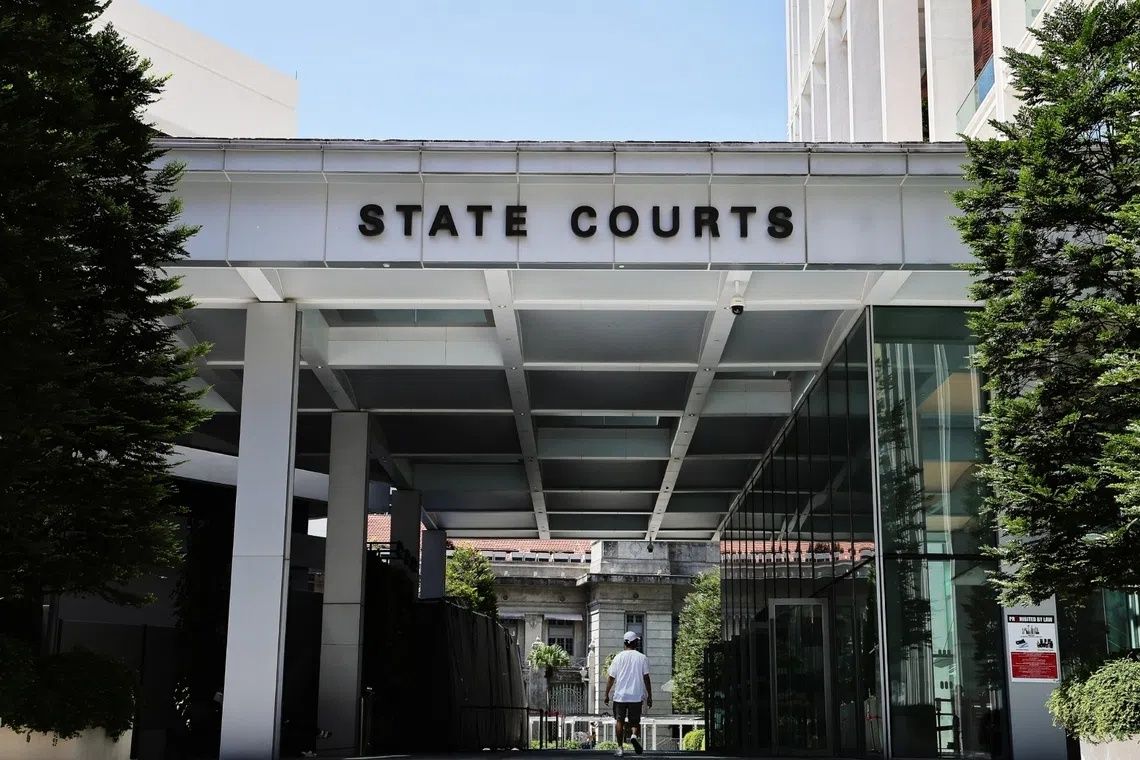
A Singapore construction company owner has been handed a one-year jail sentence for his role in a systematic bribery scheme that compromised contract awarding processes at the Singapore Zoo. Lim Thiam Poh, sole proprietor of Thiam Lee Tradings Construction, pleaded guilty to five graft charges involving at least S$59,000, with ten additional similar charges considered during his sentencing on August 5. The conspiracy, spanning from February 2014 to June 2015, resulted in Lim's firm securing contracts valued at nearly S$2.4 million through corrupt means.
The scheme centred on corrupting Barry Chong Peng Wee, who held the position of facilities management director at the Singapore Zoological Gardens during the period of offences. Lim arranged to deliver bribes totalling at least S$127,000 to Chong, disguised as "commissions" that would secure preferential treatment in contract allocation. Chong, now 59 and no longer employed by the zoo, was sentenced to six years' imprisonment in April 2025 for his role in accepting these payments. A third conspirator, Too Say Kiong, a 60-year-old foreman at Shin Yong Construction, received two years and two months' jail in October 2023 for facilitating the arrangement.
The mechanics of the corruption revealed a calculated scheme designed to circumvent competitive tendering processes. Too, who had worked at Shin Yong Construction since 1990, approached Lim in January 2024 with a proposition: to secure direct contracts from Wildlife Reserves Singapore, Lim would need to pay Chong a commission of up to 20 per cent of his company's profits. Additionally, Lim would provide referral fees to Too for every job awarded directly to Thiam Lee. Lim accepted these terms, understanding that compliance would transform his relationship with WRS from being a subcontractor to Shin Yong Construction into a direct main contractor arrangement.
Following this corrupt bargain, the awarding of contracts shifted notably in Lim's favour. Wildlife Reserves Singapore—which at the time of the offences operated the Singapore Zoological Gardens as a subsidiary, now rebranded as the Mandai Wildlife Group—began allocating projects directly to Thiam Lee rather than to other competitors. Lim maintained the corrupt arrangement by regularly delivering envelopes to Too containing both the monthly commissions destined for Chong and the referral fees designated for Too himself. The structure ensured Lim paid these illicit sums only when his company's net profit exceeded S$20,000 on individual contracts, creating a sliding scale of corruption tied to project profitability.
The consequences of this arrangement extended beyond the three conspirators to the zoo authority itself. Deputy Public Prosecutor Hairul Hakkim articulated the institutional damage during court proceedings, explaining that Wildlife Reserves Singapore suffered material loss through its inability to ensure that the most qualified and cost-effective contractors were engaged. By corrupting the procurement process and tying contract awards to bribery rather than competitive merit, the zoo was denied the opportunity to optimise spending and contract quality. The prosecutor underscored that Lim's motivation was purely acquisitive, describing his conduct as driven by greed rather than any legitimate business consideration.
The timeline of the scheme's discovery remains undisclosed in court documents, though all three men were ultimately charged in 2021. The prosecution's case demonstrated how deeply embedded the corruption had become within the contractual relationship, with Lim systematically cultivating the arrangement through consistent payments to maintain his preferred contractor status. The prosecutor sought a sentence of up to one year, three months and six weeks imprisonment, citing the deliberate and sustained nature of the conspiracy as aggravating factors warranting substantial custodial punishment.
Lim's sentence of one year imprisonment represents a proportionate response to his role as the primary initiator and financial architect of the scheme, though markedly lighter than the six-year term imposed on Chong, who wielded the institutional power to grant contracts. The distinction reflects the courts' assessment of culpability: Lim orchestrated and financed the corruption, but Chong exploited his official position to accept bribes and abuse his discretionary authority. Too's intermediate sentence recognised his role as the crucial link connecting the two parties and facilitating the illicit arrangement.
For Malaysian observers, the case underscores persistent vulnerabilities in procurement processes across the region, particularly in state-linked organisations where contract discretion concentrates significant power in individual hands. The Singapore Zoo bribery scheme demonstrates how officials managing facilities—seemingly lower-profile positions compared to major policy roles—can become focal points for corruption when adequate oversight mechanisms falter. The S$2.4 million in contracts diverted through corruption represents substantial misallocation of resources that could have been deployed more efficiently through competitive tendering.
The case also illustrates how construction and facilities management sectors remain susceptible to corrupt arrangements, reflecting patterns observed throughout Southeast Asia where subcontracting networks create multiple pressure points for bribery. The relatively recent conviction dates—with charges filed in 2021 and sentences handed down in 2023-2025—highlight that even well-established institutions in developed financial centres like Singapore experience procurement corruption, suggesting that vigilance and robust auditing mechanisms remain essential across the region.
Lim's bail was set at S$75,000 pending his commencement of imprisonment on August 19, concluding a legal process that took approximately four years from initial charges to final sentencing. The resolution of this case reinforces the consequences of corruption in public procurement, though enforcement remains dependent on detection mechanisms that may miss similar schemes operating through less obvious channels. The broader implications suggest that procurement fraud prevention requires continuous investment in auditing capabilities and competitive processes rather than discretionary contract allocation to favoured suppliers.

