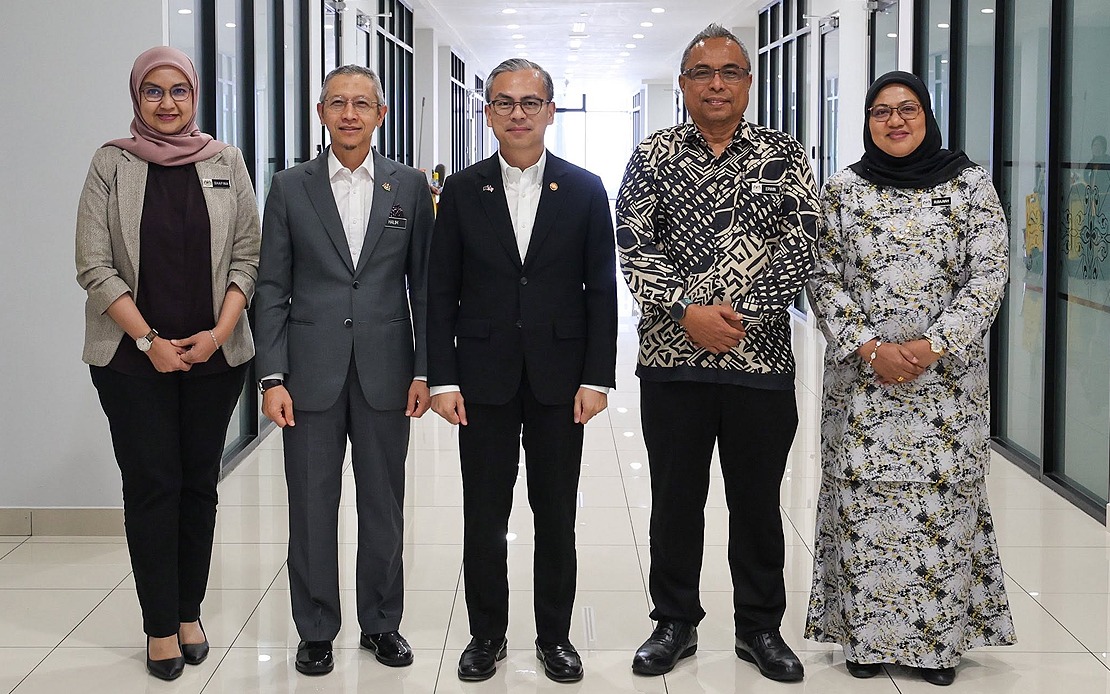
Communications Minister Datuk Fahmi Fadzil has formally welcomed the newly appointed leadership of the Information Department (JaPen) following recent announcements by the Public Service Department. Erwin Khairul Ahmad has been elevated to the position of director-general, while Wan Saidatul Shafina Mohd Amin assumes the role of deputy director-general overseeing digital content operations. The appointments signal a significant transition in the department responsible for coordinating government communications with the Malaysian public.
In his statement, Fahmi underscored the importance of the leadership change at a time when effective information dissemination remains crucial to governance. He expressed confidence in the pair's ability to navigate the evolving landscape of public communications, emphasizing that their tenure should be marked by unwavering commitment to excellence and integrity. The minister framed the appointments within the broader context of strengthening institutional capacity at JaPen, which serves as a vital bridge between government initiatives and citizens seeking reliable information.
Fahmi's remarks highlighted the strategic role that the Information Department plays in delivering government narratives and policy updates to Malaysians across all demographic groups. By calling for service characterized by dedication and wisdom, the minister essentially set a tone for how the new leadership should approach their responsibilities in an increasingly digitized information environment. This messaging suggests that the government views effective communication strategy as integral to maintaining public trust and ensuring that policy announcements reach target audiences efficiently.
The appointment of Wan Saidatul Shafina specifically to oversee digital content reflects recognition of the growing importance of online platforms in shaping public discourse. Her elevation to deputy director-general status indicates that JaPen is prioritizing its digital transformation efforts, particularly as Malaysian society becomes increasingly dependent on internet-based news sources and social media for information consumption. This structural focus on digital operations acknowledges that traditional print and broadcast channels no longer monopolize the information ecosystem.
Fahmi took the opportunity to publicly recognize the contributions of Julina Johan, the outgoing director-general whose tenure concluded with these appointments. By formally expressing appreciation for her leadership, the minister followed diplomatic protocol while also signaling continuity in institutional values and professional standards. This acknowledgement of the previous administration's work helps ensure smooth transitions within government bureaucracy and maintains morale among JaPen staff who may have collaborated closely with Johan.
The Public Service Department formally presented appointment letters through Tan Sri Wan Ahmad Dahlan Abdul Aziz, the director-general of Public Service, lending official weight to these leadership changes. This procedural step confirms that both appointments followed established protocols and have received the highest levels of government authorization. Such formality underscores that these are not interim arrangements but permanent postings reflecting deliberate strategic choices about departmental direction.
The timing of these announcements comes as Malaysian government communications face evolving challenges, including managing information flow during policy transitions and addressing public skepticism in an era of competing narratives. The new JaPen leadership will inherit responsibility for coordinating messaging across various government agencies while maintaining consistency in official narratives. This coordination function has become more complex in recent years as different government bodies operate increasingly autonomous communications strategies.
Erwin Khairul Ahmad's appointment as director-general positions him to oversee all departmental operations, from budget allocation to staff management and strategic planning. His background and credentials, though not detailed in official statements, presumably qualified him among other candidates considered for this senior position. As the top official at JaPen, he will report directly to the Communications Ministry and play a key role in advising Fahmi on communication matters affecting the broader government agenda.
Wan Saidatul Shafina's specific portfolio managing digital content suggests that her expertise aligns with contemporary communication trends. Government departments across Southeast Asia have increasingly invested in strengthening their digital capabilities, recognizing that online presence directly impacts public perception and information access. Her appointment indicates JaPen's commitment to producing content optimized for various digital platforms rather than relying solely on traditional media relationships.
For Malaysian public administration observers, these leadership changes at JaPen merit attention as indicators of government priorities in the communications sphere. The structural emphasis on digital content management suggests that future government communications will likely feature greater sophistication in targeting online audiences and leveraging social media channels. This evolution reflects global trends in public sector communications while adapting to local Malaysian contexts where internet penetration continues to expand.
The effectiveness of Fahmi's newly constituted communications leadership team will ultimately be measured by their ability to enhance government message clarity and reach diverse population segments efficiently. Whether they can modernize JaPen's operations while maintaining journalistic integrity and public trust remains to be seen. Their success will depend partly on resource allocation, staff capacity, and their relationship with both traditional and digital media outlets that relay government information to the public.

