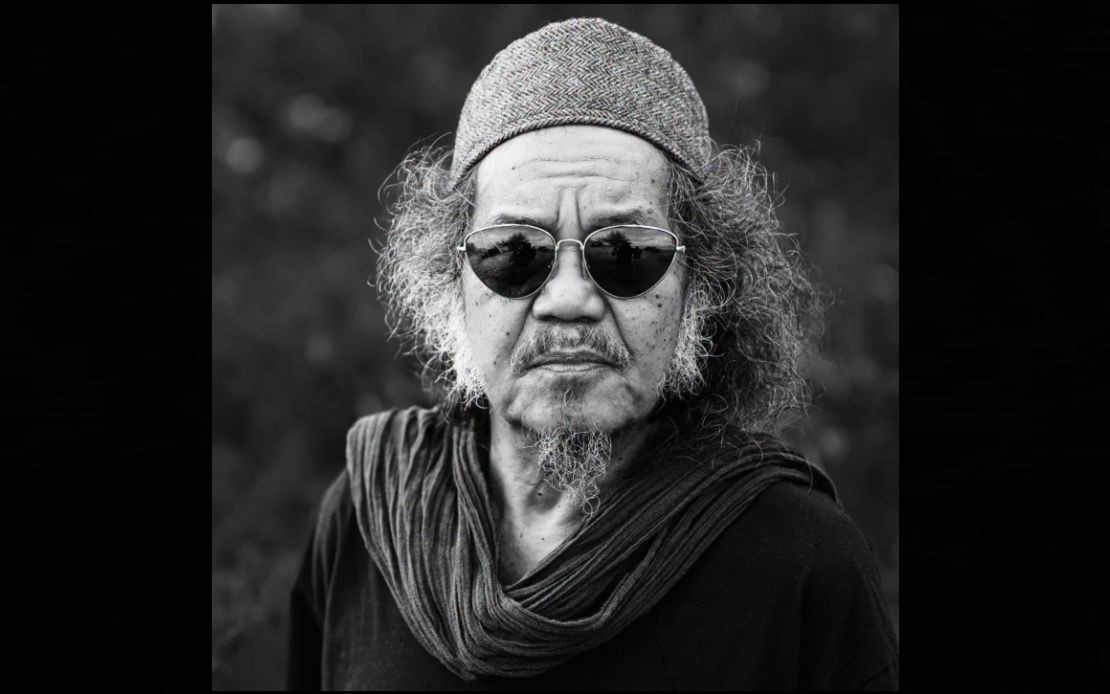
Communications Minister Datuk Seri Fahmi Fadzil has mourned the passing of veteran actor Kamarool Yusoff, affectionately known as Cik Man, with a heartfelt tribute that underscores the enduring cultural legacy of Malaysia's golden age of cinema. The respected entertainer died on the evening of August 5, prompting an outpouring of remembrance from government officials and the wider arts community who recognised his significant contributions to the nation's entertainment industry.
Kamarool's most indelible mark on Malaysian popular culture came through his portrayal of Farouk, the ruthless leader of the "Gagak Hitam" gang, in the landmark 1986 film that remains a touchstone of Malay cinema. This transformative role cemented his status as more than merely an actor—he became synonymous with a pivotal moment in Malaysian film history when the industry was producing original narratives that captured the imagination of audiences across the region. For viewers who came of age during the 1980s, Cik Man's menacing yet captivating performance defined an entire era of local filmmaking characterised by bold storytelling and authentic performances.
In his Facebook post, Fahmi acknowledged that Kamarool's influence extended well beyond his specific filmography, reaching generations of Malaysians who had grown up watching Malay cinema during its commercial and creative peak. The minister's tribute recognised the actor not merely as a performer of technical skill but as a cultural custodian whose work had shaped the tastes and memories of the nation. This framing reflects a broader Malaysian understanding that cinema functions as a repository of collective memory, with individual performances becoming markers of particular historical periods and social contexts.
Fahmi emphasised that Kamarool commanded respect far beyond the immediate acting community, drawing admiration from those genuinely invested in preserving and advancing Malaysia's artistic heritage. Such recognition from a senior government minister signals the state's acknowledgement that veteran entertainers like Kamarool represent invaluable national assets whose contributions warrant official recognition. In Malaysian political culture, ministerial tributes to deceased public figures serve both as expressions of genuine grief and as statements of cultural values, affirming which figures and achievements the government considers worthy of remembrance.
The actor's career trajectory illustrates an important historical reality about Malaysian cinema: the 1980s represented a distinctive moment when local film production could command substantial audiences and critical attention, with individual performers becoming household names whose work transcended mere entertainment to achieve cultural significance. Kamarool's visibility during this period meant that his roles influenced not only cinematic taste but also broader social conversations about masculinity, power, and morality that were being negotiated through film narratives. His portrayal of a criminal protagonist in Gagak Hitam was itself a statement about the kinds of stories Malaysian filmmakers felt empowered to tell.
The minister's invocation of gratitude toward the late actor reflects a particular Malaysian sensibility regarding artistic contribution and national culture. By thanking Kamarool for "enriching our arts scene and creating lasting memories for generations," Fahmi articulated a vision of the actor's legacy as fundamentally generative—Kamarool had not merely performed roles but had actively built the cultural infrastructure through which subsequent generations would understand their own national cinema. This understanding positions deceased artists as active participants in ongoing cultural dialogue rather than as figures consigned to history.
Fahmi's prayer for Kamarool's soul, invoking Allah's forgiveness and mercy, represents the integration of Islamic devotional practice into official state remembrance. In the Malaysian context, such prayers are standard in ministerial tributes and reflect both personal religious conviction and respect for the predominantly Muslim character of the nation's official culture. This practice demonstrates how secular administrative roles and religious observance are routinely intertwined in Malaysian political speech and practice.
The passing of veteran entertainers like Kamarool inevitably prompts broader reflection on the trajectory of Malaysian cinema itself. The 1980s films that established his reputation emerged from a particular industrial, economic, and cultural configuration that has since transformed dramatically. Contemporary Malaysian film production operates within very different technological, financial, and distribution frameworks, and the possibility of a performer achieving Cik Man's level of national prominence through local cinema has arguably diminished. His death thus marks not only the loss of an individual artist but also the symbolic closure of a distinctive chapter in Malaysian cultural history.
For audiences across Southeast Asia, Kamarool's legacy extends beyond Malaysia's borders, as Malaysian films of the 1980s circulated throughout the region and contributed to shared entertainment cultures. Performers who achieved prominence during this period of regional film trade became familiar figures across multiple national contexts, their work understood as part of a broader pan-Southeast Asian cinema. The tributes following Kamarool's death therefore resonate not only within Malaysia but also among viewers across the region who encountered his work as part of their own entertainment experiences.
The media reports confirming Kamarool's death circulated quickly through Malaysian news channels and social media, triggering spontaneous remembrance from audiences who had been shaped by his performances decades earlier. This delayed but genuine outpouring of grief indicates that significant entertainers maintain psychological presence in national consciousness long after their work was originally produced, with particular roles becoming permanently lodged in collective memory. Cik Man's transformation of Farouk into an iconic character ensured that the character himself became independent of the actor, familiar to viewers who might not even remember Kamarool's name but who retained vivid impressions of the performance.
Going forward, Kamarool Yusoff's legacy will likely be preserved through retrospective screenings, film archives, and cultural commentary that positions his work within the history of Malaysian cinema. Government acknowledgement through ministerial tributes and potential public commemorations may contribute to renewed interest in 1980s Malaysian films, inviting contemporary audiences to discover or rediscover the era that established Cik Man's reputation. The loss of performers who defined particular cinematic moments serves as a catalyst for broader cultural assessment of those periods and their continuing relevance.

