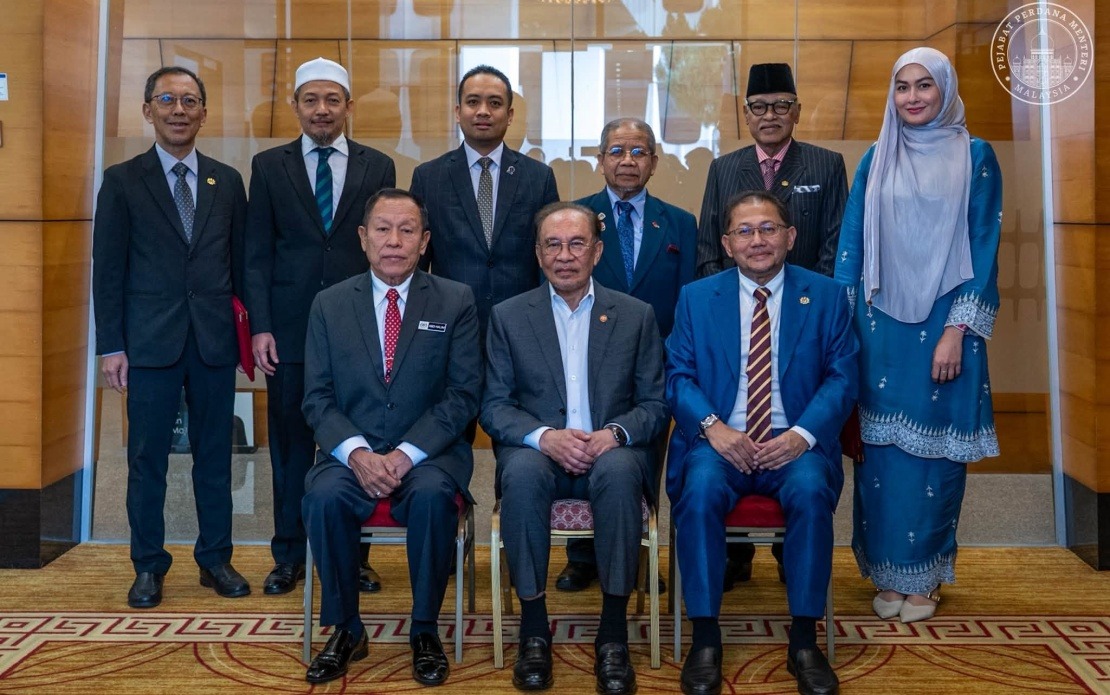
Prime Minister Datuk Seri Anwar Ibrahim has underscored the necessity of a broad-based approach to combat corruption, rejecting the notion that any single agency can shoulder this responsibility alone. Speaking after presenting appointment documents to fresh members of Malaysia's two key anti-corruption bodies at Parliament, he outlined a vision for tackling graft that spans multiple tiers of governance and society. The battle against corruption, he contended, demands genuine collaboration between enforcement authorities, oversight committees, lawmakers, government departments, commercial enterprises, and communities across the country.
The Prime Minister highlighted the pivotal roles played by the Special Committee on Corruption, formally known as JKMR, and the Anti-Corruption Advisory Board, or LPPR, in Malaysia's institutional architecture for rooting out dishonesty. Both organisations function as crucial mechanisms of oversight and accountability, furnishing autonomous evaluations and rigorous scrutiny that enhance the overall impact of the nation's anti-corruption drive. By operating independently from executive control, these bodies are positioned to offer perspectives that might otherwise be obscured by political or bureaucratic pressures.
At the parliamentary sitting where he formally handed over the appointment instruments to newly selected members of both committees, Anwar conveyed a direct message emphasising the importance of their mandate. He urged the appointees to reinforce their commitment to advancing Malaysia's anti-corruption programme with renewed vigour and focus. This ceremonial occasion, conducted following formal approval from the Yang di-Pertuan Agong, served as a public affirmation of the state's dedication to institutional renewal in the fight against graft.
The composition of both committees deliberately draws from diverse backgrounds and experiences, yet Anwar stressed that all members share an overarching duty: to strengthen national efforts to eliminate corruption. This diversity of perspective is intentional, designed to ensure that decision-making reflects multiple viewpoints and professional expertise rather than clustering around narrow interests. The varied professional histories and sectoral experience among appointees theoretically provide a richer pool of knowledge for identifying systemic vulnerabilities and recommending solutions.
The JKMR was established through statutory law under Section 14 of the Malaysian Anti-Corruption Commission Act 2009, with its membership drawn deliberately from both government-supporting and opposition parliamentarians, as well as members of the Senate. This mixed composition within the committee structure reflects an attempt to build bipartisan consensus on anti-corruption priorities, though in practice achieving genuine cross-party cooperation on sensitive matters remains perpetually challenging. The inclusion of opposition figures aims to enhance public confidence that the anti-corruption agenda transcends partisan divisions.
Meanwhile, the LPPR operates under Section 13 of the same legislative framework and recruits members from a different pool entirely. Its appointees are selected from individuals who have demonstrated exemplary integrity throughout their careers and who have either provided outstanding service in the public domain or earned recognition within their professional disciplines. This approach seeks to inject independent expertise into advisory discussions, drawing on individuals whose reputations rest on competence and ethical standards rather than political appointment or party affiliation.
The Malaysian Anti-Corruption Commission Act 2009 provides the legal scaffolding for these institutional arrangements, establishing both committees' formal powers and responsibilities. Understanding these statutory foundations is essential for appreciating how Malaysia's anti-corruption framework operates and where authority resides. The legal architecture reflects a deliberate choice to distribute anti-corruption responsibilities across multiple institutions rather than concentrating power in any single body, recognising that institutional checks and balances strengthen overall effectiveness.
For Malaysian readers and regional observers, the Prime Minister's emphasis on collective responsibility carries particular significance. Southeast Asia faces persistent challenges with corruption that undermine economic growth, discourage foreign investment, and erode public confidence in state institutions. Malaysia's experience in establishing multilayered anti-corruption mechanisms offers a template, though implementation challenges abound. The success of such committees ultimately depends less on structural elegance than on whether appointees possess genuine independence, access to investigative resources, and willingness to pursue cases regardless of political sensitivities.
The appointment of new committee members represents a moment for reassessing Malaysia's progress against corruption and identifying areas requiring renewed focus. The private sector's role in this ecosystem deserves particular attention, as businesses face temptation to engage in bribery and corrupt practices when competing for contracts or managing regulatory relationships. Equally, civil society organisations and professional bodies must function as watchdogs, exposing irregularities and maintaining public awareness that corruption remains an unacceptable breach of public trust.
Anwar's framing of anti-corruption as a collective responsibility shifts expectations away from government alone toward societal accountability. This reframing acknowledges that corruption persists partly because multiple stakeholders—officials, businesses, intermediaries, and sometimes citizens themselves—benefit from or tolerate illicit arrangements. Breaking these patterns requires coordinated pressure from multiple directions simultaneously. The appointment of new committee members signals institutional renewal, yet the real test will emerge through their investigative outcomes and their capacity to hold powerful figures to account without fear or favour.

