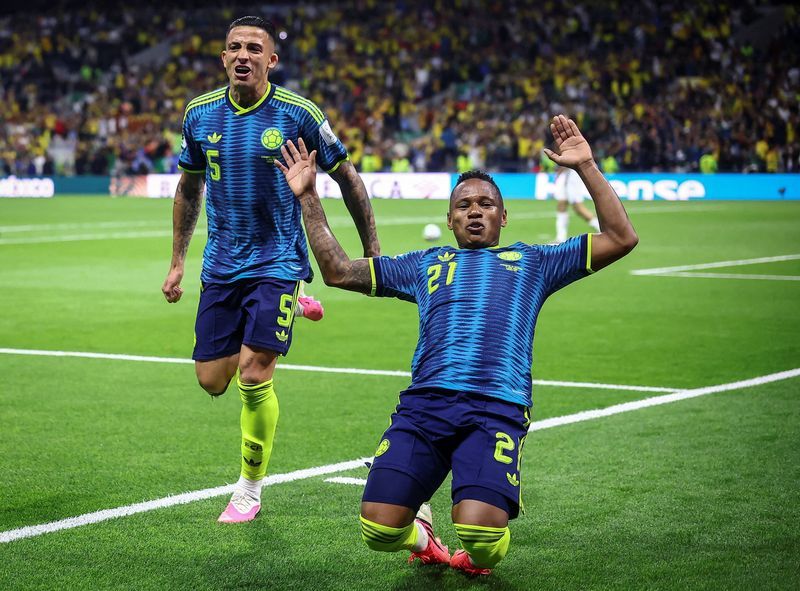
Colombia will attempt to extend their World Cup campaign on Tuesday when they confront DR Congo in Group K, aiming to translate their opening-match momentum into a second consecutive victory. Manager Nestor Lorenzo's squad began their tournament with a commanding 3-1 scoreline against Uzbekistan, though the performance exposed defensive weaknesses in the second half that the Colombian coaching staff recognise must be tightened. A victory would almost certainly secure passage to the Round of 32 and could even clinch top spot in their group depending on the outcome of Portugal's fixture against Uzbekistan, placing Colombia in a commanding position early in their campaign.
The burden of Colombia's attacking threat rests predominantly on Bayern Munich's Luis Diaz, whose explosive performance against Uzbekistan—marked by a goal and assist—established him as the tournament's emerging South American threat. Named player of the match for his energetic spearheading of the Colombian attack, Diaz's pace and direct running bypassed the Uzbek defence when more methodical build-up play faltered. However, Lorenzo will expect greater involvement from captain James Rodriguez, who remained comparatively subdued during the opener despite his pedigree and experience. The Colombian boss recognises that maintaining attacking potency whilst addressing the defensive vulnerabilities exposed in the second half against Uzbekistan represents the primary challenge facing his tactical setup.
DR Congo arrive at the Estadio Azteca with genuine confidence following their stunning 1-1 draw against Portugal, a result that represents far more than a single point on the scoreboard. The Central African nation had endured a 48-year absence from the World Cup stage, their last appearance coming in 1974 when they competed as Zaire. Yoane Wissa's goal—the nation's first World Cup strike in nearly five decades—symbolised a broader resilience that rattled one of the tournament's favoured sides. Coach Sebastien Desabre's defensive organisation and calculated use of counter-attacking transitions proved sufficiently effective to frustrate Portugal's creative ambitions, establishing DR Congo as opponents capable of disrupting more established footballing nations.
Lorenzo has publicly acknowledged the tactical examination that DR Congo will present, issuing a pointed warning about the Congolese approach that diverges significantly from Uzbekistan's possession-based strategy. The Argentine manager noted that DR Congo operate primarily through rapid transitions, employing long ball distribution and swift breaks that expose teams caught in advanced positions. This stylistic contrast demands different defensive positioning and tactical discipline than the Colombian squad demonstrated against Uzbekistan, where possession dominance occasionally undermined their effectiveness. Lorenzo indicated that Colombia occasionally surrendered the initiative through aimless sideways play, allowing dangerous moments to dissolve without incisive finishing, a profligacy that more clinical opponents will punish.
The intensity of DR Congo's counter-attacking methodology presents Colombia with a distinct puzzle compared to Uzbekistan's more rigid defensive structure. While Colombian possession will likely dominate territory and passing statistics, converting that supremacy into decisive goal-scoring opportunities whilst simultaneously defending the spaces vulnerable to rapid transitions requires precise execution. Lorenzo's emphasis on clinical finishing suggests Colombia squandered shooting opportunities against Uzbekistan that should have inflated the scoreline further, making subsequent matches against sterner opposition potentially more hazardous if such inefficiency persists.
Colombia's previous encounter benefited substantially from home-field advantage, with thousands of Colombian supporters transforming Mexico City's Estadio Azteca into an atmospheric fortress. Based in Guadalajara for their tournament campaign, Lorenzo's squad can reasonably expect similar vocal backing as they pursue another victory, though the inspirational impact of support cannot overcome tactical or execution-based deficiencies. The psychological lift of playing before predominantly Colombian crowds does nonetheless represent a tangible advantage, particularly when facing opponents still acclimating to the tournament's intensity and pressure.
DR Congo's defensive structure, proven effective against Portugal's technical sophistication, may present fewer openings for the expansive football Colombia prefer. Desabre's compact shape and disciplined positioning suggest the Central African nation will cede possession whilst remaining dangerous during transitions, forcing Colombia to maintain higher concentration levels across ninety minutes. Colombian defenders must remain vigilant against Wissa and the supporting cast, understanding that lapses invite counter-attacking opportunities that could prove costly against an increasingly confident opponent.
The stakes intensify for both teams heading into Tuesday's encounter. A Colombian victory essentially guarantees progression and likely group leadership, whereas a DR Congo triumph would place them genuinely in contention for a surprising advancement. For the Central African nation, already exceeding expectations following their Portugal draw, another positive result would represent an extraordinary achievement and validate Desabre's tactical approach. Colombia, conversely, cannot afford complacency against an opponent who has demonstrated an capacity to trouble superior sides through organisation and opportunism.
Lorenzo must balance the attacking impetus that produced victory against Uzbekistan with the defensive solidity required against DR Congo's transitional threats. The Colombian manager's tactical selections—particularly regarding midfield protection and defensive positioning during possession phases—will significantly influence the match's trajectory. Should Colombia successfully synthesise their attacking verve with tightened defensive discipline, passage through Group K beckons relatively smoothly. However, repetition of the second-half vulnerabilities displayed against Uzbekistan could prove substantially costlier against an opponent more inclined to exploit such openings through rapid, purposeful transitions.

