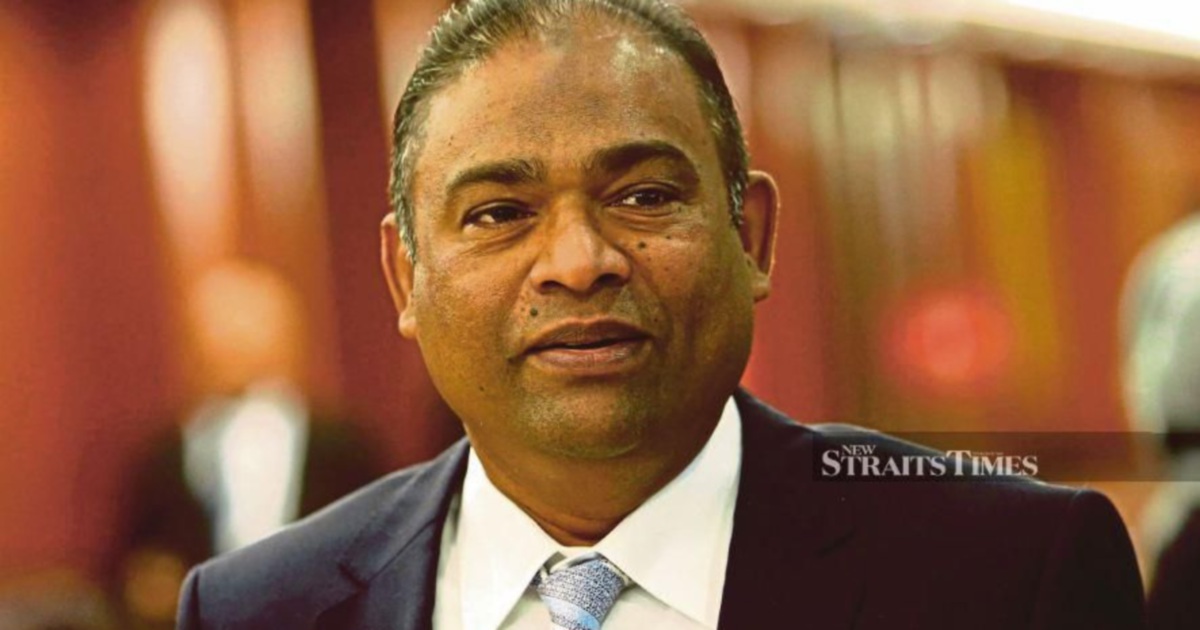
The family of former Tabung Haji chairman Datuk Seri Abdul Azeez Abdul Rahim has moved swiftly to dismiss reports circulating about his arrest, with his son Mohamed Khairul Azman publicly clarifying that the Malaysian Anti-Corruption Commission made no such move against the former bank chief.
The denial comes as an important correction to narratives that had gained traction regarding the senior executive, whose tenure at the helm of Malaysia's pilgrim bank drew significant scrutiny in recent years. Tabung Haji has been under considerable public and regulatory pressure following various corporate governance concerns and financial matters that captured national attention during and after Abdul Azeez's leadership period.
Abdul Azeez's position at Tabung Haji represented one of the nation's most prominent roles in financial services management. The pilgrim savings scheme, which holds the deposits and financial obligations of millions of Malaysian Muslims preparing for the Hajj pilgrimage, wields enormous influence across the country's Islamic finance landscape. Any developments affecting its leadership therefore carry weight extending far beyond the institution itself.
The clarification from his son underscores how quickly misinformation can proliferate in an era of instant digital communication. Reports or allegations involving high-profile figures, particularly those connected to financial institutions or public sector entities, tend to spread rapidly across social media and news platforms before verification occurs. Family members often find themselves in the position of having to publicly address unfounded claims to protect personal reputation and business standing.
The MACC, which operates as Malaysia's primary anti-corruption enforcement agency, maintains strict protocols around enforcement actions and public announcements. Any arrest or custodial action taken by the commission is typically documented through official channels and communicated via formal statements, lending credibility to the family's assertion that no such action has occurred. The absence of official MACC communication on this matter lends weight to the denial.
Tabung Haji's corporate governance matters have drawn regulatory and public interest scrutiny over several years, with various issues emerging around investment decisions, financial management practices, and executive accountability. These concerns have contributed to heightened scrutiny of the institution's leadership across different periods, including during Abdul Azeez's tenure. The organization subsequently underwent leadership transitions and strategic reviews aimed at addressing identified shortcomings.
For Malaysian readers and observers monitoring developments in Islamic finance and institutional governance, clarity regarding leadership figures and their legal status remains important. Accurate information helps maintain public confidence in both the regulatory framework and the institutions themselves. Misinformation can undermine trust in governance structures at a time when transparency and accountability are increasingly demanded by stakeholders and the general public.
The incident highlights broader challenges facing public figures and corporate leaders in Malaysia's highly connected information environment. Even unsubstantiated claims can gain significant circulation and cause reputational damage before corrections are possible. This dynamic particularly affects individuals associated with institutions holding public trust, where public perception directly influences confidence in the organization's operations and financial security.
Abdul Azeez's experience reflects patterns seen across Southeast Asia where executive leadership and governance questions intersect with public institutions managing significant assets and public resources. The regional context of intense media scrutiny and rapid information dissemination means that institutional leaders must remain vigilant about their public profiles and prepared to address inaccuracies quickly and decisively.
The clarification also speaks to the importance of distinguishing between regulatory inquiries or investigations—which may occur confidentially—and formal enforcement action such as arrest. A regulatory body like the MACC may investigate matters or conduct interviews with individuals as part of routine or substantive inquiries without these activities culminating in formal legal action. The public naturally conflates these different phases of regulatory process, leading to misunderstandings about the actual status of any investigation or enforcement matter.
Going forward, the incident serves as a reminder of the need for accuracy in financial sector reporting, particularly when coverage touches on institutions holding public deposits and managing pilgrim affairs. The stakes are particularly high when misinformation could affect public confidence in an organization that handles the savings of millions preparing for one of Islam's Five Pillars. Both media outlets and information sources bear responsibility for verification before amplification.

