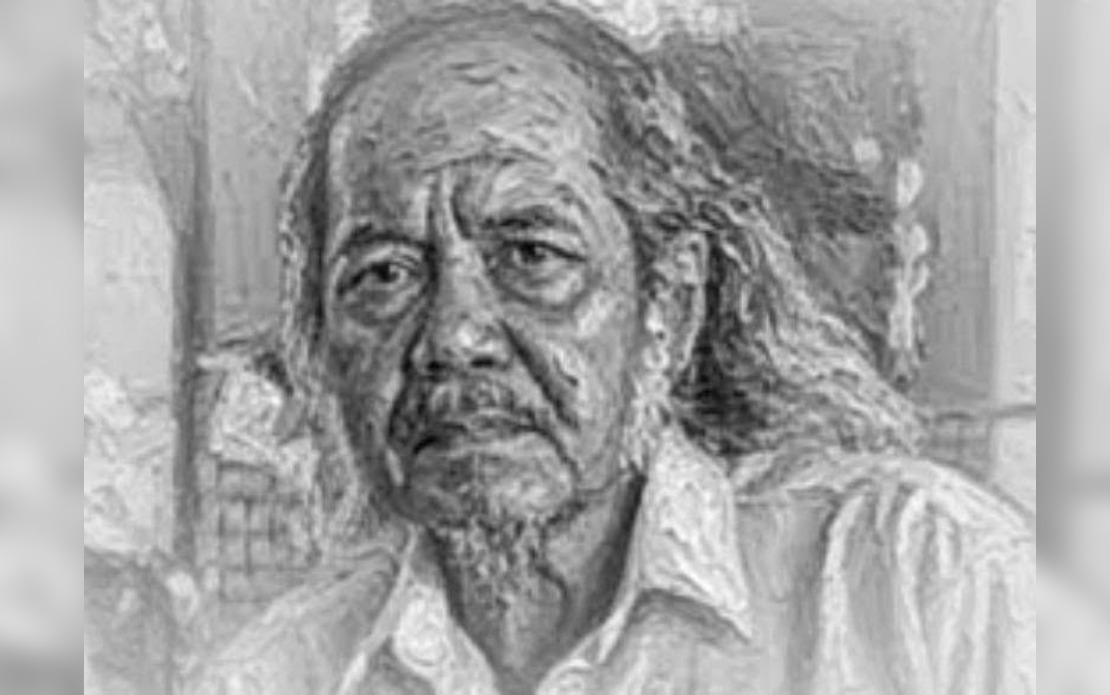
The passing of Kamarozaman Yusoff, affectionately known as Cik Man, marks the end of an era for Malaysian cinema. The 68-year-old veteran actor died at 5.30 pm on August 5 at Tanah Merah Hospital in Kelantan following heart complications, prompting the Malaysian Artistes' Association (SENIMAN) to declare his departure a profound loss to the nation's creative industries. His death removes from the scene one of the country's most distinctive and respected character performers, a figure whose understated presence defined an entire generation of Malaysian filmmaking.
According to SENIMAN secretary-general Hafiz Nafiah, Cik Man distinguished himself as among the finest character actors Malaysia has produced, accumulating a body of work spanning more than four decades that showcased his remarkable range and authenticity. Rather than pursuing the conventional markers of stardom, the late actor built his reputation on the strength of his craft, developing a signature performance style rooted in emotional depth and naturalism. His particular connection to the Kelantan dialect transformed what could have been a regional linguistic marker into a recognizable artistic trademark, allowing audiences across Malaysia to identify his work instantly whilst celebrating the diverse cultural expressions within Malaysian society.
The industry's respect for Cik Man rested not on fan accolades or award ceremonies but on the genuine esteem held by his peers and the younger generation of actors who studied and worked alongside him. His approach to performance emphasised discipline and a steadfast commitment to artistic integrity, qualities that transcended commercial pressures and fleeting trends. Hafiz noted that despite lacking the profile-raising impulses common among entertainment personalities, Cik Man's dedication to his craft positioned him as a revered mentor figure whose influence extended far beyond the films and television dramas that bore his name.
Cik Man's breakthrough came in 1986 through his portrayal of Farouk in Gila-Gila Remaja, a role that introduced audiences to his distinctive presence and laid the foundation for the prolific career that followed. The subsequent years saw him navigate a diverse range of projects that demonstrated his versatility, from the romantic dimensions of Rozana Cinta 87 to the ensemble dynamics of the comedy-driven Rock, Rock Oo! and Rock Bro! films. These early successes established patterns of collaboration and critical acknowledgment that would sustain his work throughout subsequent decades, building a filmography that became synonymous with a particular era of Malaysian popular cinema.
Among the most significant contributions to his legacy stands his iconic portrayal in the Rock film trilogy, directed by the late Mamat Khalid. This character became one of the most memorable roles in Malaysian cinema history, the kind of performance that audiences continue to reference and recall with fondness even after multiple viewings. The trilogy represented a high point of Malaysian filmmaking's technical and creative capabilities during that period, and Cik Man's involvement elevated the entire project through his naturalistic interpretation and comedic timing. The character remains embedded in the cultural memory of Malaysian viewers, testament to the lasting impression he made on the national cinema.
Beyond the Rock series, Cik Man's filmography extended across numerous projects that showcased different facets of his abilities. His appearances in Tiada Tajuk, Cerita Hantu Malaysia, Mael Totey The Movie, and Abu Si Raksasa demonstrated an willingness to engage with varied genres and narrative structures. The drama series Banyak Chanteq represented his work in television, a medium that allowed for deeper character development over extended storytelling arcs. This breadth of experience across film and television formats positioned him as a comprehensive artist rather than a specialist confined to a single medium or genre.
The significance of Cik Man's passing extends beyond individual film projects or performances. His career embodied a particular philosophy of acting that prioritised substance over celebrity, contribution over recognition. In an entertainment landscape increasingly dominated by social media metrics and commercial algorithms, his example stands as a reminder of the alternative tradition rooted in craft mastery and peer respect. For Malaysian audiences, his films and performances represent a tangible connection to earlier decades of national cinema, preserving and transmitting cultural values and linguistic expressions across generations.
SENIMAN's statement, released through Hafiz Nafiah, framed Cik Man's departure as a moment for reflection on his lasting contributions to Malaysia's creative industries. The association emphasised that whilst the artist has physically departed, his artistic legacy persists through the films and performances preserved in public memory and archival systems. These works continue to circulate, be viewed, and inspire new generations of filmmakers and actors seeking to understand the foundations of Malaysian popular culture. In this sense, Cik Man's influence remains active rather than historical, continuing to shape how new creators understand the possibilities of their medium.
The respect accorded to Cik Man by industry leadership suggests an understanding that Malaysian cinema's international standing depends partly on figures like him—artists who approached their work with seriousness and dedication regardless of commercial reward or celebrity status. His career trajectory, built through steady accumulation of respected roles rather than explosive breakthrough moments, represents a model of artistic sustainability that contrasts sharply with contemporary entertainment patterns emphasising rapid rises and short careers. SENIMAN's invocation of blessing for his soul and placement among the righteous reflects broader cultural acknowledgment that his contributions transcended mere entertainment to touch something more fundamental about collective identity and cultural expression.
As the Malaysian creative industries process the loss of Kamarozaman Yusoff, opportunities emerge for retrospective engagement with his work. Film festivals, streaming platforms, and cultural organisations may recognise the moment as appropriate for revisiting the Rock trilogy and his other significant projects, allowing audiences who never encountered his work to discover his distinctive talent. Such efforts would transform his passing into a catalyst for broader cultural conversation about the evolution of Malaysian cinema, the role of character actors in ensemble narratives, and the methods by which artistic legacy sustains itself across time. His death, whilst marking a conclusion, simultaneously opens possibilities for renewed appreciation of a career that exemplified the highest standards of his craft.

