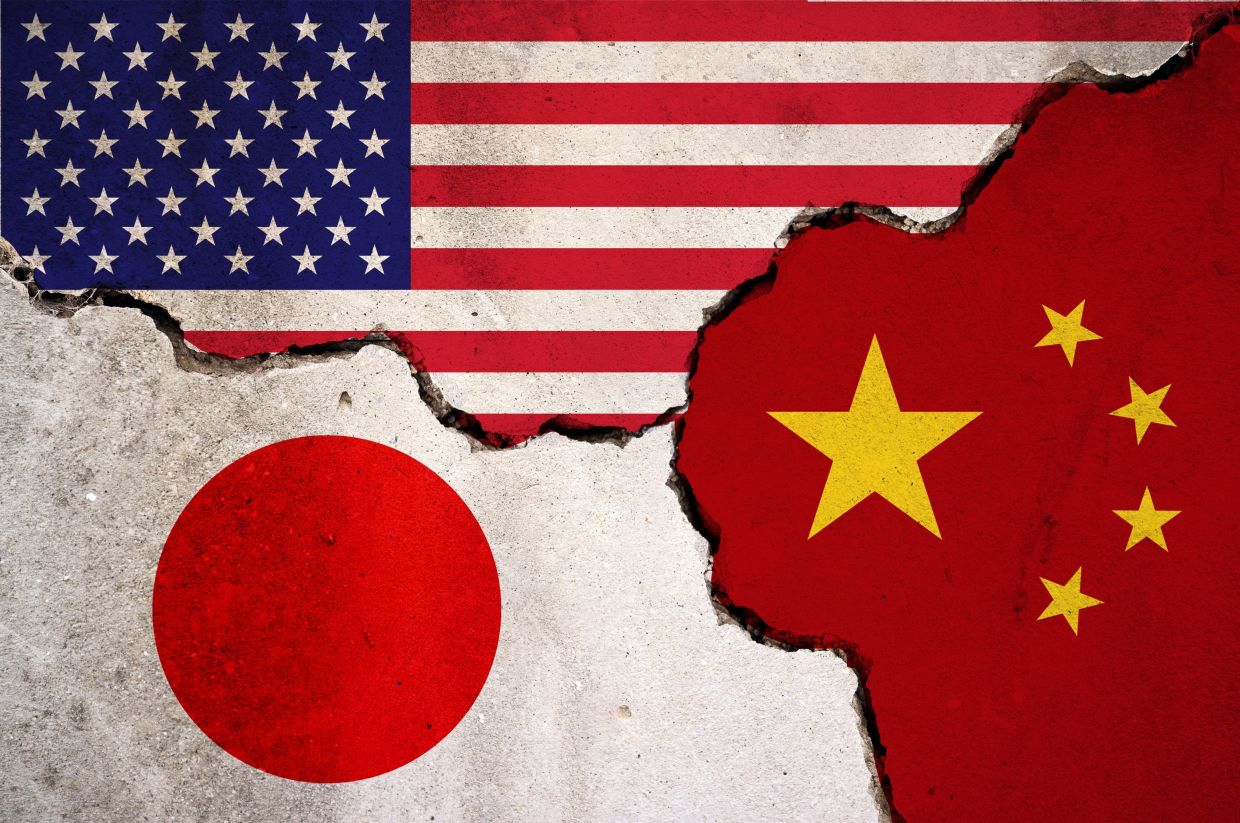
The relationship between the United States, Japan, and China is experiencing unprecedented strain as Beijing wages an economic campaign against Tokyo that Washington appears reluctant to confront directly. Over the past seven months, China has repeatedly punished Japan through various retaliatory measures, leaving Japanese officials feeling abandoned by their traditional American security guarantor. The tensions in this three-way dynamic have rattled an already unstable region, with analysts and former US government officials warning that Washington's tepid response to Chinese coercion threatens to undermine decades of carefully maintained regional balance.
The flashpoint emerged in November when newly elected Japanese Prime Minister Sanae Takaichi made explicit statements that Japan would regard any Chinese military attack on Taiwan as an existential threat to Japanese security. Speaking to lawmakers, the hardline politician refused to qualify her remarks, asserting that military operations involving warships could directly threaten Japan's survival. This declaration broke with Japan's traditional diplomatic circumspection and challenged the strategic ambiguity that has underpinned regional stability since the Cold War. While Beijing's furious reaction to what it considers a violation of core red lines was entirely predictable, observers were struck by the apparent gap that opened between Tokyo and Washington during this crisis.
The Trump administration's muted response to China's subsequent economic retaliation has proven deeply disappointing to Japan. Behind closed doors, Japanese officials have escalated their pleas for Washington to pressure Beijing into easing restrictions imposed as punishment for Takaichi's comments. What began as occasional requests has evolved into persistent advocacy across cabinet and legislative channels, according to sources familiar with internal discussions. Yet White House officials have treated the matter with striking indifference, relegating Japan's concerns to low priority in bilateral conversations. The dismissive attitude reflected in one source's characterization—"Japan wants this... Next subject"—captures the jarring disconnect between Tokyo's expectations and Washington's performance.
Analysts point to multiple overlapping factors explaining Trump's apparent reluctance to robustly defend a treaty ally. The administration's preoccupation with Middle Eastern affairs, particularly the Iran conflict initiated following coordination with Israeli Prime Minister Benjamin Netanyahu, has consumed considerable presidential bandwidth. Military assets and anti-missile systems that traditionally supported East Asian security have been redirected toward the Persian Gulf, reflecting a strategic pivot away from the Indo-Pacific. While Takaichi's Taiwan remarks predated the Middle East escalation, this reorientation cannot entirely account for Washington's earlier hesitation to support Japan forcefully against Chinese pressure.
A more troubling explanation centres on President Trump's transactional approach to international relations and his desire to leverage regional security concerns as negotiating chips with Beijing. With his domestic political standing weakening and midterm elections looming, Trump may calculate that maintaining a compliant posture toward China—whether to facilitate a potential Washington summit with President Xi Jinping or advance trade negotiations—requires coolness toward Japanese grievances. Strategists suggest that Trump views Taiwan policy and his silence regarding Japanese concerns not as matters of collective security but as tactical advantages to deploy in bilateral US-China negotiations. This fundamentally contradicts the post-World War II alliance architecture premised on shared interests and mutual obligation.
Trump's longstanding skepticism toward alliances compounds the problem. The American president has consistently portrayed allied nations as freeloaders exploiting US military might without proportionate contribution. This ideological suspicion persists despite Japan's concerted efforts to demonstrate commitment through increased defence spending and military modernization—precisely the reciprocal engagement Washington has repeatedly requested. Japan's compliance with American calls for greater defence investment somehow fails to earn corresponding diplomatic support when facing Chinese coercion. The contradiction has left Japanese officials bewildered about what additional steps might soften Trump's transactional calculus.
Japanese frustration has been further inflamed by Trump's open irritation that Tokyo, NATO members, and other allies declined to provide military assets for his Middle East operations. During a March White House meeting with Takaichi, when asked why he had not consulted allies on his war plans beforehand, Trump responded dismissively, insisting that "people need to step up" while denying he required any assistance. This performative unilateralism reflects a zero-sum worldview in which security cooperation functions as unidirectional obligation rather than reciprocal benefit. Japanese observers question whether any level of contribution could satisfy expectations framed in such absolutist terms.
For Japan, the situation presents a genuine strategic dilemma. Tokyo recognizes that publicly complaining about Chinese pressure invites further retaliation, yet remaining silent appears equally costly given the economic toll of Beijing's restrictions. Japanese officials fear international perception of weakness while desperately seeking Washington's vocal support against coercion. According to Jeremy Chan, senior analyst with Eurasia Group, Japan occupies an uncomfortable middle position, unwilling to demand explicit American backing publicly yet escalating private appeals for intervention. This diplomatic constraint reflects Japan's fundamental vulnerability as a mid-sized power squeezed between two larger rivals.
The structural problem reflects deeper questions about Trump's worldview and operational style during his second term. Observers note an increasing drift toward personal preoccupations—family business interests, cryptocurrency ventures, and settled grudges—at the expense of geopolitical strategy and party interests. The president's apparent dismissal of women leaders, revealed through various public statements and editorial commentary, may additionally colour his engagement with Takaichi specifically. When personal grievances and transactional calculations drive foreign policy rather than strategic doctrine, alliance commitments become contingent and conditional in ways that destabilize regional order.
The implications extend far beyond bilateral US-Japan relations. China's willingness to weaponize economic coercion against a wealthy, technologically advanced ally suggests Beijing perceives Washington's commitment to regional defence as weakening. Should Japan conclude that American security guarantees carry diminished weight, Tokyo might pursue independent military capabilities or even nuclear weapons development—outcomes that would fundamentally destabilize East Asia. Southeast Asian nations watching this dynamic unfold from the region's southern tier may similarly reassess their security strategies, potentially pulling closer to Beijing rather than relying on Washington.
Meanwhile, some analysts defend Takaichi's decision to articulate what has long remained diplomatically unsaid. Japan's geographic position astride critical sea lanes and the presence of substantial US military installations have always made Taiwan's security directly relevant to Japanese strategic interests. Whether framed as strategic ambiguity or studied evasion, the previous generation's diplomatic formula increasingly reflected outdated assumptions about regional dynamics. Takaichi's forthright language, from this perspective, reflected evolving geopolitical realities rather than reckless provocation. Yet this argument provides cold comfort to Tokyo as it navigates Beijing's economic punishment without American diplomatic cover.
The crisis ultimately reveals fault lines in the post-Cold War alliance system. Japan invested heavily in the US security relationship, consistently met Washington's requests for greater defence contributions, and maintained careful diplomatic protocols respecting American primacy. That such demonstrated commitment yields equivocal support during moments of acute pressure suggests the alliance has fundamentally transformed. Whether temporarily due to Trump's distracted priorities and transactional worldview or reflective of deeper structural erosion remains uncertain. What is clear is that regional actors are taking careful note, and the consequences may reshape East Asian security dynamics for years to come.
For Southeast Asian observers and policymakers, the US-Japan tensions serve as a cautionary reminder about the limits of alliance relationships when anchored to individual leadership personalities rather than institutional frameworks and shared strategic interests. The region's security architecture, already strained by great power competition and Beijing's assertiveness, may face further instability if Washington's commitment to treaty obligations remains contingent rather than categorical. Japan's current predicament, in this sense, previews challenges that could emerge across the broader region if American resolve continues to weaken.

