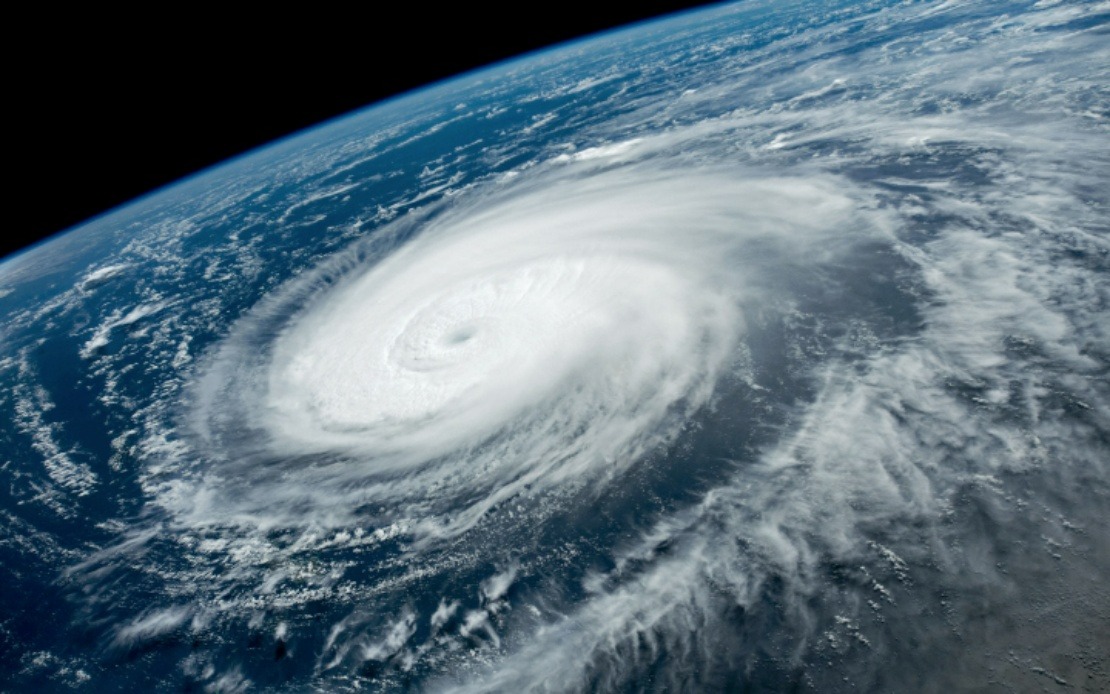
China's coastal provinces are girding for the arrival of Typhoon Dolphin, with meteorological authorities taking the rare step of upgrading their highest-level emergency protocols on Saturday as the system bears down on the eastern seaboard. The National Meteorological Centre elevated the typhoon warning from yellow to orange and raised the country's emergency response classification to Level III, signalling the severity of the approaching weather system and the potential for widespread disruption across densely populated regions. Meteorologists predict the typhoon will make landfall between Zhoushan in Zhejiang Province and Fuding in Fujian Province sometime from Sunday evening through Monday morning, bringing destructive winds and torrential downpours to one of China's most economically vital corridors.
Zhejiang Province, which sits directly in the projected path of the storm, moved swiftly to declare its typhoon emergency response at the second-highest level. The provincial government has marshalled an extensive monitoring infrastructure, deploying more than 4,000 observers across over 7,500 designated risk zones where geological hazards such as landslides pose particular threats during severe weather. This proactive positioning reflects the lessons learned from previous typhoons and demonstrates the growing sophistication of China's disaster management apparatus in densely developed coastal areas where human settlements increasingly encroach on vulnerable terrain.
The scale of maritime activity suspended in Zhejiang underscores the typhoon's anticipated impact on regional commerce and transportation networks. All 162 passenger ferry routes operating within the province have been shuttered, effectively isolating island communities and cutting off crucial transport corridors that normally facilitate the movement of goods and people. Additionally, work has ceased at all 193 offshore construction projects, many of which represent significant infrastructure investments that will now lose days of productivity. The government has also issued a mandatory directive requiring 474 construction vessels to return to protected harbours, removing floating assets from the path of dangerous storm surge and high seas.
Fujian Province, which will experience the typhoon's initial impact, has implemented comparable precautionary measures tailored to its own coastal geography and maritime infrastructure. Authorities suspended 40 passenger ferry routes and halted operations at 115 offshore construction installations by Saturday noon. In the coastal city of Fuding, which lies near the predicted landfall zone, all 1,210 registered fishing vessels had returned to port, preventing potential loss of life and equipment at sea. These coordinated actions across multiple provinces demonstrate the inter-provincial coordination mechanisms that China has developed to manage major natural disasters affecting its eastern industrial heartland.
Shanghai, the country's financial capital and one of the world's largest container ports, issued a blue-level typhoon alert on Friday as forecasters warned that Dolphin could inundate the metropolis with strong winds and heavy rainfall lasting up to four consecutive days. The extended duration of adverse weather poses particular challenges for urban operations, as sustained precipitation can overwhelm drainage systems and trigger localized flooding in low-lying districts. Transportation networks serving the Yangtze River Delta, one of Asia's most economically productive regions, will experience selective suspensions of train services beginning Sunday, further constraining the movement of freight and passengers during what is typically a period of high summer travel demand.
Xu Yinglong, the chief forecaster at the National Meteorological Centre, provided a sobering assessment by noting that Typhoon Dolphin may unleash more destructive winds and heavier rainfall than Typhoon Bavi, which made landfall in July. This comparative analysis carries significant implications for emergency planners, as it suggests that infrastructure and personnel should be positioned for an above-average severity event. The forecast underscores the inherent unpredictability of tropical cyclones and the necessity of maintaining conservative assumptions when deploying protective resources. For Malaysian and Southeast Asian observers, Dolphin's intensification reflects broader climate patterns that increasingly produce more severe tropical systems across the region, a trend that warrants continued investment in resilience infrastructure and early warning capabilities.
China's four-tier colour-coded warning system for typhoons, ranging from blue (least severe) through yellow and orange to red (most severe), provides a standardized communication framework that enables rapid public comprehension of threat levels. The parallel four-tier emergency response hierarchy, with Level I representing the highest mobilization threshold, offers flexibility in resource deployment proportional to assessed risk. By elevating the response to Level III while maintaining orange-level public alerts, Chinese authorities are signalling that extraordinary precautions are warranted without yet declaring the maximum state of emergency that would trigger complete economic shutdown.
The timing of Dolphin's arrival during late summer complicates response efforts, as this period typically sees elevated maritime traffic associated with fishing seasons and construction work. The mandatory recalls and suspensions therefore impose significant economic costs on maritime industries that depend on continuous operations. Moreover, the concentration of population and infrastructure in coastal Zhejiang and Fujian means that even with comprehensive preparations, disruptions will ripple through supply chains serving manufacturing hubs that supply regional and global markets. For Vietnam, the Philippines, and other Southeast Asian nations, the pattern of Dolphin's development and intensification offers a cautionary illustration of how rapidly weather systems can escalate in the Western Pacific basin.
The mobilization of thousands of monitors and emergency personnel represents an investment in disaster prevention that reflects China's experience with catastrophic flooding events in previous decades. This forward-looking approach prioritizes early intervention to prevent secondary disasters such as landslides that can claim lives and destroy infrastructure long after the primary storm has passed. The deployment of personnel to high-risk geological zones during the approach phase allows for targeted evacuations and structural reinforcements that would be impossible to execute once the typhoon arrives. Such measures demonstrate the growing integration of environmental science, engineering, and public administration in managing natural hazard risks.
For regional stakeholders monitoring developments, Typhoon Dolphin's progression across the East China Sea serves as a reminder of the interconnected nature of climate impacts in maritime Asia. Disruptions to Chinese manufacturing and shipping inevitably affect supply chains extending throughout the region, including Malaysia's significant trade relationships with Chinese importers and exporters. The storm's potential to disrupt container handling at major Chinese ports could create secondary effects on regional logistics networks months after the typhoon itself has dissipated. As climate models project increasing frequency of intense tropical cyclones, the resilience strategies China is implementing provide instructive examples for other Asian economies seeking to balance economic development with environmental vulnerability.

