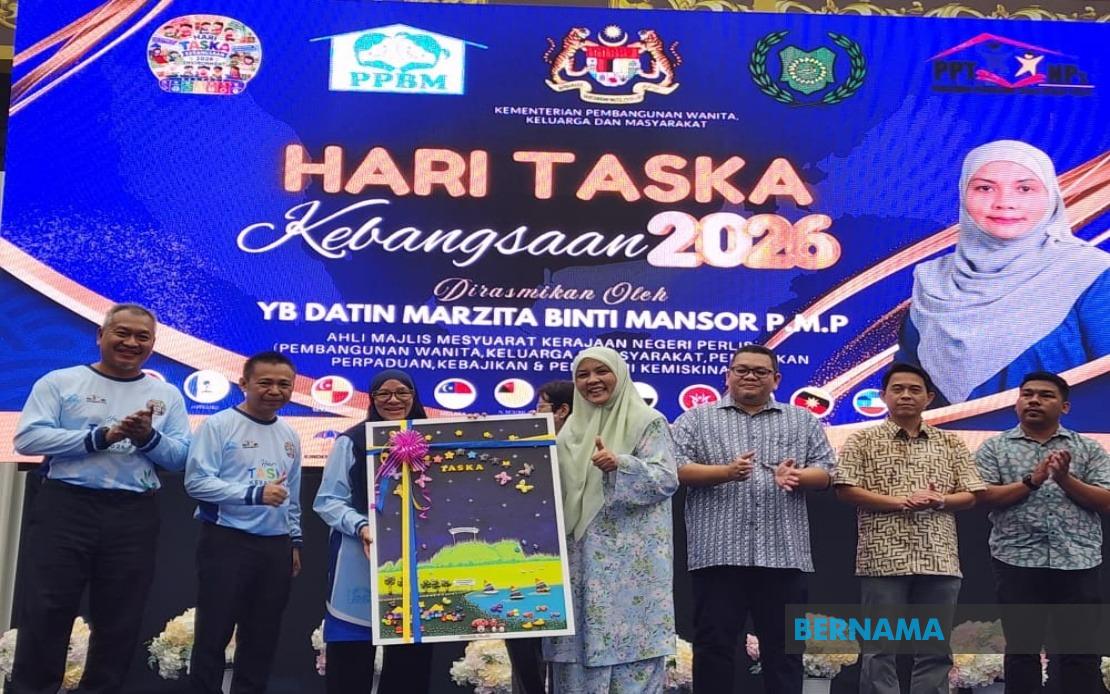
Quality childcare in Malaysia must transcend basic provision of meals and hygiene to encompass the full spectrum of children's rights and dignity, according to leaders marking the nation's 2026 National Childcare Day celebrations. The overarching message emerged during the official ceremony in Kangar, Perlis, where industry advocates stressed that childcare institutions must serve as environments where children are protected, respected, and empowered to develop as individuals with inherent rights.
Adjunct Professor Norsheila Abdullah, president of the Association of Registered Childcare Providers Malaysia (PPBM), articulated a comprehensive vision of quality childcare that extends far beyond conventional definitions. She emphasized that genuine quality encompasses emotional support, positive relational dynamics, enriched learning experiences, and unwavering respect for each child's inherent worth. This broader framework represents a fundamental shift from purely custodial approaches to holistic child development models that acknowledge children as rights-bearing individuals rather than passive recipients of care.
The annual celebration, themed "The Environment as a Driver of Holistic Child Development," was officially launched by Datin Marzita Mansor, chairman of the Perlis Women, Family and Community Development, Education, Unity, Welfare and Poverty Eradication Committee. The choice of theme underscores growing recognition in Malaysia that physical surroundings and social environments profoundly influence developmental outcomes during the critical early childhood years. Creating such supportive ecosystems requires intentional design and consistent commitment from all stakeholders involved in child welfare.
A central tenet of Abdullah's message concerned the implementation of Convention on the Rights of the Child (CRC) principles within practical childcare settings. Rather than treating the CRC as merely aspirational international doctrine, she called for concrete translation into daily practices and institutional policies. This demands rigorous assessment frameworks that move beyond asking whether children have received basic care to examining whether they have been genuinely protected, heard, respected, and granted space to flourish as developing individuals with agency and dignity.
The PPBM leadership further advocated for an inclusive approach encapsulated in the principle of "no child left behind." This concept challenges childcare providers to develop responsive systems that acknowledge and accommodate the diverse developmental needs present within any given cohort of children. Implementing inclusivity requires additional training, resource allocation, and individualized attention for children requiring specialized support, whether due to developmental delays, learning differences, behavioral challenges, or other circumstances affecting their care and education.
Safeguarding remains paramount within this expanded framework of quality childcare. Abdullah emphasized that protection mechanisms must operate continuously and vigilantly, with all caregivers maintaining awareness of potential signs indicating abuse, neglect, or safety compromises. Establishing protective environments demands clear reporting protocols, trauma-informed practices, and systematic checks that prioritize children's physical and psychological safety without compromise. This protective mandate extends to the broader community of childcare providers, parents, and institutional administrators who collectively bear responsibility for children's welfare.
The connection between early childhood environments and long-term developmental trajectories has become increasingly evident through research in neuroscience and developmental psychology. Children cultivated within genuinely safe and caring environments demonstrate measurably stronger foundations across multiple dimensions: physical health, emotional regulation, social competence, cognitive capacity, language acquisition, and moral character formation. These early investments in protective, nurturing care yield compounding returns throughout childhood, adolescence, and into adulthood, fundamentally shaping individuals' capacity for healthy relationships, productive citizenship, and personal flourishing.
For Malaysia specifically, the implications of prioritizing quality childcare extend beyond individual children to national competitiveness and social cohesion. As the country pursues economic advancement and social development, early childhood represents a critical intervention point with demonstrable returns on public and private investment. Nations that systematically invest in quality early childhood development experiences consistently outperform peers on metrics ranging from educational achievement to reduced crime rates to improved health outcomes. Conversely, inadequate childcare environments perpetuate cycles of disadvantage that prove far more costly to remediate later through interventions in primary education, special services, or criminal justice systems.
The PPBM's advocacy reflects growing momentum across Southeast Asia toward recognizing childcare as a fundamental infrastructure supporting both individual families and broader national interests. Malaysia's regional positioning requires ensuring that childcare quality standards align with international best practices while remaining culturally relevant and contextually sensitive to Malaysian family structures, values, and community networks. This balance between universal child development principles and local adaptation remains a persistent challenge in policy implementation.
Stakeholder engagement emerged as essential to translating these ideals into practice. Abdullah's call for shared responsibility among childcare providers, parents, families, communities, and society acknowledges that quality childcare cannot be achieved through provider efforts alone. Parents require support navigating childcare choices and maintaining continuity of care approaches between home and institutional settings. Communities must recognize early childhood development as a collective responsibility rather than purely private family concern. Government agencies responsible for regulatory oversight, training, and resource allocation must align policies with rights-based approaches.
The selection of Perlis as the venue for National Childcare Day celebrations holds particular significance, as it reflects commitment to addressing childcare quality across diverse Malaysian contexts rather than concentrating initiatives in major urban centers. Rural and less developed regions often experience acute shortages of quality childcare options, limiting parental employment opportunities and affecting children's developmental outcomes. Bringing national attention to childcare standards in Perlis signals recognition that quality childcare represents a nationwide imperative rather than an urban luxury.
Moving forward, the challenge lies in translating these articulated principles into concrete operational changes within Malaysia's childcare sector. This requires developing measurable quality standards that reflect rights-based frameworks, establishing training and certification programs ensuring providers understand child development and safeguarding, allocating financial resources sufficient for adequate staffing ratios and facility maintenance, and creating accountability mechanisms that monitor compliance. The business model for childcare provision must enable operators to implement quality improvements without unaffordable fee increases that place services beyond reach for lower-income Malaysian families.

