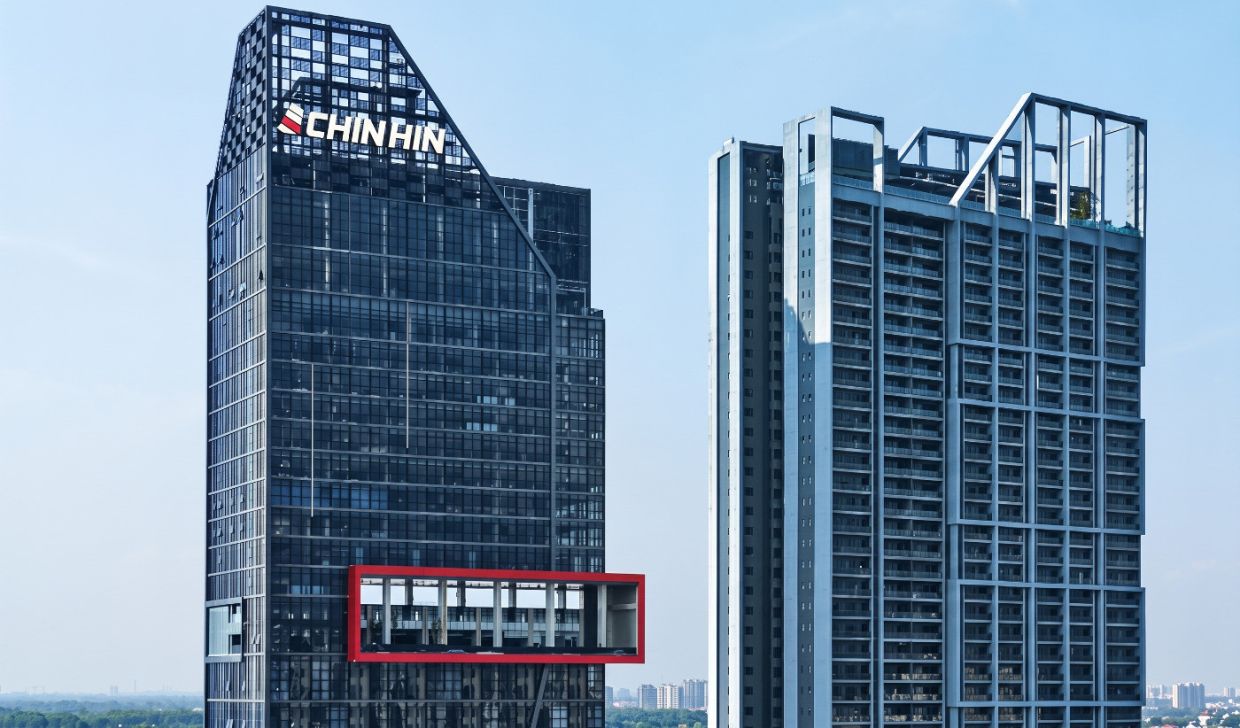
Malaysian property developer CHGP has announced a RM455 million acquisition of freehold land in Kuala Lumpur's premium KLCC commercial district, marking a significant expansion of its development portfolio in one of the nation's most sought-after business precincts. The company disclosed the transaction through a Bursa Malaysia filing, detailing a structured payment arrangement combining cash and equity instruments to complete the purchase.
The acquisition will be funded through multiple channels, reflecting a balanced approach to capital deployment. CHGP will contribute RM409.5 million in cash, while issuing 455,000 redeemable preference shares valued at RM45.5 million through its subsidiary Chin Hin Property (JSI) Sdn Bhd. The transaction structure also includes 25,000 ordinary shares priced at RM1 each transferred to the vendor. This layered financing approach demonstrates careful financial planning, as the company seeks to preserve cash reserves while utilising equity instruments to complete the transaction. Chin Hin Property (JSI) is held 70 percent by BKG Development Sdn Bhd, which itself is entirely owned by CHGP, establishing clear corporate governance and ownership structures within the acquisition framework.
The strategic location represents a cornerstone attraction for CHGP's investment thesis. Situated along Jalan Sultan Ismail directly opposite the Concorde Hotel Kuala Lumpur, the parcel occupies prime real estate within the established Golden Triangle commercial and hospitality zone. The immediate surroundings include established office complexes, upscale hotels, retail destinations and essential public amenities, positioning the site at the convergence of multiple business and leisure activities. This concentration of commercial infrastructure creates inherent value, as tenants and visitors to the district already possess established patterns of movement through the area.
Development potential forms the economic foundation justifying CHGP's investment outlay. The land carries an approved development order permitting mixed-use projects with a generous plot ratio of 15.99, enabling substantial built-up space relative to the site's footprint. This regulatory approval removes significant development risk, as the developer need not navigate lengthy planning processes or face uncertainty regarding permissible density. For investors evaluating Malaysian property opportunities, such pre-approved orders substantially reduce project timelines and enhance predictability of returns. The combination of generous floor-space allowance and dual-use permissions creates flexibility for the developer to respond to market demand, whether favouring office, retail, hospitality or residential components.
CHGP's board emphasises the scarcity value underpinning the acquisition. Prime commercial land suitable for large-scale mixed-use projects has become increasingly scarce within the KLCC precinct, as most available sites have been developed or remain held by long-term investors. This supply constraint typically strengthens land values over time, particularly in established business districts where regulatory frameworks and infrastructure are already mature. For Malaysian developers, such acquisitions represent plays on urban scarcity rather than speculative bets on emerging areas. The KLCC region's established status as Malaysia's premier business district means future value accretion will stem primarily from redevelopment potential and densification rather than locational discovery.
The transaction aligns with CHGP's stated growth strategy to expand its land reserves in prime locations. Property developers must continuously replenish their landbanks to sustain development pipelines, replace completed projects and position themselves for long-term growth. By acquiring substantial freehold land in KLCC, CHGP secures an asset that generates development optionality and potential rental income if the company delays active construction. The approved development order essentially transforms the raw land into a partially de-risked development asset, rather than speculative real estate. This distinction matters significantly for Malaysian investors evaluating CHGP's strategic positioning relative to competitors.
The acquisition reflects broader trends in Malaysian property development, where established developers increasingly prioritise quality over quantity in landbank accumulation. Rather than assembling large parcels in emerging locations, sophisticated developers now focus on concentrated positions in proven precincts where infrastructure maturity, regulatory certainty and tenant demand are demonstrated. The KLCC area epitomises this preference, as decades of sustained development have created a critical mass of businesses, workers and visitors that generates sustained demand for commercial space. For Malaysian and regional institutional investors, such concentrated real estate plays offer lower execution risk than dispersed geographical holdings.
Long-term earnings enhancement constitutes the primary benefit CHGP anticipates from this acquisition. Beyond immediate development value, the site's prominent location on Jalan Sultan Ismail creates recurring rental income potential if the developer retains portions of the completed project. Commercial space in KLCC commands premium rents relative to other Malaysian business districts, reflecting the area's established status and tenant demand. CHGP's strategic positioning in this district could enhance investor perceptions of the company's quality and growth trajectory. For Malaysian fund managers evaluating property sector exposure, such acquisitions signal management's confidence in long-term market fundamentals and their ability to execute large-scale projects in competitive environments.
The transaction occurs within a broader context of Malaysian property sector consolidation, where capital availability increasingly determines winners and losers. CHGP's capacity to deploy RM455 million for a single land acquisition reflects either strong cash generation from existing operations or confident access to capital markets. This financial flexibility enables larger developers to capture strategic opportunities that smaller competitors cannot afford, gradually concentrating development capacity among established players. For regional investors monitoring Malaysian real estate dynamics, such capital deployment patterns offer indicators of sector health and competitive positioning among major developers.

