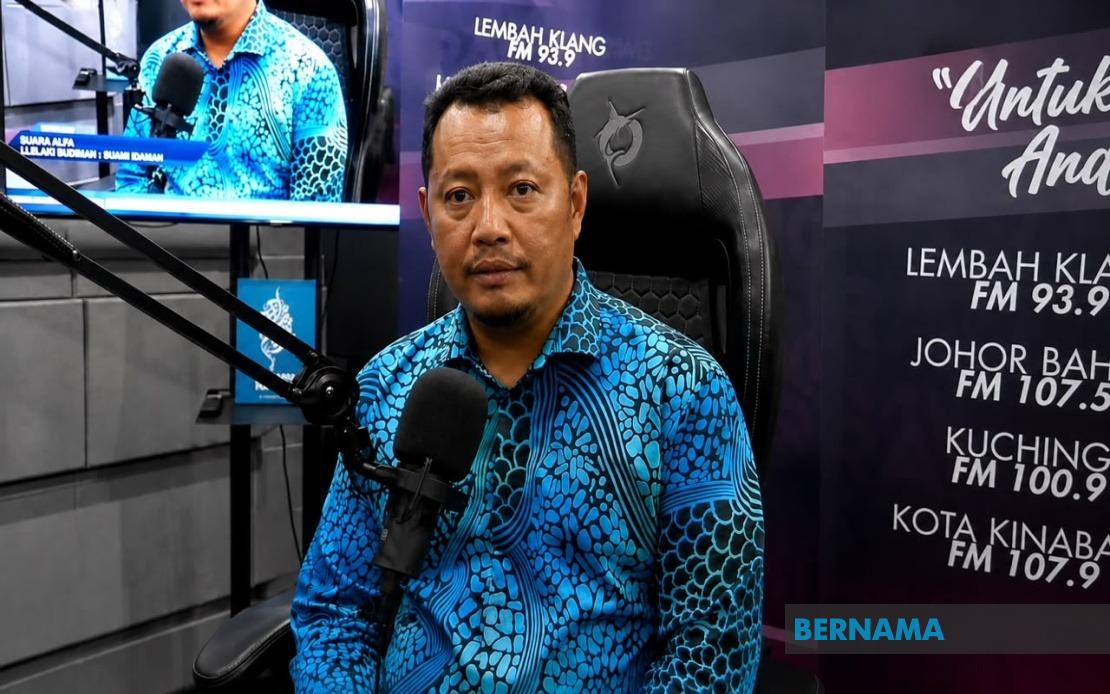
The foundation for raising responsible and gentlemanly men must be laid during the formative years of childhood and adolescence, according to the National Population and Family Development Board (LPPKN). Speaking on a recent episode of Bernama Radio's Suara Alfa programme, Md Noh Saiman, chief assistant director of LPPKN's Counselling and Intervention Unit, underscored how parental influence and family dynamics directly shape the character traits that boys develop as they grow into adulthood.
Parenting styles emerge as the primary architect of masculine identity, with the examples set by mothers and fathers serving as the blueprint for how young men will eventually conduct themselves in their own households and within broader society. Md Noh emphasized that children absorb and internalize the behaviours, values, and attitudes they witness daily within their family environment, making the domestic sphere the first and most influential classroom. This observation carries particular weight in Malaysian society, where extended family structures and intergenerational living arrangements remain common, amplifying the reach of parental and elder role modelling.
The concept of a true gentleman, Md Noh clarified, extends well beyond surface-level courtesy or romantic gestures that popular culture often portrays. Instead, it encompasses deeper qualities such as genuine sincerity, unwavering honesty, and the capacity to assume responsibility without expectation of recognition or public acclaim. This redefinition challenges the often-superficial presentation of masculinity in media and advertising, offering Malaysian men a more substantive framework for self-improvement and personal development. The distinction matters significantly in a region where traditional notions of male responsibility increasingly intersect with modern expectations around shared domestic duties and emotional availability.
Practical contributions to family welfare represent one concrete manifestation of responsible manhood that Md Noh highlighted. When husbands actively participate in household management, childcare, and family decision-making, they do more than lighten the burden on their spouses—they model for their own children, particularly sons, what genuine partnership and shared responsibility look like. This active engagement stands in contrast to more traditional divisions of labour where domestic matters remained exclusively women's domain, a pattern that has begun shifting across urban Malaysian households.
The ripple effects of such supportive partnerships extend beyond the immediate family unit. When women receive substantial backing from their spouses in managing household responsibilities, they gain the freedom and mental space to pursue professional ambitions and personal goals with greater confidence and focus. This dynamic creates a positive feedback loop where empowered women contribute more fully to their careers and communities, while children benefit from witnessing both parents modelling commitment to growth and contribution. For Malaysia's development goals, particularly in sectors where female participation remains critical, such partnerships become economically and socially significant.
The Lelaki Idaman Programme initiated by LPPKN serves not merely as a recognition scheme for men who already embody these qualities, but rather functions as a transformative platform for those genuinely committed to personal evolution and improvement. Md Noh stressed that maturity includes the psychological capacity to receive constructive criticism without defensiveness, viewing feedback as an opportunity for refinement rather than personal attack. This emphasis on receptiveness to growth proves crucial in contemporary Malaysia, where rapid social change and evolving gender relations sometimes create friction between traditional expectations and modern realities.
The digital landscape has fundamentally altered how Malaysians, particularly younger generations, construct their understanding of ideal manhood. Social media platforms and online content streams expose both men and women to an overwhelming array of competing definitions of what constitutes an ideal gentleman. Some presentations emphasize material success and dominance, others highlight emotional intelligence and vulnerability, while still others peddle problematic stereotypes. Md Noh's acknowledgement of social media's pervasive influence reflects a recognition that building character in the contemporary era requires navigation through a far more complex and fragmented information environment than previous generations faced.
The strengthening of family institutions emerges as intertwined with the development of responsible masculinity, creating a circular relationship between personal character development and social stability. When men internalize values of support, accountability, and genuine partnership, they lay the groundwork for more harmonious family relationships. These foundations matter not merely for individual happiness but for the broader social fabric, as Malaysian society continues grappling with challenges related to family breakdown, domestic conflict, and changing role expectations. The argument suggests that investing in masculine character development represents a preventative approach to addressing family-related social problems.
Malaysia's multicultural and multi-religious context adds particular complexity to discussions of gentlemanly conduct and masculinity. Different cultural and religious traditions within the country maintain distinct frameworks for understanding male responsibility and family roles. LPPKN's emphasis on universal principles—sincerity, honesty, responsibility—offers common ground across these traditions while respecting legitimate cultural diversity in how these principles manifest in daily life. This inclusive approach proves essential for building national consensus around shared values of responsible manhood.
The timing of LPPKN's emphasis on early character development aligns with broader global research on neuroplasticity and childhood development, which confirms that personality formation and value internalization occur most readily during childhood and adolescence. Malaysian parents, educators, and policymakers thus face a compelling case for prioritizing family support programmes, parenting education, and mentorship initiatives. The investment in preventing problematic masculinity from taking root—through positive early exposure to exemplary male role models—costs considerably less than attempting to remediate entrenched behavioural patterns in adulthood.
Looking forward, the challenge for Malaysia involves translating such messages from government agencies into concrete shifts in household practices and social norms. While programmes like Lelaki Idaman provide platforms for discussion and recognition, sustaining behavioural change requires engagement with men across all socioeconomic levels and educational backgrounds. The observation that character development is fundamentally a family matter suggests that any serious effort must involve not just individual men but mothers, fathers, and entire family systems in rethinking what responsible masculinity means and how it is cultivated.

