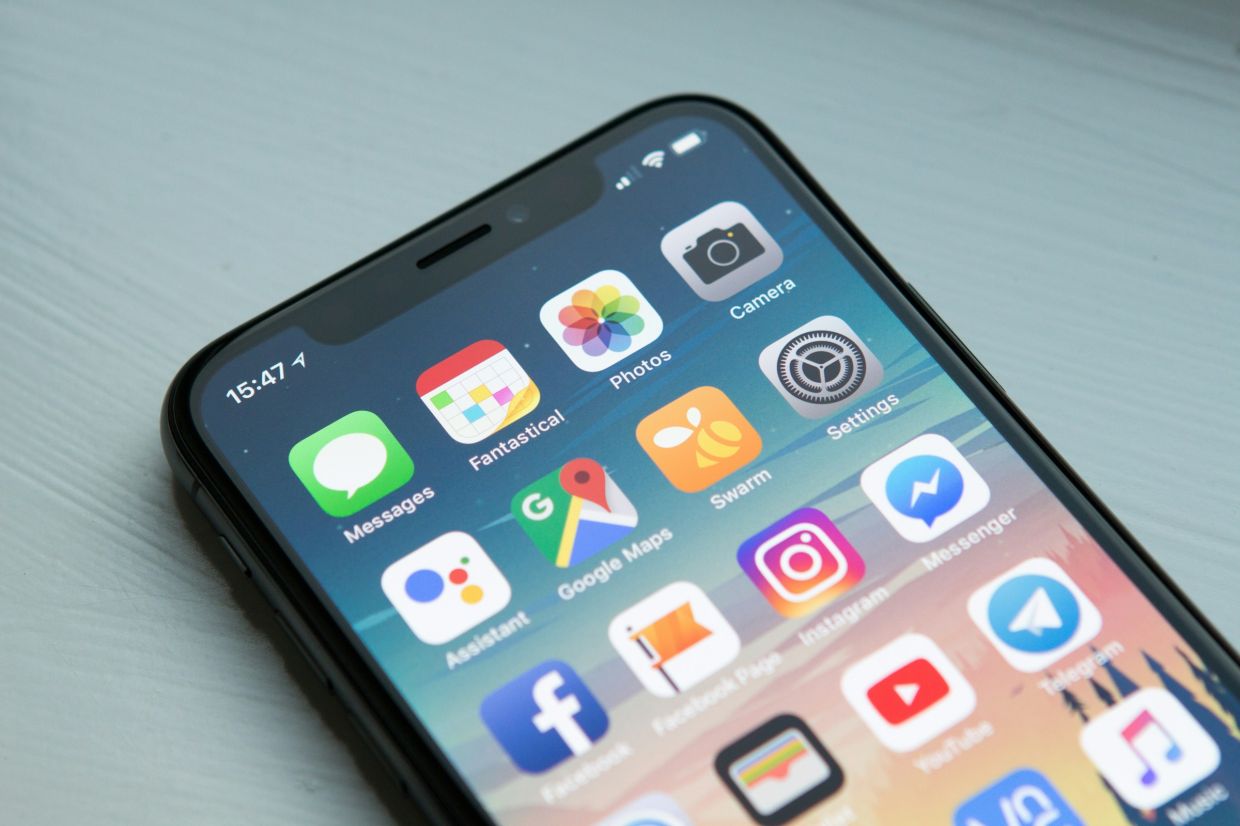
A major Canadian cybersecurity company has taken legal action against a former employee and a competing firm, accusing them of wrongfully sharing classified information about a hidden weakness in Apple iPhones. Magnet Forensics Inc filed the lawsuit in Georgia's federal court, naming former contractor Mario Del Gaudio and Paradigm Shift Technology SL as defendants, claiming they publicly revealed details of a previously undiscovered vulnerability in iPhone processors worth millions to government customers worldwide.
The case exposes a rarely visible dimension of the digital security landscape: the market for zero-day exploits. These are software flaws unknown to security researchers and device manufacturers—technically giving defenders "zero days" to patch them before exploitation. Magnet and Paradigm Shift both specialise in developing these tools specifically for government purchase, selling access to law enforcement agencies and intelligence services. The tools enable investigators to unlock and retrieve data from iPhones that would otherwise resist forensic analysis, proving invaluable in criminal investigations and national security operations.
According to court filings released on July 7, the vulnerability in question affected Apple's A12 and A13 chipsets, models found in widely used iPhone configurations. Magnet claims it had developed proprietary techniques to exploit this flaw, creating a significant competitive advantage and valuable asset for its government clientele. The company argues that this technical capability represented years of research investment and represented a cornerstone of its market position. When the weakness was made public, Magnet maintains, it immediately alerted Apple to the problem and rendered the exploit useless for future investigations, destroying the tool's commercial value.
The dispute traces back to June, when Paradigm Shift Technology published detailed research on a zero-day flaw in the same iPhone chips. Del Gaudio, who held the position of iOS exploit engineer at Magnet, had spent months working directly on this identical vulnerability during his tenure with the firm. Magnet's lawsuit contends that Del Gaudio participated in the Paradigm Shift research effort, effectively transferring his knowledge and discoveries to a direct competitor. The company claims this constituted a material breach of the employment contract Del Gaudio signed, which presumably contained confidentiality and non-compete clauses standard in the cybersecurity industry.
Magnet's legal strategy has included sending multiple cease-and-desist letters demanding the removal of the published research. However, the technical documentation remains publicly accessible online, and neither Del Gaudio nor his legal representatives have provided statements regarding the allegations. Paradigm Shift Technology similarly declined to comment on the lawsuit. Apple, whose iPhone security was fundamentally compromised by the disclosure, also refrained from public response, though the company's engineers would certainly be prioritising a software patch to address the exposed vulnerability.
The financial stakes involved underscore the intensity of competition in this niche sector. Magnet Forensics was acquired in 2023 by private equity firm Thoma Bravo for US$1.3 billion, reflecting the substantial value placed on its technical capabilities and government relationships. The firm maintains partnerships with more than 6,000 public and private sector customers across 100 countries, making it a dominant player in forensic intelligence tools. For such a company, the loss of even a single zero-day exploit to a competitor represents a serious blow to competitive positioning and revenue potential.
For Malaysian readers and Southeast Asian observers, this case carries broader implications for cybersecurity governance and data protection. Governments across the region increasingly rely on forensic tools like those Magnet develops to investigate crimes, from financial fraud to terrorism. The leaked vulnerability raises questions about how countries should evaluate and procure such sensitive technology, particularly regarding intellectual property protections and supply chain security. If tools can be compromised through employee turnover or information sharing, the fundamental reliability of government investigations may be at risk.
The incident also illustrates the precarious balance between innovation incentives and national security. Zero-day markets exist because they generate enormous profits—tools that give governments months or years of exclusive investigative advantage before vendors must patch vulnerabilities. Yet this profit motive can incentivise employees to move between firms, potentially carrying valuable secrets with them. The cybersecurity industry's rapid growth and talent competition make such leakage increasingly likely without strong legal and contractual frameworks.
The case draws uncomfortable parallels to a more serious incident that emerged in 2025, when a former military contractor employed by L3Harris Technologies pleaded guilty to stealing and selling offensive hacking tools to Russian operatives. That contractor received a prison sentence exceeding seven years, illustrating the criminal penalties that can attach to such conduct. Magnet's civil lawsuit differs in approach but reflects similar underlying concerns: that valuable government technology can be compromised by insiders, potentially falling into hostile hands or reaching competitors who may be less scrupulous about oversight.
Looking ahead, the lawsuit's outcome could establish important legal precedent regarding trade secret protection in the cybersecurity sector. Courts will need to determine whether Del Gaudio's actions constituted sufficient transfer of proprietary information to constitute breach of contract, and whether Paradigm Shift Technology bears liability for receiving and publishing information it should have recognised as confidential. These determinations will shape how cybersecurity firms structure employee agreements and how aggressively they can pursue allegations of intellectual property theft.
The research published by Paradigm Shift remains accessible online, suggesting that even if Magnet prevails in its lawsuit, the practical damage is already complete. Apple will almost certainly patch the vulnerability in upcoming iOS releases, potentially within weeks. This reality highlights a fundamental weakness in the zero-day market: once disclosed, the vulnerability loses all value, regardless of legal judgments. For Magnet, financial damages in court may provide some compensation, but they cannot restore the exclusive investigative advantage the tool once provided.

