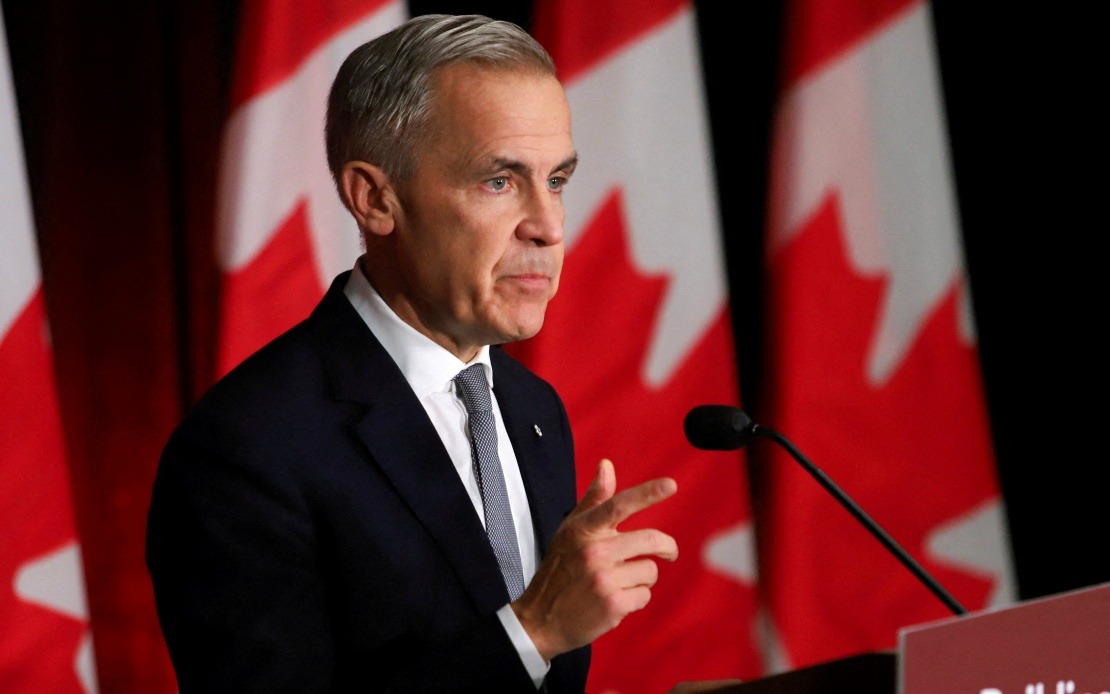
Canadian Prime Minister Mark Carney confirmed on Tuesday that he had held direct discussions with US President Donald Trump, resulting in a mutual commitment to accelerate trade negotiations over the coming weeks. Speaking after the phone call, Carney expressed readiness to engage in substantive talks with the American administration, signalling Ottawa's determination to resolve the escalating commercial dispute through dialogue rather than retaliatory action.
The diplomatic outreach comes in the immediate aftermath of Trump's Monday announcement of sweeping tariff increases targeting Canadian merchandise. The US administration signed three separate proclamations imposing an additional 50 per cent levy on a carefully selected basket of goods, alleging that Canada has engaged in discriminatory practices against American commerce. The timing and scope of these measures underscore Washington's hardline posture on bilateral trade relations and its willingness to use tariff mechanisms as leverage in broader negotiations.
The specificity of the tariff regime reveals Washington's strategic approach to commercial pressure. Energy products, potash, fish and critical minerals have been explicitly exempted from the new duties, suggesting that the Trump administration is calibrating its actions to preserve certain supply chains while maximizing pressure on sectors where Canadian exporters maintain significant market share. The 50 per cent ad valorem duties will apply to dairy products, alcoholic beverages, motor vehicles and related goods, sectors in which Canada holds considerable export interests and political sensitivity within specific provinces.
The tariffs are scheduled to take effect on August 19, providing a compressed timeframe for negotiations before the measures become operational. This implementation timeline appears designed to create urgency and concentrate both governments' attention on resolving outstanding trade disagreements before economic damage accumulates. For Canadian industries dependent on preferential American market access, the approaching deadline represents an existential threat that could reshape supply chains and production decisions throughout North America.
Carney's response to the tariff announcement emphasized legal and procedural objections, positioning Canada's complaint within the framework of the Canada-United States-Mexico Agreement. By characterizing Trump's actions as unilateral violations of an existing trilateral trade treaty, Ottawa is attempting to anchor its position in established international commercial law rather than engaging in tit-for-tat escalation. This legalistic framing reflects the Canadian government's preference for rules-based resolution and its appeal to multilateral trade principles.
The prospect of retaliatory measures remains on the table should negotiations falter. Carney explicitly stated that Canada would evaluate all available response options, though he stopped short of detailing specific countermeasures. This measured language suggests that Ottawa is preserving flexibility while signalling determination to protect its economic interests. Given Canada's economic dependence on bilateral trade with the United States, any retaliatory package would likely target politically sensitive American exports and industries to maximize pressure on Washington without triggering broader economic damage to Canadian consumers and businesses.
For Malaysian observers and regional traders, this Canada-US dispute carries significant implications. The trajectory of North American trade relations influences global commerce patterns and investor confidence across multiple sectors. If tariff escalation continues, it could trigger broader protectionist measures that extend beyond bilateral disputes, potentially affecting Southeast Asian exporters who supply components to North American manufacturing hubs. The automotive sector, in particular, represents a critical juncture where North American tariff policies directly impact global supply chain competitiveness and investment allocation.
The exemption of critical minerals from Canadian tariffs carries particular weight given growing geopolitical competition for these commodities. The Trump administration's decision to protect this category suggests recognition of supply security concerns and the strategic importance of Canadian mining production. This carve-out may reflect a broader calculation that maintaining access to critical mineral supplies takes precedence over maximizing tariff revenue, indicating where Washington's true leverage points and priorities lie in continental trade arrangements.
Canada's negotiating position, while constrained by its asymmetric economic relationship with the United States, retains certain advantages. As a primary supplier of energy resources, minerals, and intermediate goods essential to American manufacturing, Canada possesses genuine leverage in bilateral discussions. Moreover, the recent political transition in Canada, with Carney's government appearing more assertive on trade matters, may signal a shift toward more forceful advocacy for Canadian interests compared to previous administrations.
The coming weeks will prove decisive in determining whether these initial diplomatic overtures can translate into substantive progress. Both leaders face domestic constituencies with strong views on trade policy—American manufacturers demanding protection, Canadian resource industries and exporters demanding market access. The success of intensified negotiations will depend on whether both sides can identify compromise positions that address core concerns while allowing each government to claim victory to domestic audiences. The August 19 implementation date creates natural pressure points for agreement, though it also raises the stakes if negotiations ultimately prove unsuccessful.

