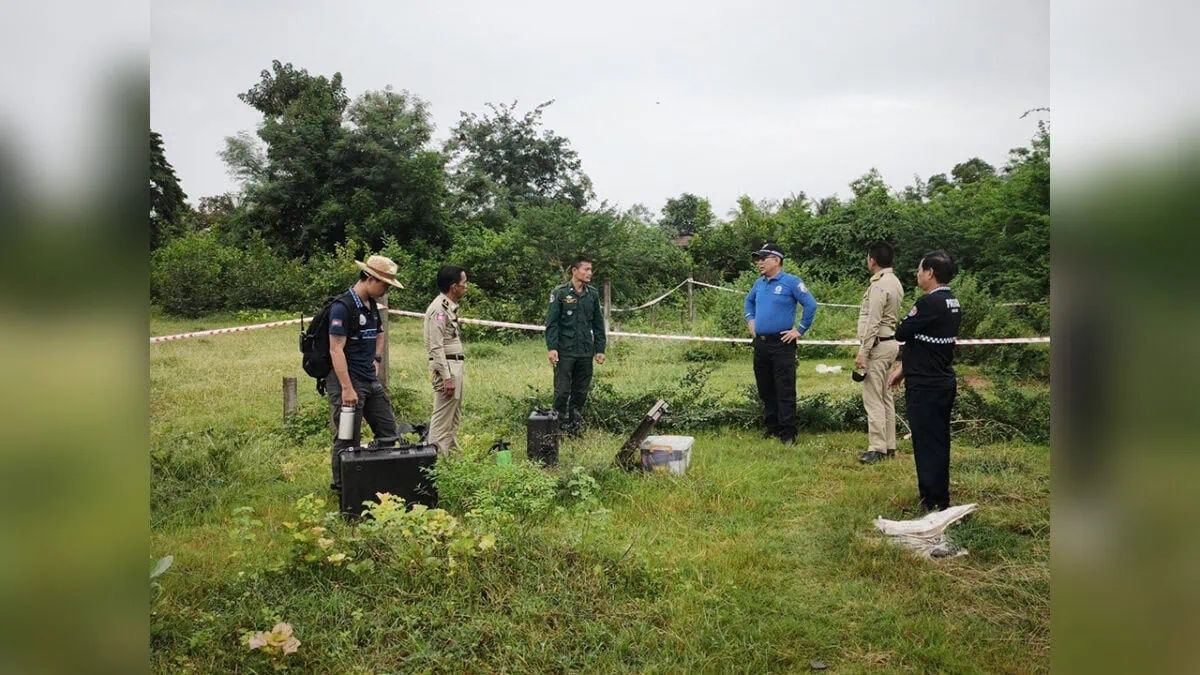
Cambodian law enforcement and the Child Protection Unit have launched parallel investigations into two separate child homicide cases following the grim discovery of two young bodies in Banteay Meanchey province on July 28. The Cambodian National Police, working in coordination with the CPU and the Minister of Interior's Department of Technical and Scientific Police, have mobilised forensic and investigative resources to pursue both cases, which authorities have determined are unrelated despite occurring on the same day in the same province.
The first discovery came at approximately 8am in Mongkol Borei district, where the body of a 15-month-old child was recovered from a pond. Hours later, in a separate incident occurring the same morning, authorities located the body of a five-year-old child in Teuk Thla commune. The older child had been reported missing three days earlier, on July 25, intensifying the urgency of the search that ultimately ended in tragic circumstances. The simultaneous nature of both discoveries underscores the challenges facing regional law enforcement in a province that has experienced documented concerns regarding child welfare and safety.
In an official statement released on August 3, more than a week after the initial discoveries, the Child Protection Unit confirmed that forensic examinations and preliminary investigative work had established both incidents as separate homicide cases requiring distinct investigative tracks. This distinction is significant, as it suggests authorities identified differing circumstances and potentially unrelated perpetrators rather than a single incident with multiple victims. The classification as independent cases allows investigators to pursue separate leads and evidence chains without conflating potentially unrelated criminal conduct.
James McCabe, director of the Child Protection Unit, issued a statement reaffirming the commitment of Cambodian authorities to pursue comprehensive and professional investigations into both deaths. He emphasised that all necessary investigative resources and capabilities would be deployed to ensure both homicide inquiries proceed to their fullest extent, language suggesting a determination to bring cases to prosecution if evidence warrants charges. McCabe's public commitment reflects international pressure on Cambodia to address child protection concerns, particularly given the presence of the CPU as a specialist unit operating within Cambodia's law enforcement framework.
The involvement of multiple investigative agencies—the national police, provincial authorities, and the technical and scientific police department—indicates recognition of the gravity and complexity of child homicide investigations. Such cases require forensic expertise, crime scene analysis, and methodical evidence gathering that typically demands coordination across different police divisions. The deployment of these resources suggests authorities are treating both incidents with appropriate seriousness rather than minimal investigation.
For regional observers, these incidents illuminate ongoing child protection challenges within Cambodia. While Banteay Meanchey is a northwestern province bordering Thailand, such cases reflect vulnerabilities affecting children in less-monitored areas where poverty, limited resources, and sometimes weak enforcement can create dangerous environments. The discovery mechanism itself—bodies found in ponds and communes rather than reported by witnesses or family—suggests possible concealment, raising questions about how these children came to harm and whether warning signs were missed by community members or officials.
The CPU's explicit statement that both cases are unrelated serves partly as reassurance to a potentially alarmed public in Banteay Meanchey and beyond. Confirmation that investigators are not pursuing a single perpetrator responsible for both deaths may help contain community panic. However, the coincidental timing and proximity of discoveries have inevitably generated concern about child safety in the province, prompting questions about whether authorities have adequate presence and resources to prevent future tragedies.
Authorities' decision to withhold further operational details while investigations proceed follows standard practice in ongoing criminal cases, protecting investigative integrity and avoiding prejudicial publicity that might compromise prosecutions. However, this information vacuum creates space for speculation and rumour, particularly in communities where transparency regarding child protection investigations is limited. The balance between operational confidentiality and public assurance remains perpetually difficult in high-profile cases, especially those involving vulnerable victims.
McCabe's explicit warning that anyone found involved in either death would face prosecution underscores Cambodia's stated commitment to accountability in child homicide cases. This public declaration may be intended to deter potential obstruction or cover-ups, while signalling to families and communities that investigations will not be abandoned or concluded prematurely. The involvement of the CPU, which operates as a specialist child protection entity, suggests institutional mechanisms exist within Cambodia's security apparatus specifically designed to address crimes against children, though effectiveness ultimately depends on adequate funding, training, and political will.
These investigations occur within a broader Southeast Asian context where child protection remains an ongoing challenge across multiple countries. Cambodia has faced scrutiny from international child welfare organisations regarding protection mechanisms, institutional capacity, and sometimes insufficient investigation into child deaths. These two cases, now receiving official investigative attention and public acknowledgment, represent instances where institutional response mechanisms have been activated, though ultimate outcomes—whether investigations culminate in prosecutions and convictions—will determine whether the system functions effectively in delivering justice.
The message extended by authorities to the families of both children acknowledged the tragedy while reaffirming commitment to securing justice. This language reflects recognition that bereaved families require both practical investigation of circumstances surrounding their children's deaths and assurance that perpetrators will face accountability. For a province like Banteay Meanchey, where news of such discoveries can reverberate through communities and potentially affect perceptions of safety, the visible engagement of multiple investigative agencies and public statements from senior officials may provide some measure of reassurance that deaths of this nature are not ignored or minimised by authorities.

