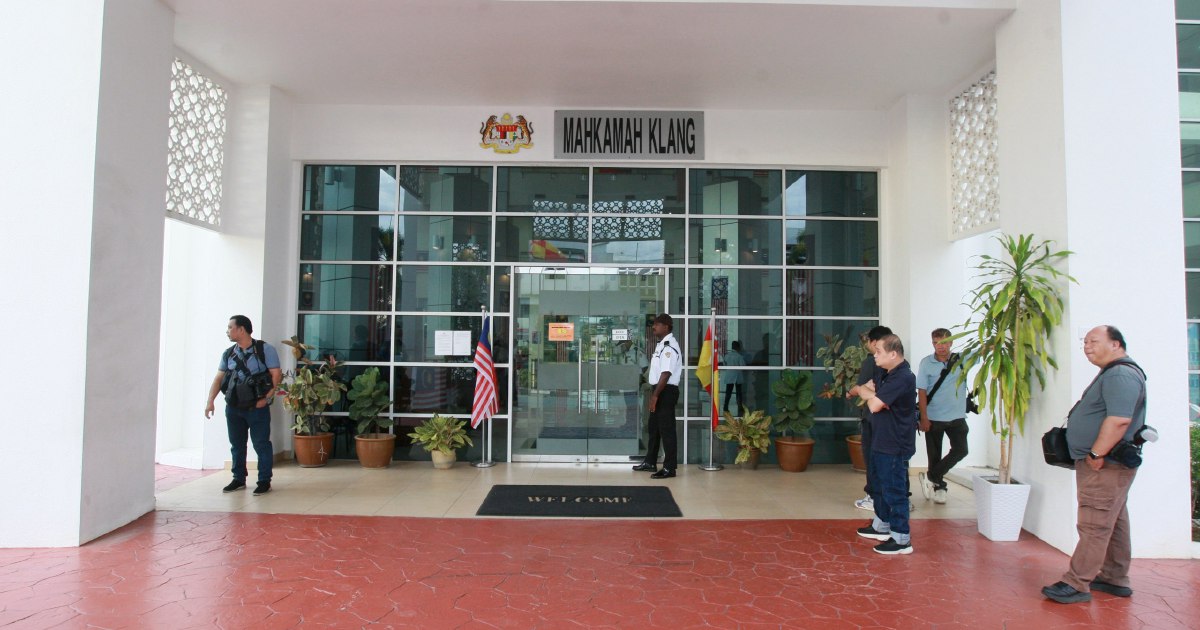
The morning session at Klang Sessions Court unfolded without incident as a 24-year-old man accused in the death of Rocky, a dog that captured public attention, prepared to face formal charges. The surroundings of the courthouse remained notably subdued, with security operations proceeding smoothly despite the high-profile nature of the case that has drawn considerable public concern and media scrutiny across Malaysia.
The case involving Rocky's death has struck a chord with Malaysians, reflecting broader societal concerns about animal welfare and the treatment of pets. The incident gained traction on social media and news platforms, prompting discussions about responsibility and legal accountability in cases involving animals. The prospect of charges being filed represents a significant development in what has become one of the more notable animal-related legal proceedings in recent memory.
The courthouse precinct, typically a focal point for gathering when high-profile cases come before the courts, saw controlled foot traffic throughout the morning. Law enforcement maintained a visible but measured presence, ensuring that proceedings could advance without disruption while managing any public interest in the case. The measured approach reflected the sensitive nature of proceedings while balancing transparency with security considerations.
Malaysia's legal system has increasingly recognized the importance of animal welfare protections, with the Animal Welfare Act 2015 providing a statutory framework for addressing cases of animal cruelty and neglect. The prosecution of individuals connected to animal deaths represents an important application of these legal provisions, signalling to the public that courts take such matters seriously. Cases like Rocky's underscore the evolution of legal attitudes towards animal treatment in the country.
The formal charging process marks a transition from investigation to adjudication, where evidence compiled by authorities will be tested in a judicial setting. The specifics of the charges and the evidence supporting them will become clearer as proceedings advance through the court system. This stage is crucial in determining the trajectory of the case and what potential outcomes may emerge for the accused individual.
Public engagement with animal welfare cases has intensified significantly in recent years, driven partly by increased social media connectivity and growing awareness of pet ownership as a responsible undertaking. The Rocky case exemplifies how incidents involving animals can mobilize public opinion and place scrutiny on the legal system's capacity to address such matters adequately. This heightened awareness has prompted conversations about preventive measures and education regarding proper animal care.
The Klang Sessions Court, one of the busier judicial venues in Selangor, regularly handles serious criminal matters. The court's handling of the Rocky case will likely set precedents for how similar animal-related offences are prosecuted in future proceedings. The judicial process unfolding here therefore carries implications extending beyond the individual case to influence broader enforcement patterns and public expectations regarding animal protection.
For animal welfare advocates and organizations across Malaysia and Southeast Asia, this proceeding represents an opportunity to demonstrate the legal system's commitment to protecting vulnerable creatures unable to advocate for themselves. The visibility of such cases can drive legislative improvements and heightened enforcement of existing animal protection statutes. Success in prosecuting animal cruelty cases often encourages greater reporting and public cooperation with authorities investigating suspected violations.
The composed atmosphere at the courthouse this morning stood in contrast to the emotional intensity surrounding the case in broader public discourse. While online platforms and community discussions have been animated, the legal process itself unfolded with procedural regularity, demonstrating the compartmentalization between public sentiment and judicial administration. This distinction is important for maintaining the integrity and perceived fairness of legal proceedings.
As the case progresses through the Malaysian legal system, attention will focus on the evidence presented, the testimony of witnesses, and ultimately the court's application of relevant statutes and precedents. The outcome will carry weight not only for those directly involved but also for the broader question of how seriously Malaysian society and its institutions treat animal welfare concerns. The charges filed today represent a concrete step in that ongoing process of legal accountability.

