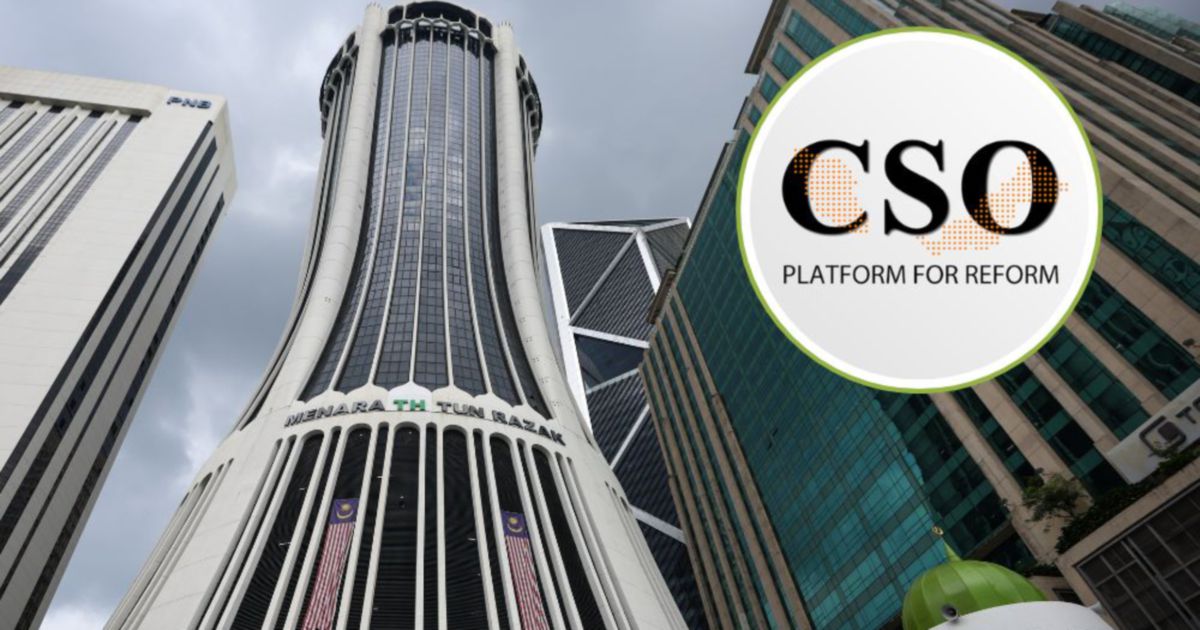
Following the release of the Royal Commission of Inquiry's findings on Lembaga Tabung Haji, the CSO Platform for Reform has intensified calls for a rigorous, independent examination into the pilgrimage fund's institutional shortcomings. The civil society coalition argues that the scale and nature of the failures uncovered warrant more than routine internal reviews, positioning this investigation as crucial to restoring public confidence in an institution that manages the savings of millions of Malaysian Muslims preparing for their religious obligations.
The demand for an independent probe reflects growing concerns that internal accountability mechanisms may prove insufficient given the systemic nature of the problems identified by the RCI. Tabung Haji, as a government-linked institution entrusted with substantial public funds and deep cultural significance for Malaysian Muslims, operates under heightened scrutiny and expectations. When institutional governance falters at such entities, the ripple effects extend beyond financial mismanagement to impact public trust in regulatory frameworks across Malaysia's institutional landscape. The CSO Platform's emphasis on independence signals skepticism about whether existing oversight structures possess adequate authority and impartiality to conduct a thorough reckoning.
The RCI report's findings have apparently exposed fundamental weaknesses across multiple operational domains at Tabung Haji. Rather than isolated incidents or individual misconduct, the pattern suggests structural deficiencies in decision-making processes, risk management, and compliance oversight. For Malaysian civil society organizations, such institutional brittleness at a major financial entity demands transparent investigation mechanisms that can identify root causes, assign accountability, and recommend substantive reforms to prevent recurrence. The preference for an independent body rather than relying on internal reviews or selective parliamentary inquiries underscores the necessity for credible, unfiltered examination.
Tabung Haji's position within Malaysia's financial ecosystem and its cultural-religious function distinguishes it from purely commercial enterprises. The institution manages savings intended for one of Islam's Five Pillars, a responsibility that carries moral weight beyond standard fiduciary obligations. When governance failures occur at such an entity, they represent not merely financial mismanagement but a breach of sacred trust. This dimension makes the question of accountability particularly acute, as many account holders view their contributions through a religious rather than purely transactional lens. Comprehensive independent investigation could help address this deeper legitimacy crisis.
The CSO Platform's intervention reflects broader debates about institutional accountability in Malaysia's governance ecosystem. As civil society actors gain prominence in demanding transparent investigations, they challenge the traditional pattern where major institutional crises were managed through controlled internal processes or limited parliamentary inquiries. This shift toward demanding independent external examination represents a maturation of accountability expectations, particularly when public institutions holding significant assets face serious questions about management and oversight. The platform's stance aligns with international best practices regarding institutional integrity reviews.
Transparency in the investigation process itself becomes paramount given public concern. If the probe were conducted entirely within existing government structures, skepticism about findings' credibility could persist regardless of actual conclusions. An independent mechanism, ideally staffed by reputable external experts and operating under public scrutiny, could provide assurance that investigation processes, as well as outcomes, meet professional standards. This procedural transparency matters as much as substantive findings for restoring institutional credibility.
The call for investigation also carries implications for regulatory oversight frameworks governing similar institutions. The RCI findings may reveal gaps in how regulators monitor financial institutions managing public assets, particularly specialized entities like Tabung Haji that operate within dual regulatory environments—financial regulations and religious trust standards. An independent investigation can illuminate whether regulatory frameworks themselves require modernization, whether oversight agencies possessed adequate resources and authority to identify problems earlier, and how early warning systems might be strengthened across Malaysia's institutional architecture.
For Malaysian Muslims, restoration of confidence in Tabung Haji represents a practical necessity beyond symbolic concerns. Millions of Malaysians depend on this institution to reliably manage their hajj savings. Any perception that the institution has suffered unresolved institutional failures creates anxiety among existing account holders and discourages new savings. An independent investigation that thoroughly examines failures, identifies responsible parties, and articulates clear reform pathways provides necessary assurance that the institution can recover operational integrity and resume fulfilling its essential function within Malaysian Islamic finance and pilgrimage infrastructure.
The CSO Platform's emphasis on comprehensiveness, independence, and transparency establishes a high standard that distinguishes genuine accountability from performative gestures. A truly comprehensive investigation would examine not merely what went wrong but why institutional controls failed to prevent or detect problems. Independence ensures findings cannot be shaped by internal institutional interests or political considerations. Transparency in process and findings creates public confidence and educational value, helping civil society and policymakers understand systemic vulnerabilities that might exist across other institutions. Meeting these standards requires resources, expertise, and institutional autonomy that may necessitate creative institutional arrangements beyond standard government committees.
Looking forward, how Malaysian policymakers respond to this civil society demand will test the country's commitment to institutional accountability. Resisting calls for independent investigation risks appearing defensive and deepening public skepticism. Embracing rigorous external examination, by contrast, could demonstrate commitment to institutional reform and regulatory evolution. The Tabung Haji situation, while specific to one institution, functions as a broader test case for whether Malaysia's governance system can implement accountability mechanisms that meet contemporary standards of transparency and credibility—a question increasingly important as public institutions face heightened expectations globally.

