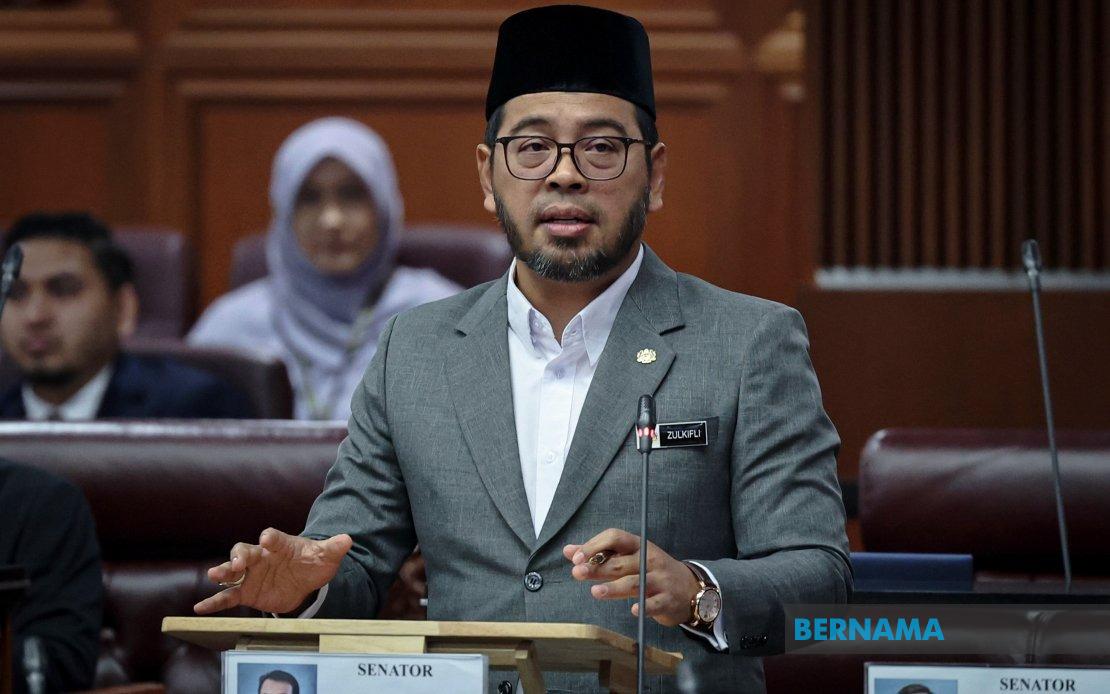
The Malaysian Cabinet is preparing to weigh a proposal that would open the Royal Commission of Inquiry report on Tabung Haji to public scrutiny, according to Dr Zulkifli Hasan, Minister in the Prime Minister's Department (Religious Affairs). The move comes amid persistent questions about how the government rescued the ailing pilgrimage savings fund, particularly regarding the controversial transfer of assets that has sparked allegations of impropriety.
The proposal to release the RCI findings reflects growing public demand for transparency surrounding Tabung Haji's financial turnaround. This move signals recognition within government circles that clarifying the facts behind the rescue operation could help dispel misinformation that has circulated regarding the institution's restructuring. Zulkifli's announcement in the Dewan Negara indicates the government views public disclosure as potentially beneficial to restoring confidence in how the multi-billion ringgit institution is managed.
At the centre of the controversy are claims that the former Treasury secretary-general orchestrated the sale of Tabung Haji's prime assets. Zulkifli categorically rejected this characterization, framing the 2018 transactions not as a fire sale but as a strategic bailout operation designed to prevent the collapse of an institution serving Muslim savers. The minister stressed that what critics have described as asset sales were in fact part of a coordinated rescue effort to preserve a major financial institution facing existential threats.
The financial situation facing Tabung Haji in 2018 was genuinely dire, according to Zulkifli's account. The Auditor-General and Bank Negara Malaysia both documented severe structural problems, with the institution's asset-liability deficit reaching RM10.9 billion that year. This figure underscored the magnitude of mismanagement that had preceded the government's intervention, stemming from what Zulkifli described as reckless misappropriation of depositors' funds occurring before 2018.
The panic withdrawal of deposits during the crisis period compounded the institution's vulnerabilities. Approximately RM6 billion was withdrawn by depositors within a short timeframe as confidence in Tabung Haji deteriorated. Efforts to secure a standby loan from external sources proved unsuccessful, leaving the government with limited options. Without intervention, analysts calculated that the state would have been exposed to potential liabilities of approximately RM74.5 billion had the institution failed, given that government guarantees covered all deposits held by the approximately 8.7 million account holders.
The decision to transfer underperforming and problematic assets to Urusharta Jamaah Sdn Bhd, a government-owned special purpose vehicle, represented a Cabinet-level decision made in 2018. This mechanism allowed troubled assets to be ring-fenced and managed separately while Tabung Haji could focus on restoring operational stability. The restructuring, Zulkifli contended, has proven effective in achieving its core objectives of preserving the institution and protecting depositors' interests.
Since the rescue operation, Tabung Haji has demonstrated measurable recovery. Deposits have climbed significantly from approximately RM69.4 billion in 2019 to more than RM95.1 billion as of mid-2024, indicating restored depositor confidence and successful fund mobilization. This growth trajectory suggests that public perception of the institution's safety has substantially improved, validating the rescue strategy even as questions about implementation details persist.
Returns to depositors have also strengthened considerably following the restructuring. The profit distribution rate has risen from just 1.25 per cent in 2018 to 3.5 per cent for 2025, representing the highest payout rate in eight years. For Muslim savers accustomed to lower returns in recent years, this improvement directly impacts retirement security and pilgrimage affordability for millions of Malaysian families who depend on Tabung Haji as their primary saving mechanism.
The cost of pilgrimage through Tabung Haji has remained remarkably stable despite significant inflationary pressures across the economy. The government has maintained unchanged haj pricing for three consecutive years from 2024 through 2026, shielding savers from cost escalation that might otherwise price lower-income Malaysians out of performing their religious obligation. This stability reflects government commitment to keeping the pilgrimage financially accessible even as the institution undergoes restructuring.
For Malaysian readers and Southeast Asian observers, the Cabinet's willingness to debate public release of the RCI report signals a potential shift toward greater accountability in how government rescues major financial institutions. Transparency regarding the rationale, mechanics, and outcomes of such interventions would establish important precedents for future financial crises across the region. The decision also carries symbolic weight, suggesting that the government increasingly believes its handling of the Tabung Haji situation can withstand public scrutiny and expert analysis.
The outcome of the Cabinet discussion will likely influence public perception of the government's broader approach to managing systemic financial risks affecting vulnerable populations. Should the report be released, it would provide citizens and analysts with concrete details about decision-making processes during the crisis period, potentially resolving ongoing disputes about whether alternatives to asset transfers were adequately explored. Conversely, continued non-disclosure could intensify speculation and undermine the credibility of Zulkifli's public reassurances about the soundness of government decisions.

