The Malaysian government has moved swiftly to address mounting concerns about airport security vulnerabilities, with the Cabinet issuing a directive to the Ministry of Home Affairs and Ministry of Transport to develop a comprehensive security strengthening strategy within fourteen days. Home Minister Datuk Seri Saifuddin Nasution Ismail announced the decision during a press conference in Sandakan, signalling the administration's determination to restore confidence in the nation's aviation infrastructure following a series of incidents that have raised questions about the efficacy of existing security protocols.
The urgency of the government's response reflects broader anxieties about the operational weaknesses that have emerged at Malaysian airports in recent months. According to Saifuddin, Cabinet deliberations have identified a troubling pattern of security lapses that threaten to undermine public and international confidence in Malaysia's ability to protect its airport facilities. The minister characterised the situation as particularly damaging to the country's international standing, as each incident generates negative perceptions abroad regarding Malaysia's capacity to maintain proper border and transportation security controls.
Among the recent cases that have prompted this intervention is the arrest of a Malaysian pilot following the discovery of approximately 25 kilogrammes of MDMA at Indonesia's Soekarno-Hatta Airport the previous week. This incident, involving a professional aviation employee implicated in drug trafficking, has proven especially embarrassing as it demonstrates that security vulnerabilities extend to the personnel working within the system. Such breaches at airport facilities have compelled policymakers to recognise that existing security architectures require fundamental reassessment and strengthening across multiple operational domains.
The directive issued by Cabinet represents a significant escalation in government attention to aviation security, with both the Home Affairs and Transport portfolios now tasked with coordinating a detailed remedial plan. The two-week timeframe underscores the administration's sense of urgency, suggesting that the security situation has reached a critical juncture demanding immediate action. This compressed timeline will require both ministries to streamline their planning processes and coordinate extensively with relevant security agencies to produce a feasible yet substantive improvement strategy.
Simultaneously, Saifuddin has been advancing a parallel diplomatic initiative aimed at reversing negative travel advisories issued by foreign governments regarding Malaysian regions. The minister disclosed that the Home Affairs Ministry is actively encouraging diplomatic missions and foreign representatives to reconsider their travel warnings, particularly those affecting Sabah's east coast. The strategy involves providing evidence of improved security conditions to international partners, leveraging briefings and security demonstrations to convince foreign governments that travel restrictions are no longer warranted.
This diplomatic component of the security response has achieved measurable early success. Japan and Switzerland have already amended their respective travel advisories following sustained engagement with Malaysian authorities and presentations demonstrating stability in the regional security environment. These modifications signal that foreign governments recognise improvements in specific Malaysian territories, though broader concerns about airport security nationwide may complicate broader reassessments of travel advisories affecting the country.
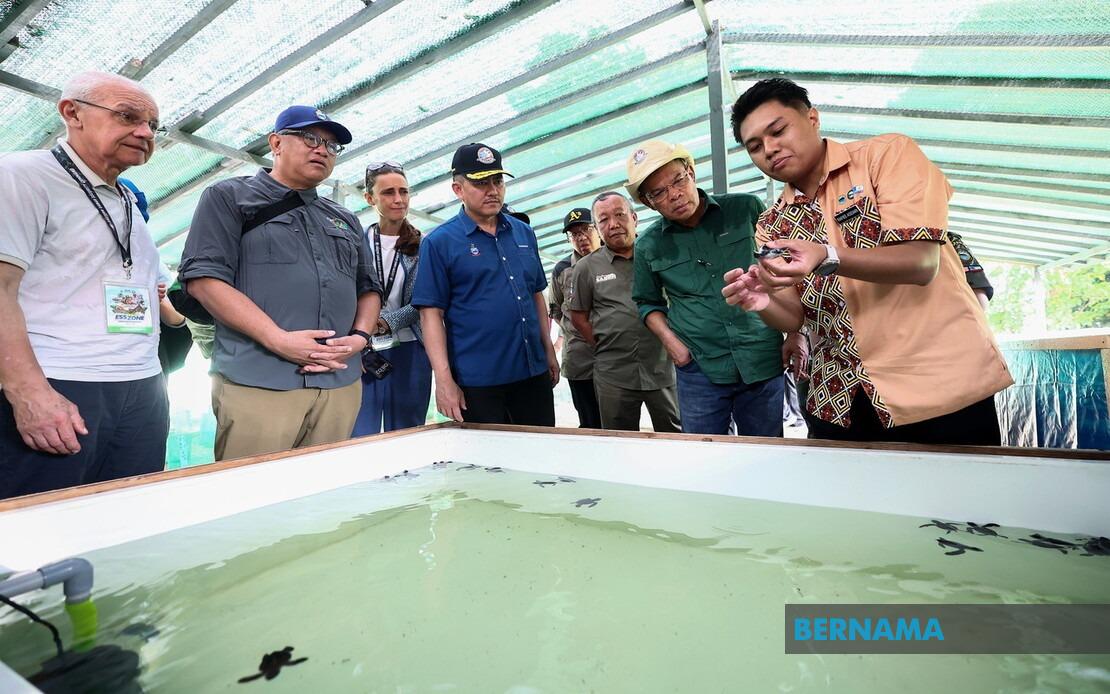
To reinforce the diplomatic messaging campaign, the government organised a security familiarisation programme that brought fourteen diplomatic representatives to the Eastern Sabah Security Zone. Participants visited strategic military installations and key tourist destinations, allowing them to directly observe the security situation and assess tourism potential firsthand. This approach leverages personal observation and direct engagement to counter negative perceptions that may have been formed through intelligence reports or media coverage, operating on the assumption that diplomats who witness improved conditions will communicate more balanced assessments to their home governments.
The Eastern Sabah Security Zone has emerged as a focal point for the government's security and diplomatic efforts. Over the six-month period from January through June, the ESSCOM military command conducted nearly 900,000 inspections across the zone and executed 307 arrests, reflecting intensive enforcement activity. These statistics demonstrate substantial operational commitment to border security and interdiction of illegal activities, though they also suggest a complex security environment requiring sustained military and law enforcement attention.
Enforcement operations within the zone have yielded significant seizures valued at RM23.37 million during the same six-month period, reflecting attempts to disrupt smuggling networks and illicit trafficking operations. The combination of high-volume inspections and substantial asset seizures indicates that security personnel have identified and intercepted numerous prohibited items and contraband throughout the designated operational area. These enforcement metrics provide evidence of active security management, though they also highlight the ongoing challenge of maintaining perimeter integrity and preventing unauthorised movement of goods and personnel.
Government investment in the Eastern Sabah Security Zone reflects the long-term commitment required to maintain border security in complex maritime and territorial environments. Over the thirteen years since ESSCOM's establishment, the federal government has allocated RM723 million to the zone's operations, encompassing equipment procurement, personnel costs, logistics, and infrastructure development. This substantial financial commitment demonstrates recognition that effective security requires sustained investment in capabilities, training, and operational infrastructure rather than temporary or episodic efforts.
The Cabinet's two-week directive and the government's concurrent diplomatic initiatives represent a multifaceted response to a crisis of confidence in Malaysia's security apparatus. Addressing airport vulnerabilities requires not only operational improvements and protocol revisions but also restoration of international confidence through transparent demonstration of enhanced controls. The government's approach attempts to balance immediate remedial action with longer-term strategic communication designed to rehabilitate Malaysia's security reputation among international partners and potential investors.
For Malaysia's regional standing and economic competitiveness, resolving these security concerns carries significant implications. Airport security directly affects airline operations, passenger confidence, and international tourism flows, making effective border control essential to maintaining Malaysia's position as a regional transportation hub. The success of the Cabinet's intervention will be measured not only through operational metrics but through the restoration of international confidence and the subsequent removal of travel advisories and security-related restrictions that may discourage visitors and complicate business operations.

