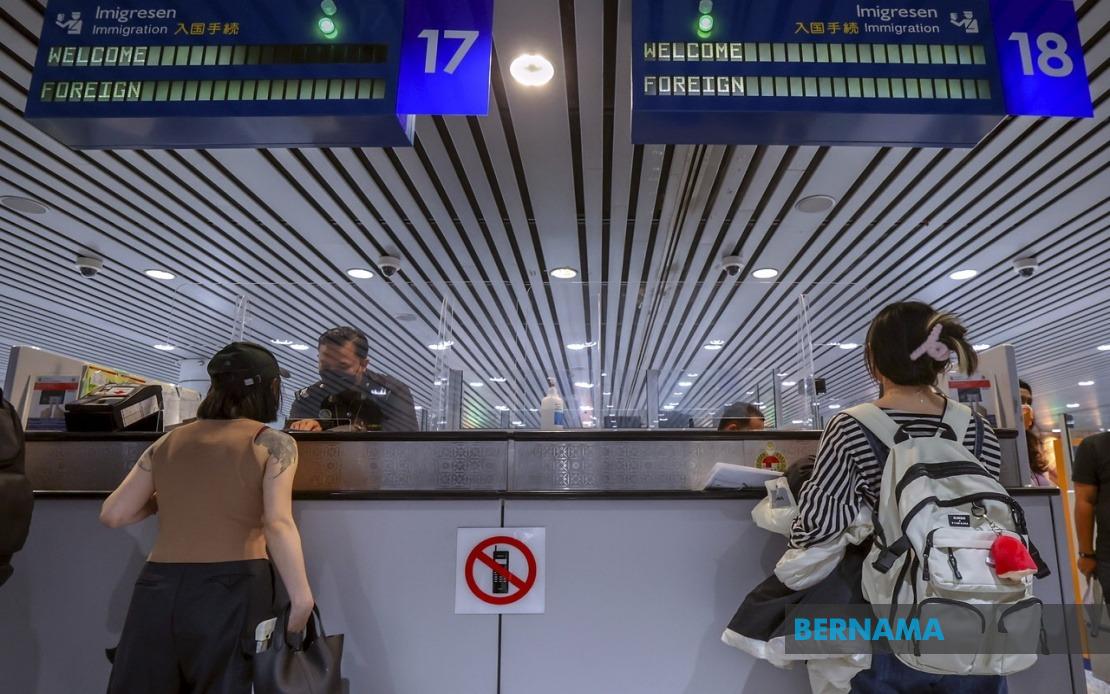
The Malaysian Cabinet has given the green light to a sweeping security enhancement programme targeting the Kuala Lumpur International Airport and the nation's international entry points. The approval follows mounting public concern about the integrity of border controls, driven by high-profile cases involving Malaysian nationals caught smuggling drugs across regional airports. The 17 recommendations, jointly developed by the Home Ministry and Ministry of Transport, represent a structured response to vulnerabilities that critics argue have compromised Malaysia's reputation as a secure aviation hub.
The security strengthening initiative operates across three distinct timeframes, each addressing different layers of vulnerability. The immediate phase prioritises six concrete actions designed to tighten existing safeguards without requiring extensive infrastructure investment or prolonged implementation timelines. These quick-win measures aim to demonstrate governmental responsiveness while longer-term structural reforms take shape. The medium-term strategy focuses on technology acquisition, operational asset procurement, and workforce development, acknowledging that sustainable security improvements demand investment in modern systems and trained personnel. The long-term vision encompasses fundamental system transformation, inter-agency intelligence sharing protocols, and governance reforms that will eventually roll out across Malaysia's network of international borders and ports of entry.
Risk-based targeted screening forms the cornerstone of the immediate action plan, representing a departure from blanket screening approaches toward intelligence-driven inspection protocols. Under this framework, flights, passengers, crew members, and baggage flagged through advance risk assessment will receive enhanced scrutiny, allowing resources to concentrate on high-probability threat vectors. This approach mirrors international best practices adopted by aviation authorities in developed nations, where sophisticated passenger name record analysis and historical travel patterns inform screening decisions. For Malaysian aviation authorities, implementation requires coordination between multiple agencies and access to international passenger databases, necessitating stronger information-sharing agreements with regional and global partners.
The e-Vetting and access control component addresses an often-overlooked vulnerability: insider threats within airport operations. Flight crews, airline staff, ground handlers, airport employees, vendors, and contractors with access to restricted security zones will face enhanced background verification and ongoing credentialing reviews. This measure responds to concerns that individuals with legitimate access credentials may exploit their positions for illicit activities. The Malaysian case that prompted this review involved personnel with direct airport access, underscoring how traditional security perimeters can be circumvented by those who operate within them. Strengthening these gatekeeping procedures requires developing comprehensive databases and verification protocols that currently do not exist in standardised form across Malaysian airports.
Drug screening for aviation personnel represents another significant operational shift. Pre-employment, periodic, and random testing of pilots, cabin crew, and related staff will establish objective health and sobriety standards while potentially deterring employees from involvement in substance trafficking schemes. The recent arrest of a Malaysian pilot at Indonesia's Soekarno-Hatta International Airport with approximately 25 kilogrammes of MDMA highlighted how crew members can become trafficking vectors. Implementing mandatory testing programmes requires establishing testing infrastructure, ensuring laboratory accreditation, and navigating employment law considerations around privacy and medical confidentiality. Regional precedent exists through international carriers operating in Malaysian airspace, providing reference models for policy development.
The remaining three immediate measures—expanding security personnel presence at checkpoint locations, formalising information-sharing protocols between security agencies, and establishing a dedicated Home Ministry-Transport Ministry technical committee—address coordination deficiencies rather than operational vulnerabilities. Enhanced physical security presence serves both deterrent and detection functions, signalling heightened vigilance while enabling rapid response to emerging threats. Information-sharing gaps between agencies have historically created blind spots where individuals flagged by one authority continued operating within another's jurisdiction. The newly constituted technical committee will presumably monitor implementation progress, adjust protocols based on operational feedback, and serve as the coordination mechanism for inter-agency updates.
KLIA will serve as the initial implementation site for this comprehensive package, a logical choice given the airport's regional significance and the concentration of recent incidents within its operations. As Malaysia's principal international aviation gateway, KLIA processes millions of passengers annually and maintains direct flights to major financial centres and strategic partner nations. Security vulnerabilities at this hub carry disproportionate reputational consequences, as international passengers and foreign carriers form opinions about Malaysian security standards partly based on their KLIA experiences. Successful implementation at this flagship airport will provide operational lessons and confidence-building data before expansion to secondary international entry points including Penang, Kuching, and Kota Kinabalu airports, where threat profiles and operational contexts differ substantially.
The planned gradual expansion to other international entry points acknowledges that security protocols must remain flexible and risk-responsive. Smaller regional airports face different threat environments, passenger volumes, and technical infrastructure constraints than KLIA. A one-size-fits-all approach would prove operationally inefficient and potentially wasteful. The stated intention to calibrate implementation according to threat level assessment and operational suitability reflects contemporary security doctrine that emphasises proportionate resource allocation. This approach also avoids overwhelming smaller airports with protocols designed for high-volume international hubs, allowing security specialists to identify context-appropriate measures that address local vulnerabilities without importing unnecessary complexity.
The timing of this initiative carries significance for Malaysia's international standing and aviation sector reputation. Drug trafficking through airports has emerged as a persistent challenge for Southeast Asian governments, with Malaysia's position as a major regional transit point making it particularly vulnerable. The highly publicised arrest of the Malaysian pilot underscored how individual criminal choices can damage national reputation and invite greater scrutiny from international aviation bodies and tourism markets. By demonstrating visible governmental response through a comprehensive, technically credible security programme, Malaysia aims to reassure international carriers, passengers, and regulators that security control lapses have been identified and addressed through systematic improvement rather than ad-hoc measures. The Cabinet's formal approval lends governmental authority and resource commitment to the initiative, distinguishing it from departmental declarations that lack executive-level backing.
Implementation challenges will likely emerge as the programme moves from Cabinet approval toward operational deployment. Technology procurement processes must navigate government procurement regulations while acquiring systems compatible with existing airport infrastructure. Personnel training programmes require curriculum development and instructor certification. Inter-agency coordination mechanisms demand clearly delineated responsibilities and dispute resolution procedures. The Home Ministry and Transport Ministry will need to secure adequate budgetary allocations across multiple fiscal years to sustain medium and long-term phases. International cooperation, particularly regarding information-sharing agreements with ASEAN partners and major aviation regulatory bodies, requires diplomatic negotiation alongside technical standard-setting. These practical considerations will significantly influence whether approved recommendations translate into measurable security improvements or become aspirational statements inadequately implemented due to resource constraints or operational friction.
For Malaysian business and tourism sectors, the security enhancement programme carries both immediate and longer-term implications. Enhanced screening and personnel vetting may incrementally increase passenger processing times at KLIA, though risk-based screening should concentrate delays among high-risk travellers rather than creating universal slowdowns. Aviation industry stakeholders, particularly ground handling companies and airport service providers, will face expanded compliance requirements and ongoing credentialing obligations. These costs will likely propagate through operational expenses, potentially affecting ticket prices and service fees. Conversely, successfully strengthening airport security serves Malaysian economic interests by protecting the aviation sector's reputation, maintaining competitive positioning relative to regional hub airports, and sustaining international passenger confidence. For a nation seeking to expand tourism and position itself as a preferred regional business destination, security and safety perception represent critical competitive differentiators in a market-sensitive environment.

