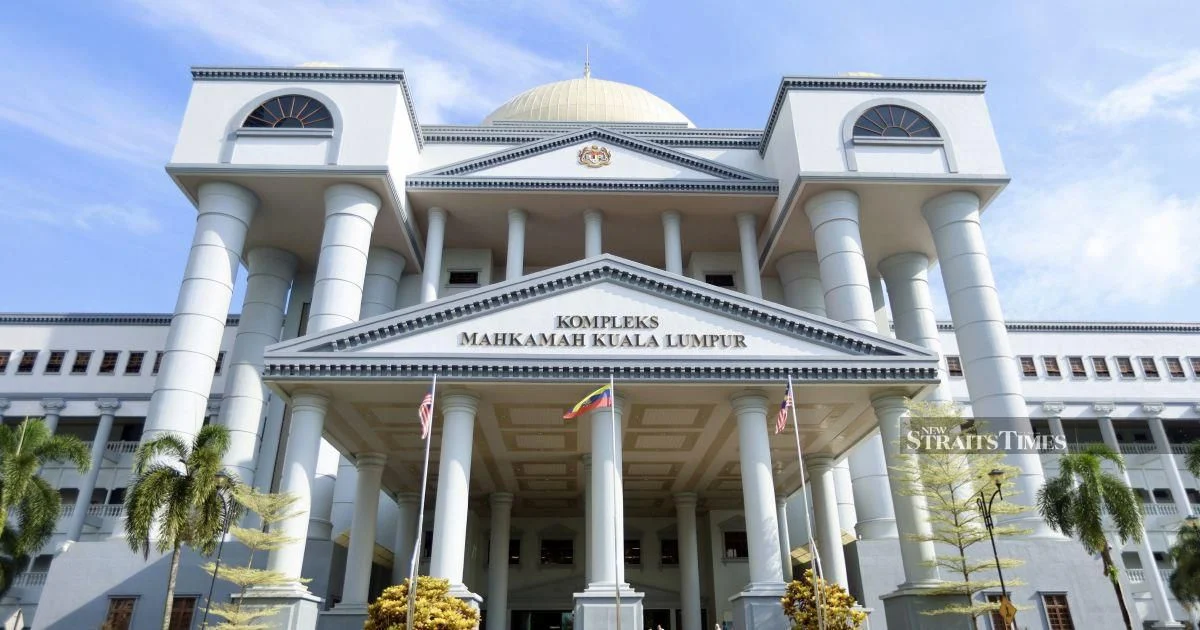
Kuala Lumpur-based businesswoman Sofia Rini Buyong will make her appearance at the magistrate's court here tomorrow to face a criminal defamation charge relating to a statement authorities allege was damaging to someone's reputation. The development marks a significant legal test case in Malaysia's application of defamation law, which remains an active area of jurisprudence in the country's courts despite ongoing debate about whether criminal rather than civil remedies better serve the interests of justice.
The case underscores Malaysia's continued reliance on criminal defamation provisions as a mechanism for protecting individuals from reputational harm. Unlike some Commonwealth jurisdictions that have moved away from criminalising defamation, Malaysia retains both civil and criminal routes for addressing false or damaging statements. This dual approach creates distinct legal pathways depending on the nature of the alleged wrong and the remedy being sought, with criminal defamation carrying the potential for imprisonment in addition to fines.
Criminal defamation prosecutions in Malaysia have historically served as a contentious area of law, with civil society observers expressing concerns about potential chilling effects on free speech and legitimate public discourse. Advocates worry that the availability of criminal remedies can sometimes be deployed to silence critics or suppress debate on matters of public interest. Conversely, supporters argue that criminal protections are necessary to shield individuals from malicious falsehoods that cause genuine harm beyond monetary loss.
The timing and specifics of the charge against Sofia Rini Buyong remain to be fully clarified in court proceedings tomorrow, where details regarding the alleged statement, its context, and the complainant's identity will likely emerge. The magistrate will have the authority to determine whether there is sufficient evidence to proceed with the case or whether alternative resolutions might be considered. Proceedings at this level typically involve initial representations from both the prosecution and defence regarding the viability of the charge.
For the business community in Malaysia, cases involving defamation charges against entrepreneurs carry wider implications. Business disputes occasionally spill into legal arenas when allegations are made about products, services, conduct, or integrity. The distinction between fair comment on business practices and defamatory statements becomes crucial, particularly in sectors where reputation directly influences customer confidence and investor decisions. The outcome of such cases establishes precedent that shapes how businesspeople calculate their legal exposure when making public statements or engaging in competitive disputes.
The law applicable to these proceedings, typically found under Section 499 of the Penal Code and associated provisions, defines defamation as a criminal offense when statements cause harm to reputation knowing them to be false or with reckless disregard for their truth. The criminal threshold differs from civil defamation standards, generally requiring a higher level of culpability and often involving proof of intent or gross negligence. Prosecutors must demonstrate not merely that a statement was false, but that it was made with such disregard for truth as to constitute criminal wrongdoing.
The court system in Malaysia has developed considerable jurisprudence around what constitutes actionable defamation and what falls within protected speech. Courts balance the public interest in free expression against the legitimate interest individuals possess in protecting their reputations from false attacks. Statements made on matters of public concern, expressions of opinion rather than fact, and fair reporting of court proceedings typically receive greater protection. However, the application of these principles remains fact-dependent and sometimes unpredictable, creating legal uncertainty for those making public statements.
Stakeholders within Malaysia's legal and media communities frequently debate whether criminal defamation laws remain appropriate in contemporary society, especially given the rapid spread of information online and the ease with which statements can be disseminated broadly. Digital platforms have transformed how information flows, potentially amplifying the reach and impact of damaging statements while also enabling rapid corrections and responses. Some legal reform advocates suggest that civil remedies, damages, and corrections provide more proportionate responses than criminal sanctions, which impose state punishment and potential incarceration.
The appearance by Sofia Rini Buyong tomorrow will initiate formal court proceedings that may ultimately determine whether the allegations meet the legal threshold for criminal defamation. The outcome could affect how similar cases are perceived and pursued going forward, potentially influencing the decisions of others considering whether to invoke criminal defamation law. The proceedings will unfold within Malaysia's existing legal framework, which continues to prioritize protection of individual reputation whilst navigating the competing interests of open discourse and public communication.

