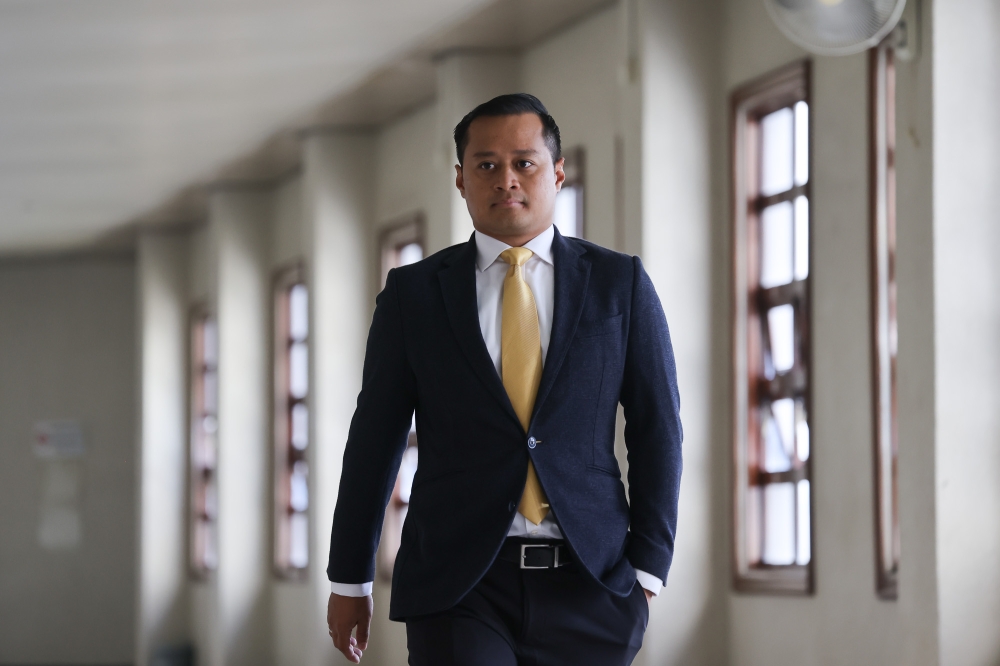
The trial of former Prime Minister Muhyiddin Yassin took a significant turn when a businessman disclosed that a sizeable portion of company funds had been transferred to the ruling Bersatu party without his involvement or approval. Shahrin Shamsuddin's testimony before the High Court in Kuala Lumpur revealed a critical gap in knowledge between business partners regarding the handling of corporate resources, raising questions about internal governance and corporate responsibility that extend beyond the courtroom.
Shahrin's account centres on discovering that his elder brother had initiated a donation from their enterprise totalling RM13.7 million directed toward Bersatu. This revelation appears to have occurred well after the transaction took place, suggesting limited transparency mechanisms within the company's management structure. The timing and manner of his discovery underscore potential weaknesses in oversight procedures that might permit substantial financial movements without adequate consultation among shareholding principals.
The circumstances surrounding this donation carry particular significance within the Malaysian political context, where the interplay between corporate interests and political party financing remains a contentious issue. The case illuminates how business entities can become conduits for political contributions, sometimes under circumstances where not all stakeholders maintain equal awareness or control. Such arrangements have periodically sparked public concern regarding the influence wielded by corporate donors over political decision-making and policy formation.
Bersatu, the political party founded by Muhyiddin himself following his departure from UMNO, has been central to several high-profile legal proceedings involving senior figures within Malaysian politics. The party's role in various financial arrangements continues to draw scrutiny from both judicial authorities and the broader public as investigations proceed. These inquiries form part of the broader accountability framework Malaysia has been implementing regarding political financing and corruption allegations involving former government leadership.
The High Court proceedings represent a crucial moment in the judicial examination of Muhyiddin's alleged misconduct. Witness testimonies such as Shamsuddin's help establish the factual foundation upon which the court will ultimately render its judgment. Each disclosure regarding the movement of funds and the circumstances under which major financial decisions were made contributes to the evidentiary record that determines legal culpability.
For Malaysia's corporate sector, cases of this nature carry important lessons regarding internal governance standards and shareholder communication protocols. When significant funds are transferred from company accounts, particularly toward political entities, all principal stakeholders should ideally maintain contemporaneous knowledge and provide explicit consent. Shahrin's experience highlights the consequences of insufficient communication between business partners regarding major financial commitments, consequences that extend into legal complications and public scrutiny.
The revelation also touches on broader Malaysian governance concerns, particularly regarding how political parties source funding and whether adequate transparency mechanisms exist to track such donations. Malaysia's political financing landscape has evolved considerably following various reform initiatives, yet questions persist about the effectiveness of current disclosure requirements and oversight structures. The Muhyiddin case provides a real-world illustration of gaps that may yet exist within the regulatory framework.
Shahrin's testimony should be considered within the larger pattern of evidence being presented throughout the trial. Multiple witnesses, documents, and financial records will combine to create a comprehensive narrative that either supports or refutes the charges levelled against Muhyiddin. Individual testimonies gain their full significance only when understood as components within a larger evidentiary mosaic.
The broader implications for Southeast Asian politics warrant consideration as well. Malaysia's judicial handling of corruption cases involving former senior leaders influences regional perceptions regarding the strength of democratic institutions and the rule of law in the country. Rigorous proceedings that thoroughly examine allegations, hear comprehensive testimony, and apply consistent legal standards contribute to regional confidence in Malaysia's governance structures.
For ordinary Malaysians, cases involving alleged misuse of corporate resources by political figures often resonate deeply, touching on fundamental questions regarding accountability and fair treatment under the law. Public interest in such proceedings reflects broader concerns about whether powerful individuals and institutions face equivalent legal scrutiny as ordinary citizens, a question that echoes across many democracies grappling with inequality before the law.
The trial continues as additional evidence is presented and further witnesses provide their accounts. The High Court's eventual judgment will represent not merely a determination regarding Muhyiddin's individual liability, but also a significant statement regarding Malaysia's commitment to applying legal standards uniformly and investigating alleged misconduct thoroughly, regardless of the political status of the accused.

