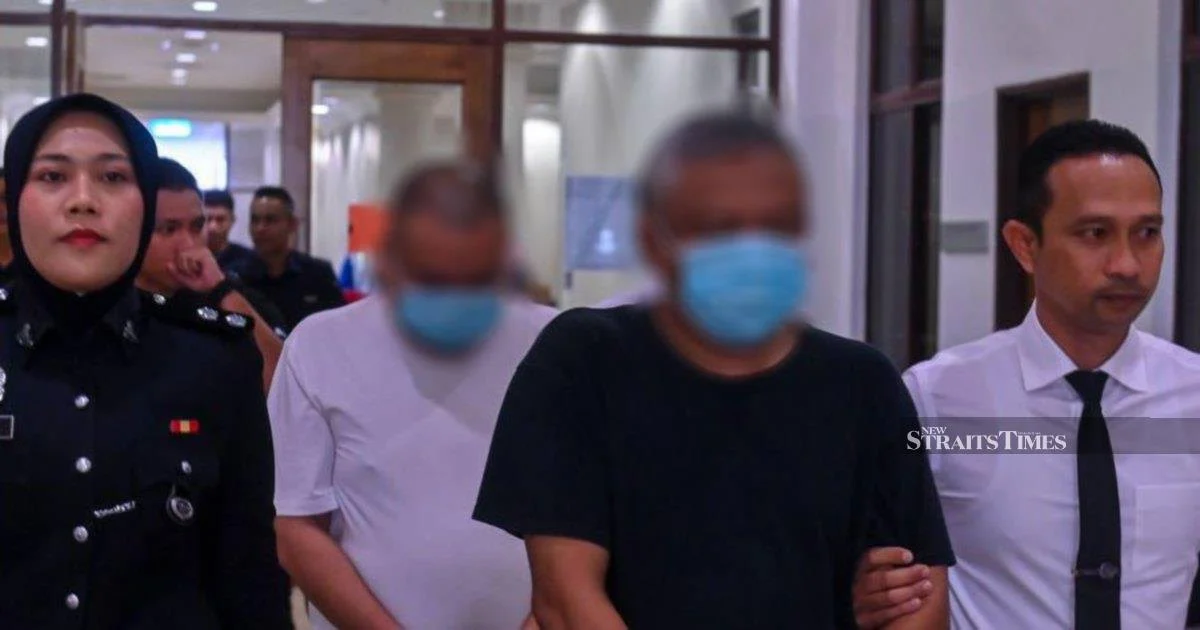
Authorities in Kuantan have arrested a businessman carrying the Datuk title along with his assistant in connection with a significant document forgery case centring on fraudulent correspondence falsely bearing the seal of the Tengku Mahkota of Pahang. The arrests highlight persistent concerns about the misuse of royal identities and official insignia in financial scams across Malaysia.
The investigation began when authorities received information suggesting the pair had created and distributed forged letters using the coat of arms belonging to Pahang's crown prince. Such documents can carry considerable weight in Malaysian business circles, where royal endorsements and official letters often facilitate high-value transactions and command public trust. The deliberate reproduction of official royal seals represents a serious breach of protocol and carries substantial legal consequences under Malaysian fraud and forgery statutes.
Using forged royal documentation to perpetrate fraud is a sophisticated scheme that exploits the institutional authority vested in the royal institution. In Malaysia's hierarchical society, where royal patronage and endorsement carry significant cultural and commercial weight, the production of counterfeit royal correspondence can generate substantial financial advantage. The specific targeting of Pahang's royal symbols suggests the accused may have been attempting to leverage regional connections or attempting to exploit business relationships within the state.
The involvement of an assistant in the case indicates this was likely an organised operation rather than an isolated incident. Having an accomplice typically suggests an established pattern of fraudulent activity, with division of labour between document creation, distribution, and potentially the execution of financial schemes contingent upon the forged letters. Authorities will likely investigate whether other individuals benefited from or received communications bearing the fraudulent royal insignia.
Document forgery cases involving state symbols carry particular gravity in Malaysia's legal framework. Courts have historically imposed substantial sentences for crimes involving royal fraud, recognizing the fundamental importance of protecting the institution's reputation and preventing its exploitation for financial gain. The prosecution will need to establish not only that the documents were forged, but also demonstrate intent to defraud—a requirement that the specific use of royal symbols in a business context typically satisfies.
The Pahang Royal Household, like other state royal offices, maintains strict protocols governing the use of official insignia and the issuance of formal correspondence. Any breach of these protocols can trigger diplomatic as well as criminal responses, potentially involving the palace legal team. The fact that authorities acted quickly on this matter suggests either that palace officials themselves reported the forgery or that fraud victims made formal complaints that prompted investigation.
This case underscores vulnerabilities in verification systems across Malaysian business networks. Despite widespread awareness of document forgery risks, many companies still rely on visual inspection of official-looking correspondence without contacting the purported issuing institution to verify authenticity. Digital verification systems and secure communication protocols could substantially reduce such fraud, yet adoption remains inconsistent across sectors.
For Malaysian readers, particularly those in business and commerce, this arrest serves as a pointed reminder about verification procedures. Always contact official offices directly using verified contact information before acting on letters bearing official seals, regardless of how authentic they appear. The technological capacity to reproduce official documents convincingly has expanded dramatically, making independent verification essential.
The case also reflects broader trends in Malaysian fraud patterns. Perpetrators increasingly target institutions with inherent authority—royal households, government ministries, and regulatory bodies—because successful impersonation of these entities can circumvent normal business skepticism. This particular case demonstrates that even where perpetrators operate boldly using the highest institutional symbols, investigation and prosecution remain possible and likely.
Regional observers will note that similar document forgery schemes have emerged across Southeast Asia, where royal and government institutions face comparable threats. The sophistication of this particular operation, involving both the creation of forged documents and apparently successful distribution, suggests techniques that may have been adapted from wider regional patterns or used in multiple jurisdictions.
As investigations continue, authorities will likely examine financial records, communications between the accused and their victims, and digital evidence of document creation and distribution. The scope of the fraud—how many forged letters were produced, which businesses or individuals received them, and what financial transactions resulted—remains to be determined through ongoing police work. The scale of the operation will substantially influence sentencing recommendations should conviction result.
The arrests send a clear message that Malaysian authorities maintain active enforcement against fraud involving royal institutions. For potential fraudsters, this case demonstrates that sophisticated document forgery schemes involving state symbols receive high investigative priority and attract serious legal consequences. For legitimate businesses, it reinforces the critical importance of implementing robust verification procedures that protect against increasingly convincing counterfeit documentation.

