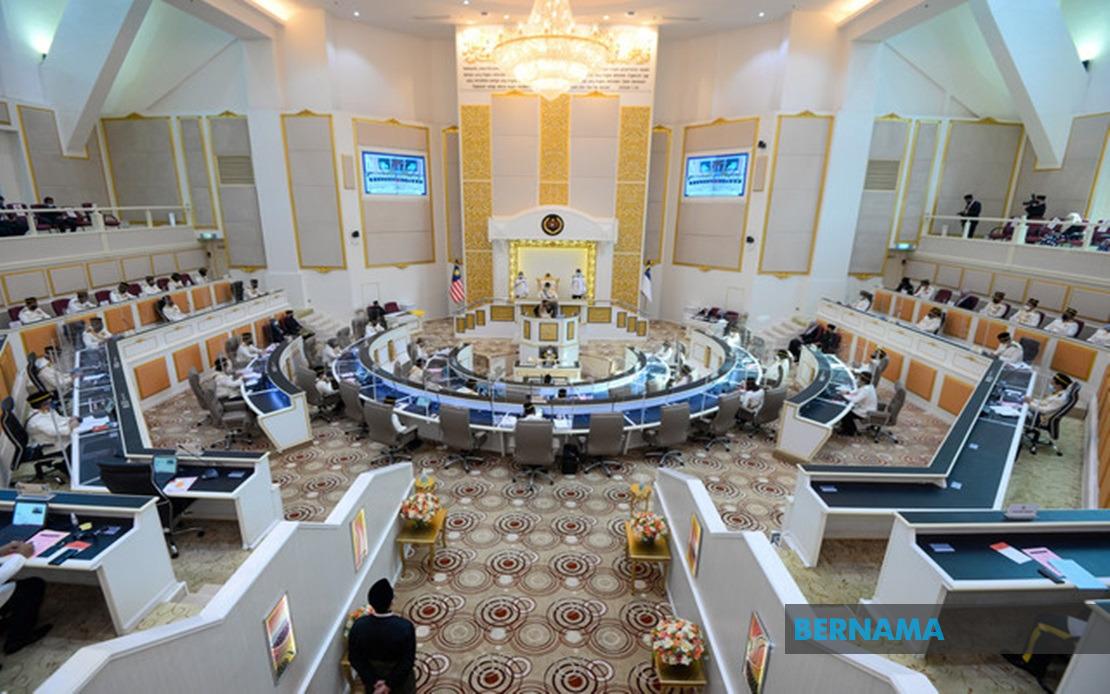
The Melaka state government is positioning the long-awaited Bukit Rambai Health Clinic as a centrepiece of improved healthcare delivery in the district, with a final decision on construction funding expected when Parliament debates the 2027 Budget this October. Speaking in the state assembly, the health committee chairman indicated that the project has already progressed significantly, with site preparation work completed and formal approval sought through the Ministry of Economy's Rolling Plan 2 framework under the 13th Malaysia Plan.
Datuk Ngwe Hee Sem, who chairs the State Health, Human Resources and Unity Committee, outlined an ambitious three-year construction timeline that would position the facility alongside the existing health clinic at Bukit Rambai. The prospective Type 3 clinic represents a substantial upgrade to primary healthcare infrastructure in the district, moving beyond the conventional scope of basic clinics to offer integrated diagnostic and therapeutic services under a single roof. This architectural and operational philosophy reflects a broader shift in Malaysia's healthcare policy towards consolidating outpatient services and reducing fragmentation that traditionally requires residents to visit multiple locations for specialist consultations.
The expanded clinic will fundamentally transform healthcare access for Bukit Rambai's population, introducing capabilities previously unavailable at the local level. Radiology services, including X-ray imaging, address a significant gap in diagnostic capacity and would eliminate the need for routine referrals to district hospitals for basic imaging. The five-chair dental suite represents a major expansion of oral healthcare provision, historically a bottleneck in Malaysian primary care where dental services remain heavily concentrated in urban areas and private practice.
Beyond these core additions, the facility will house nutrition and dietetics specialists, optometrists, and a comprehensive suite of allied health professions including physiotherapists, occupational therapists, and speech-language pathologists. The inclusion of counselling psychology and medical social work services reflects growing recognition of mental health and psychosocial dimensions of wellness, areas that have traditionally remained underserved in Malaysia's primary healthcare architecture. These services prove particularly valuable in semi-urban districts like Bukit Rambai, where social stressors and work-related conditions demand integrated psychological support.
The clinic's design prioritises operational efficiency and service coordination across multiple domains. Enhanced outpatient capacity will reduce bottlenecks that plague Malaysia's public health system, whilst dedicated maternal and child health services acknowledge the ongoing importance of preventive and reproductive health interventions. Laboratory facilities embedded within the clinic enable rapid turnaround for routine investigations, supporting clinicians in making faster diagnostic decisions. The integrated pharmacy function streamlines medication management and enables direct patient counselling on prescription usage.
School health services and health promotion activities form another critical component of the new clinic's mandate. These preventive functions, often underfunded and understaffed in existing clinics, support screening, vaccination, and community education that reduce disease burden across the district. By centralising these functions within a well-resourced facility, the health committee anticipates sustained improvements in population-level health outcomes alongside individual patient care quality.
The decision timeline carries significance beyond Melaka, as the Bukit Rambai project exemplifies how Malaysia's healthcare expansion now operates through integrated five-year development plans rather than ad-hoc facility construction. The Rolling Plan 2 submission demonstrates that district-level needs are being systematically assessed and processed through the Ministry of Economy's budgetary framework. However, the delay in final approval until October's budget presentation also highlights the chronic bottlenecks affecting healthcare infrastructure projects, where site preparation can complete well ahead of funding confirmation.
For Malaysian residents in semi-developed districts, the Bukit Rambai clinic model addresses persistent frustrations with fragmented primary care. Rather than making separate journeys for dental work, eye examinations, laboratory tests, and specialist therapies, patients will access integrated services designed to recognise the multidimensional nature of health. This consolidation reduces transaction costs for working families and elderly residents, particularly those without personal transportation or residing in areas with limited public transit.
The proposed facility also reflects healthcare workforce realities across the region. By creating a comprehensive clinic with diverse allied health professionals, the project supports employment for therapists, nutritionists, and psychologists who currently face limited opportunities outside major urban centres. Such facilities can catalyse professional retention in secondary cities, addressing brain drain that concentrates expertise in Kuala Lumpur and other capitals.
The three-year construction horizon, if approved, would position the clinic for completion around 2030, aligning with broader infrastructure timelines for Melaka's development. The completion would arrive during a period when aging demographics across Malaysia intensify demand for accessible chronic disease management and preventive services that primary care clinics can deliver effectively.
Congestion relief stands as another tangible benefit that parliamentary budget approval would unlock. The existing Bukit Rambai Health Clinic has likely experienced capacity constraints typical of successful facilities, where user demand eventually exceeds physical infrastructure and staffing. The new facility would absorb overflow demand whilst enabling service specialisation that improves the quality of encounters for both patients and healthcare workers facing burnout in overcrowded conditions.
State assemblyman Lim Ban Hong's question that prompted the disclosure suggests ongoing community and political pressure for healthcare infrastructure investment in Kelebang, reflecting constituent expectations that development spending address local service gaps. The committee chairman's detailed response indicates that substantial groundwork has progressed, positioning the October 2027 Budget announcement as the critical juncture where financial commitment becomes concrete. Should parliamentary approval proceed, the Bukit Rambai clinic would represent a meaningful advancement in bringing integrated, specialty-informed primary care to Malaysia's secondary urban centres.

