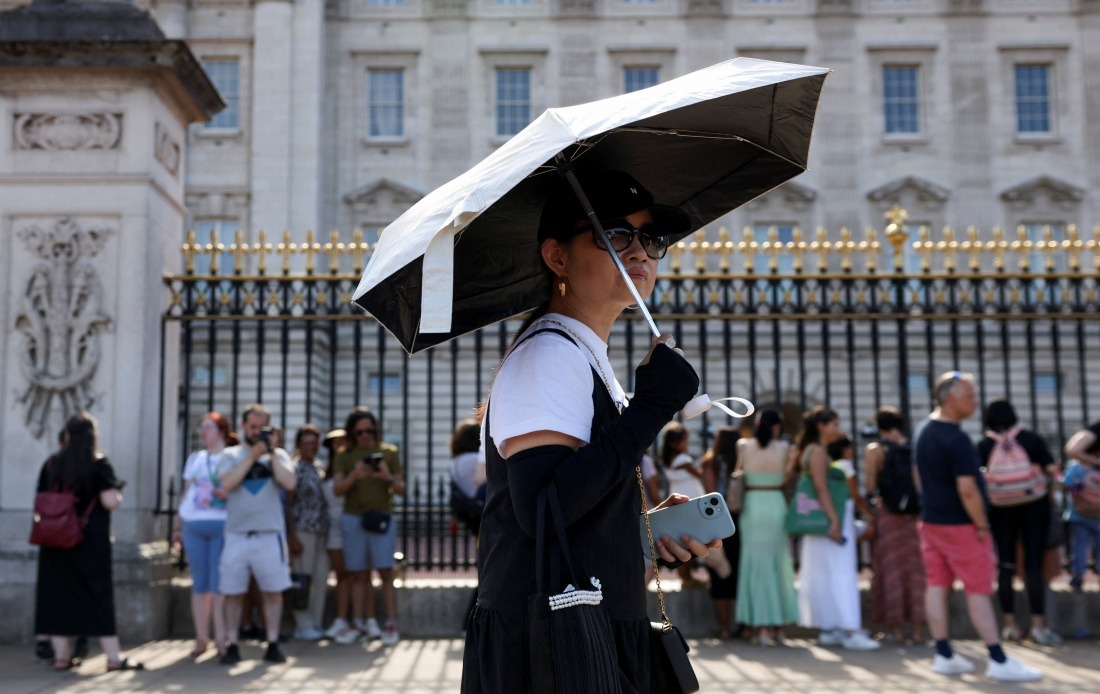
Britain's iconic Buckingham Palace has suspended its famous ceremonial guard changes this week as the United Kingdom braces for what could be its hottest June on record. The Household Division, which oversees these elaborate military traditions, announced on Tuesday that the beloved ceremonies in Windsor and London would not proceed on Wednesday, Thursday, or Friday due to dangerously elevated temperatures expected to peak midweek. The unprecedented cancellation underscores the severity of the meteorological emergency unfolding across the British Isles, where a rare red weather alert has been issued for the entire nation and Wales.
The UK's Met Office issued the red weather warning on Monday, signalling an exceptional and dangerous weather event that poses significant risks to public health and safety. Such alerts are rare in Britain and typically indicate that the normal functioning of society faces genuine threat. Forecasters predict temperatures will soar to 39 degrees Celsius on Wednesday and Thursday, with some regions potentially recording even higher extremes. These figures would shatter the current June temperature record and represent a level of heat that British infrastructure and population have not been prepared to withstand. The meteorological agency's projection reflects growing concerns about the intensity and frequency of extreme weather events in Western Europe, mirroring climate patterns being observed across the globe.
The Household Division's decision prioritises the wellbeing of those most vulnerable to heat-related illness in outdoor settings. The statement emphasised that the protection of soldiers, military working horses, and the large crowds who typically gather to witness these colourful pageants remained paramount. While the Royal Horse Guards' ceremony scheduled for Wednesday will proceed in some form, it will be significantly modified, taking place much earlier in the morning to avoid the peak heat hours and stripped of its usual elaborate ceremonial elements. Additionally, soldiers participating in any outdoor duties have been instructed to rotate more frequently and remain positioned in shaded areas whenever possible, reducing their direct exposure to the extreme temperatures.
The cancellations represent a dramatic disruption to one of Britain's most recognisable traditions. The Buckingham Palace guard change is viewed by millions of visitors annually as an essential component of the British pageantry experience, and its suspension sends a clear message about the magnitude of the heat crisis. For Malaysian and Southeast Asian visitors planning trips to London, the cancellation serves as a stark reminder that even the world's most developed nations are vulnerable to climate extremes. The suspension also highlights how rapidly changing weather patterns are forcing institutions to adapt their operations and challenge assumptions about what environmental conditions Britain can normally expect.
Beyond the ceremonial disruptions, the extreme heat has prompted unprecedented closures of educational institutions across southern England. Approximately 100 schools in Somerset have decided to remain shut during the peak heat period, according to county council officials. Buckinghamshire has closed a similar number of schools, while Gloucestershire has suspended in-person classes at more than 80 educational establishments. In London itself, nearly ten major schools have cancelled face-to-face lessons for students. These closures affect hundreds of thousands of young people and represent a significant disruption to the academic calendar at a critical time of year when examinations and end-of-year activities are typically concluding.
The affected regions all fall within the geographic area covered by the Met Office's red weather warning, indicating that they face the most severe heat stress. Schools making these decisions have cited concerns about the welfare and safety of students and staff in facilities that often lack modern air-conditioning systems. British schools, designed for a temperate climate with regular cooling periods, frequently become dangerously warm during extended sunny spells. With temperatures expected to exceed levels most buildings are equipped to handle, educational leaders determined that maintaining normal operations would compromise student welfare and learning outcomes. The decision reflects a precautionary approach that prioritises human safety over institutional routine.
The scale and nature of this weather event carries implications for Southeast Asia, where extreme heat is already a chronic challenge. Malaysia, with its tropical climate and regular temperatures exceeding 32 degrees Celsius, has developed greater resilience to sustained heat through infrastructure design, workplace protocols, and public awareness. However, Britain's struggle with temperatures that are merely approaching Malaysia's routine summer highs demonstrates how climate vulnerability is not solely determined by extreme values but also by preparedness, infrastructure design, and population acclimatisation. As global temperatures continue rising, the disparity between regions adapted to heat and those unprepared for it will likely widen, potentially creating new patterns of climate-driven inequality.
The heatwave also underscores the increasing unpredictability of British weather patterns. Historically, the United Kingdom has experienced a relatively stable, cool maritime climate that has remained fairly consistent over generations. The emergence of record-breaking temperatures and red weather alerts during June represents a departure from established norms that British society had come to expect. Meteorologists attribute such patterns to broader climate trends that are intensifying extreme weather events globally. For the UK, adaptation will require significant investments in cooling infrastructure, revision of building codes, and public health preparedness systems more suited to heat emergencies than the nation has traditionally maintained.
From an institutional perspective, the Household Division's response demonstrates how even centuries-old traditions must adapt to contemporary realities. The military's willingness to modify or suspend ceremonies that have continued through wars, economic crises, and other upheavals shows that environmental limits are now shaping decisions at the highest levels of British society. The flexibility required to manage operations during extreme heat reflects a broader reckoning with the practical consequences of climate change. For visitors and observers worldwide, including those from Malaysia and the broader Southeast Asian region, the cancellations serve as a visible indicator that climate impacts are reshaping daily life even in wealthy, developed nations.
As Britain faces this exceptional weather event, public health authorities are urging residents to take precautions against heat-related illness, stay hydrated, and avoid unnecessary outdoor exposure during peak hours. The combination of school closures, cancelled ceremonies, and widespread public alerts signals that this heatwave is being treated as a genuine emergency rather than merely an inconvenience. The coming days will test whether the infrastructure, public services, and population preparedness measures that Britain has hastily implemented will prove sufficient to manage the extreme conditions safely. The outcome will likely influence how the country approaches heat planning and infrastructure development in future years.

