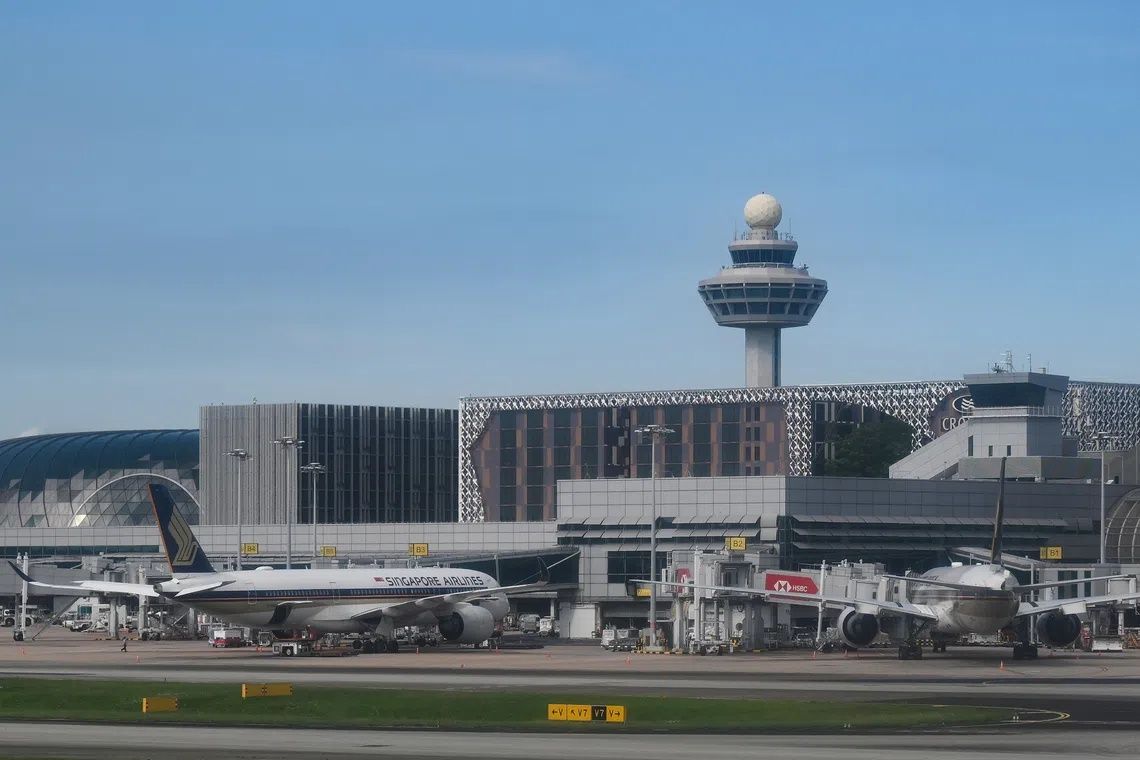
Singapore authorities are moving to prosecute a 25-year-old British national following a disruptive incident at Changi Airport's Terminal 1 on July 20 that resulted in a significant flight delay and left an airline employee injured. The incident, which unfolded around 4.05pm when officers responded to reports of a passenger causing a disturbance at a boarding gate, has drawn attention to security protocols at one of Asia's busiest aviation hubs and raises questions about passenger conduct standards in the region's airports.
According to police statements released on August 11, the man's behaviour began deteriorating well before the physical altercation that would ultimately disrupt travel plans for scores of passengers. While waiting at the gate for a flight bound for Kuala Lumpur, he engaged in loud conversation and shouting that disturbed fellow travellers. His apparent intoxication became evident to airline personnel monitoring the boarding process, prompting staff to intervene and address his disruptive conduct.
The situation escalated significantly when airline staff attempted to manage the situation directly. Rather than cooperating with their instructions, the man responded with anger and hostility, directing vulgarities at the workers trying to assist him. This verbal aggression triggered the airline's decision to remove him from the flight altogether—a standard protocol when passengers pose a risk to the safety and comfort of others aboard.
When informed that he would be offloaded due to his intoxicated state, the man's behaviour intensified dramatically. Rather than accepting the decision, he allegedly became aggressive and forcibly pushed past airline staff members in an attempt to board the aircraft regardless of the airline's directive. During this physical confrontation, one staff member fell to the ground and sustained injuries to her left arm and wrist, requiring attention for her injuries sustained during the altercation.
The incident's impact rippled far beyond the immediate confrontation. As the man continued to display aggressive behaviour and hurl vulgarities at airport security personnel attempting to manage the situation, the flight's departure was delayed by a full 45 minutes. This extended postponement affected not only the passengers on that particular aircraft but also created scheduling complications throughout Terminal 1's operations, demonstrating how individual passenger misconduct can cascade into broader operational disruptions at major aviation facilities.
The charges now being pursued against the British national reflect the seriousness with which Singapore's authorities treat such incidents at critical transportation infrastructure. The first charge addresses causing annoyance while intoxicated in a public place, a statute designed to protect the comfort and safety of the travelling public. The second charge targets his verbal aggression—specifically using threatening, abusive, or insulting language or behaviour directed at airline staff. The third and most serious charge concerns his unauthorised entry into a protected area of the airport, a security-sensitive violation that authorities treat with particular gravity.
The potential penalties outlined for each charge underscore Singapore's zero-tolerance approach to airport disruptions. Conviction on the intoxication charge carries a maximum fine of S$1,000, up to six months imprisonment, or both sanctions combined. The abusive language charge carries a potential fine reaching S$5,000. The unauthorised access charge carries the heaviest potential penalty: a fine of up to S$20,000, imprisonment for up to two years, or both, reflecting the security implications of breaching protected airport zones.
This incident carries particular relevance for Malaysia and Southeast Asian aviation authorities. Changi Airport serves as a major regional hub connecting Singapore to cities throughout the region, including Kuala Lumpur, making it a critical transit point for Malaysian travellers and expatriates. The disruption caused by this passenger demonstrates vulnerabilities in managing intoxicated travellers and highlights the physical risks faced by airline and airport staff when attempting to enforce safety protocols. As international tourism and business travel continue expanding across Southeast Asia, incidents like this underscore the need for consistent, region-wide approaches to passenger conduct standards and staff protection.
The case also reflects broader trends in aviation disruption. Airlines and airports globally have reported increasing incidents of passenger misconduct, often linked to alcohol consumption, particularly on regional and short-haul routes where enforcement may be perceived as less stringent. Singapore's approach—combining serious criminal charges with substantial potential penalties—serves as a deterrent model that other Southeast Asian nations might reference as they develop their own protocols for managing disruptive passengers.
From an operational perspective, the 45-minute delay demonstrates the cascade effect of security breaches at major transportation hubs. When a passenger forcibly enters a protected area, airlines must reassess security procedures, rescreen passengers, and verify flight integrity before departure can proceed safely. These necessary precautions, while protecting passenger safety, create the downstream delays that affect dozens of other travellers and ripple through the entire airport's schedule.
The anticipated court appearance on August 12 will mark the formal beginning of Singapore's legal proceedings against the accused. How this case is adjudicated may establish precedent for similar incidents at Changi and potentially influence how other Southeast Asian airports handle comparable situations. For Malaysia's aviation sector, particularly at Kuala Lumpur International Airport and other major hubs managing high passenger volumes, this Singapore case provides instructive context about enforcement mechanisms and penalties that might deter similar misconduct among travellers in the region.
The incident ultimately serves as a reminder of the vulnerabilities facing airport staff who must balance customer service with safety enforcement, particularly when dealing with intoxicated individuals who may become physically aggressive. The injury sustained by the airline employee highlights the occupational hazards these workers face when attempting to maintain order and security in the aviation environment.

