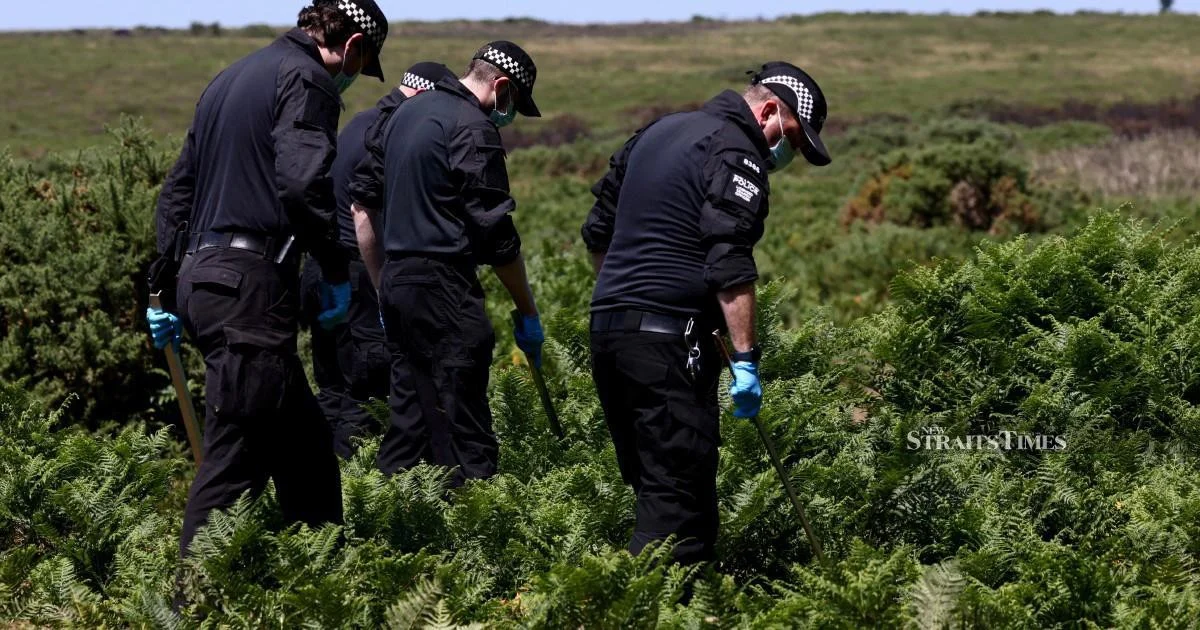
British law enforcement announced on Saturday that a 28-year-old man arrested in South Yorkshire is being held on suspicion of murdering Ann Widdecombe, a former Conservative government minister who held several significant posts during her parliamentary career. The arrest marks a significant development in what has become a high-profile criminal investigation involving a senior former politician.
Ann Widdecombe served in various ministerial roles throughout the 1980s and 1990s, establishing herself as a notable figure within British politics before her retirement from parliament. Her tenure included positions in the Department of Health and the Home Office, where she became known for her forthright positions on law and order policy. Her death has shocked the political establishment and the broader British public, given her considerable prominence in recent British political history.
The arrest in South Yorkshire represents a major turning point in the investigation, suggesting that law enforcement authorities have gathered sufficient evidence to move forward with formal action against a specific individual. South Yorkshire Police have been leading the inquiry into the circumstances surrounding Widdecombe's death, and the arrest demonstrates the progress made by detectives working on the case. The suspect remains in custody pending further enquiries.
Widdecombe's lengthy career spanned multiple decades of British politics, during which she became recognised as a principled and occasionally controversial voice in parliament. Her positions on various policy matters generated considerable public debate, and she maintained a visible public profile even after stepping away from electoral politics. The investigation into her death has therefore drawn significant media attention and public concern given her status as a former senior government official.
The circumstances surrounding the death itself have not been widely publicised beyond confirmation of suspicious circumstances that warranted a murder investigation. Law enforcement authorities have been conducting a thorough inquiry to establish the precise sequence of events and any motive that may have existed. The arrest of the 28-year-old man suggests investigators have identified what they regard as credible evidence linking him to the alleged crime.
For Malaysian and regional readers, this development carries particular relevance insofar as it illustrates how even established democracies with centuries of stable governance can experience unexpected tragedies involving public figures. The investigation also underscores the professionalism of British law enforcement in handling high-profile cases, moving methodically through evidence-gathering before making formal arrests. This contrasts with varying approaches to criminal investigations across different nations and legal systems throughout Southeast Asia and beyond.
The case has prompted broader reflection within the United Kingdom about public safety and the vulnerabilities even prominent individuals may face. British politics has experienced occasional incidents involving security threats to MPs and public figures, though serious violent crimes against senior former politicians remain comparatively rare. The arrest and subsequent legal proceedings will likely attract sustained attention from both British media and international observers interested in how the case unfolds through the criminal justice system.
The suspect's age—at just 28 years old—has itself generated discussion, as investigations typically seek to establish any possible connection or motive linking a person of this generation to a retired politician from an earlier era. Detectives will be examining whether any relationship existed between the two individuals, or whether other factors prompted the alleged crime. Such details will emerge as the legal process advances through preliminary hearings and, potentially, full trial proceedings.
The coming weeks and months will see the investigation develop further, with authorities conducting interviews and examining evidence in greater detail. British prosecutors will eventually need to determine whether sufficient grounds exist to bring formal charges against the arrested man. The case will proceed through the criminal courts system, where evidence will be tested and the suspect afforded the legal protections guaranteed under English law.
For the broader British political community, Widdecombe's death represents a significant loss, marking the passing of someone who shaped policy discussions and contributed substantially to parliamentary debates over several decades. Her influence on British politics, particularly regarding criminal justice and social policy, will likely form part of the retrospective assessments of her career. The murder investigation has therefore taken on additional weight as a tragic conclusion to the life of an unusually prominent political figure.

