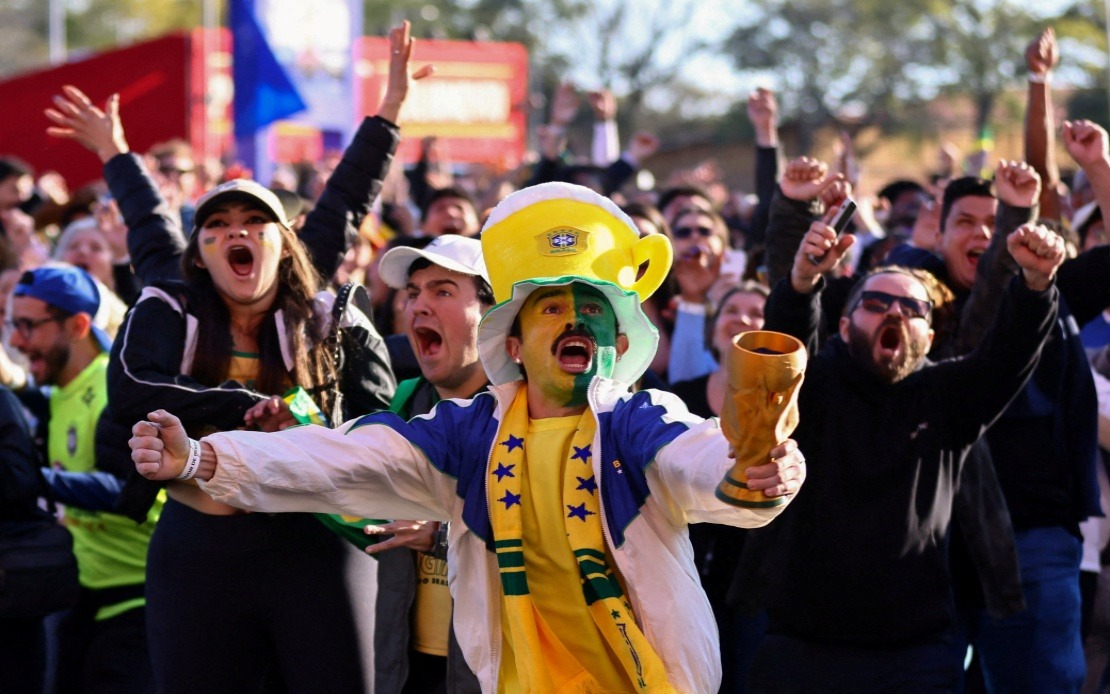
Brazil's progress to the Round of 16 of the 2026 FIFA World Cup came through genuine adversity, as they mounted a stirring second-half comeback to dispatch Japan 2-1 at Houston Stadium in the United States. The South American giants, despite their status as tournament favorites, found themselves trailing after a resolute Japanese defensive display that frustrated their attacking ambitions throughout an absorbing first forty-five minutes.
Japan's tactical approach in the opening period demonstrated the value of disciplined organization against a side seeking to dominate possession. The Samurai Blue deployed a 5-4-1 formation that effectively congested the middle of the pitch and eliminated the space through which Brazil typically orchestrates their attacking moves. Carlo Ancelotti's tactical setup neutralized the Selecao's flanking play, forcing them into a possession-heavy first half devoid of genuine scoring chances. This defensive resilience kept alive Japan's flickering hopes of becoming the first Asian nation to win a World Cup knockout encounter.
The game's pivotal opening goal arrived in the 29th minute through an act of individual brilliance from Kaishu Sano, whose well-taken finish broke the deadlock. The midfielder intercepted a loose pass from Brazil's Danilo before surging forward and unleashing a low drive from distance that eluded Alisson's grasp. For Sano, the moment represented a maiden international goal on football's grandest stage, but more significantly for Japan, it suggested their disciplined approach might yield a historic result. Brazil entered halftime facing a genuine test of character, their dominance in possession counting for nothing against a team content to absorb pressure and capitalize on limited opportunities.
The tactical complexion shifted dramatically after the interval as Brazil emerged with considerably greater attacking intent and purposefulness. Ancelotti adjusted his team's approach, pushing forward with more conviction while maintaining sufficient defensive shape to prevent Japan from exploiting counterattacking opportunities. This shift in intensity manifested through repeated threatening deliveries from wide areas, with the Selecao's players repeatedly testing Japan's back line through dangerous crosses and cutback passes aimed at the penalty area.
Brazil's persistence bore fruit in the 56th minute when Casemiro executed a textbook back-post finish, powering home Gabriel Magalhaes' cross to restore parity. The equalizer proved a crucial psychological lift for the Brazilian contingent in Houston, who sensed their team's momentum building as regulation time progressed. Japan, having come so close to achieving their objective, now faced the prospect of defending a slender advantage against an increasingly potent offensive force.
The denouement came in the closing moments, exemplifying how World Cup campaigns can turn on singular moments of fortune or misfortune. In the 90th minute plus five seconds, Bruno Guimaraes orchestrated a decisive attacking move by driving toward the Japanese penalty area before releasing a perfectly weighted pass into Gabriel Martinelli's path. The Brazilian winger's composure in finishing, despite Zion Suzuki's desperate attempt to block the effort, delivered the heartbreaking blow that ended Japan's tournament participation.
Japan's elimination represents a genuine missed opportunity for Asian football, particularly given their organizational discipline and refusal to capitulate despite facing a superior opponent. Their defensive structure throughout the match demonstrated that tactical acumen and collective shape can provide smaller nations with pathways to competitive results against established powerhouses. However, the late concession underscores the psychological demands of knockout football, where a single lapse or moment of misfortune can erase hours of diligent work.
For Brazil, the victory provides reassurance despite a performance that required second-half adjustments to unlock their opponent's resistance. The ability to demonstrate composure, maintain attacking intent, and capitalize on opportunities in the latter stages suggests their squad possesses the mentality necessary for deep tournament runs. The Selecao will face either Norway or Ivory Coast in their Round of 16 fixture, encounters that should prove considerably more favorable to their attacking preferences and stylistic dominance.
The match serves as a broader reminder for Southeast Asian nations observing the 2026 tournament that World Cup football often rewards resilience and organizational discipline, even against more favored opponents. Japan's performance, despite the disappointing outcome, provides a template for how structured defensive approaches can frustrate superior sides. For Malaysian audiences monitoring the competition, the encounter illustrated both the possibilities available through tactical discipline and the cruel margins separating progress from elimination in international football's premier competition.

