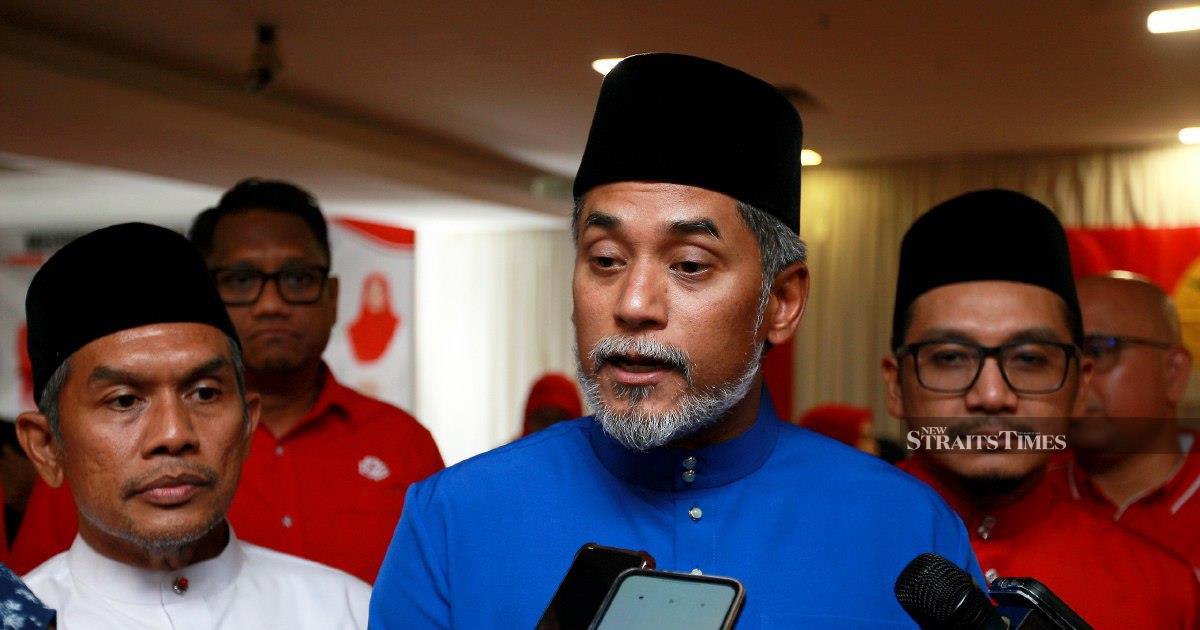
The prospect of electoral cooperation between Barisan Nasional and Perikatan Nasional in Negri Sembilan has emerged as a potential game-changer in the state's political landscape, with veteran politician Khairy Jamaluddin arguing that such alignment could deliver substantial gains for both major coalitions if they can prevent the fragmentation of Malay-majority voting patterns. Speaking in Shah Alam, the former Umno Youth chief highlighted the electoral mathematics at stake, suggesting that a unified front would substantially improve their collective fortunes against opposition parties seeking to capitalize on any divisions within the Malay-Muslim electorate.
The warning reflects broader anxieties within the Umno-led coalition structure regarding the competitive pressure exerted by Perikatan Nasional, which has made significant inroads into traditionally Barisan-aligned constituencies by positioning itself as an alternative representative of Malay-Muslim interests. Since the 2022 general election, the relationship between these two coalitions has oscillated between rivalry and pragmatic cooperation, with state-level contests frequently serving as testing grounds for different political alliances. Negri Sembilan represents a particularly crucial battleground given its demographic composition and recent electoral volatility.
Khairy's comments underscored a fundamental challenge confronting both coalitions: the danger that competition between them could inadvertently benefit opposition parties by allowing opposition candidates to win with fragmented majorities. This phenomenon, where the ruling bloc's vote share remains substantial but is divided among competing candidates, has repeatedly altered electoral outcomes across Malaysian politics. In multi-cornered contests where the opposition consolidates its support while the government-aligned parties split theirs, victory often goes to the unified challenger regardless of overall support levels.
The Negri Sembilan state assembly comprises 36 seats distributed across the state's three districts. Recent demographic and migration patterns have shifted the socio-economic composition of several constituencies, creating uncertainty about traditional voting patterns. Both Barisan Nasional and Perikatan Nasional have invested significantly in grassroots organization throughout the state, sensing an opportunity to consolidate their respective support bases. However, this competitive positioning has created complications for potential coordination, as each coalition fears surrendering strategic advantages by withdrawing candidates in certain constituencies.
From the Umno perspective, maintaining dominance within the Negri Sembilan state government remains important for preserving its influence within the Selangor-Negri Sembilan region, which constitutes a significant political and economic bloc. Perikatan Nasional's growing organizational capacity and appeal to certain demographic segments, particularly younger Malay-Muslim voters concerned with religious governance, has gradually eroded Barisan's traditional vote cushion. The party's experience governing Kedah and earlier governance in Perlis has provided Perikatan with operational credibility that challenges the assumption that Barisan automatically represents superior administrative capability.
Khairy's intervention in the debate carries particular weight given his position within the broader Umno establishment and his recognition of demographic shifts affecting Malaysian politics. His acknowledgement that failure to cooperate could result in electoral reversal demonstrates that even within the coalition's leadership, there is clear-eyed assessment of the competitive threat posed by a divided Malay vote. This candour marks a departure from earlier optimism that Barisan's institutional advantages would automatically translate into continued dominance.
The practical mechanics of BN-PN cooperation in Negri Sembilan would likely involve difficult negotiations around seat allocation, campaign resource distribution, and candidate selection criteria. Previous attempts at coalition-level cooperation have frequently foundered on precisely these distributional questions, with each component party reluctant to cede ground to rivals. Additionally, any public announcement of cooperation risks accusations from opposition parties that both coalitions are conspiring to suppress democratic choice, a narrative that could mobilize oppositional voters and reduce abstention among opposition supporters.
For Malaysian voters in Negri Sembilan, a BN-PN alliance raises important questions about political choice and representation. An electoral understanding between the two coalitions would substantially reduce the practical alternatives available to voters dissatisfied with either major bloc, potentially affecting turnout and engagement in the democratic process. Conversely, a divided Malay-Muslim vote that inadvertently delivers power to opposition parties could fundamentally reshape state governance and policy priorities in directions neither Barisan nor Perikatan anticipated.
The timing of Khairy's remarks also reflects broader regional concerns within the Malay-Muslim political establishment about maintaining coherence in the face of opposition mobilization. Recent electoral patterns have demonstrated that strategic coordination among government-aligned parties can substantially amplify their collective electoral performance, while fragmentation invites reversals. This calculation applies with particular force in states like Negri Sembilan where demographic composition creates genuine uncertainty about baseline support levels across different constituencies.
Peering ahead, the willingness of both coalitions to prioritize coordination over competition will likely determine whether Negri Sembilan's next state election reinforces existing power structures or catalyzes significant political realignment. Khairy's warning suggests that at least some senior figures within Barisan recognize the stakes involved and the mutual vulnerability created by continued rivalry. However, converting this recognition into binding electoral agreements remains complex, requiring concessions that neither coalition finds straightforward to justify internally to their respective party memberships and supporters.

