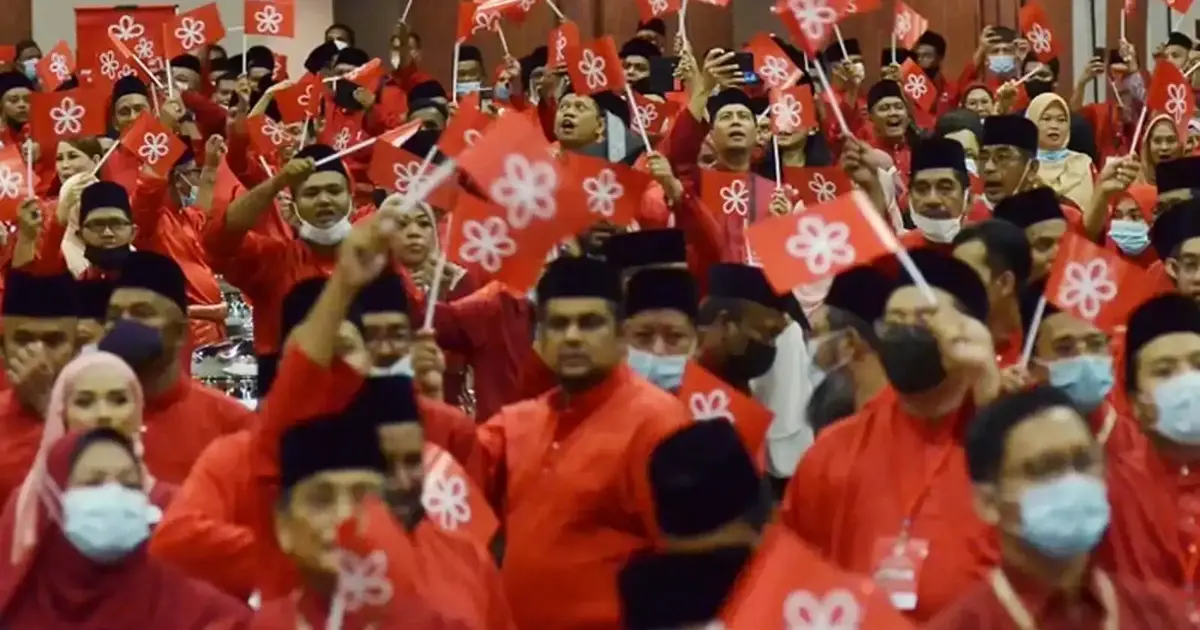
The future of Bersatu within the Perikatan Nasional coalition faces mounting pressure, with PAS treasurer Iskandar Abdul Samad publicly questioning the party's capacity to operate productively in the current political setting. His remarks underline deepening strains within the opposition alliance, which has already weathered significant internal conflicts since its formation and subsequent electoral setbacks.
Iskandar's assessment reflects a broader unease within PN about Bersatu's trajectory and relevance to coalition politics. Bersatu, led by former Prime Minister Muhyiddin Yassin, entered the PN framework as a key component and provided crucial parliamentary numbers when the coalition governed between 2020 and 2021. However, the party's standing has eroded considerably following electoral disappointments and a series of defections that have sapped its legislative representation. The party's current predicament highlights how political fortunes can shift dramatically in Malaysia's fluid factional landscape.
The positioning of PAS, Malaysia's largest Islamist party, as a vocal critic of Bersatu within their shared coalition carries particular significance. PAS has strengthened its parliamentary foothold through recent electoral cycles and increasingly dominates the opposition narrative on religious and communal governance issues. This growing asymmetry in influence between the two parties has created an uncomfortable dynamic, with PAS emerging as the more substantial political force and Bersatu declining into a subordinate role. The tension reflects not merely personal rivalries but fundamental questions about coalition architecture and strategic direction.
Bersatu's difficulties are multifaceted. The party inherited considerable baggage from its association with the Muhyiddin government, which many voters viewed as illegitimate due to the manner of its formation. Subsequent attempts to rebrand and rebuild proved insufficient to overcome public skepticism. Internal discipline issues and a series of high-profile defections to other parties further undermined party morale and institutional coherence. Unlike PAS, which has cultivated deep grassroots networks and maintains ideological clarity on its advocacy platform, Bersatu struggles with an unclear identity beyond the personal political vehicle of its leadership circle.
The practical implications of Bersatu's weakened position within PN extend beyond coalition harmony. A party unable to contribute meaningfully to legislative strategy or electoral calculations becomes an awkward partner to maintain. If Bersatu members continue departing for rival coalitions, the mathematics of PN's parliamentary strategy could shift, forcing difficult choices about the coalition's composition. Other component parties may increasingly view Bersatu as a liability rather than an asset, complicating efforts to present a unified alternative to the current government.
For Malaysian politics more broadly, Bersatu's predicament illustrates the volatility of opposition politics in the post-2022 period. The shift from Pakatan Harapan dominance to a more fragmented landscape has created space for multiple coalitions but also intensified competition and instability. Smaller parties like Bersatu, lacking either the organizational depth of Umno and PAS or the institutional resources of DAP and PKR, find themselves squeezed from multiple directions. The party must simultaneously combat perceptions of illegitimacy while competing for limited political space in a crowded field.
Regional observers have watched Bersatu's trajectory with interest, as it reflects broader Southeast Asian patterns of political realignment. When parties lose electoral momentum and parliamentary representation, the pressures for dissolution or absorption become intense. Bersatu faces a choice: either undertake substantial restructuring to develop independent organizational capacity, or gradually fade as members seek more viable political homes. The current coalition arrangement appears to offer neither advantage sufficient to reverse the party's decline.
Iskandar's public comments likely signal PAS preparation for scenarios in which PN might need reconfiguration. By articulating doubts about Bersatu's viability, senior PAS figures are creating political space for difficult decisions later. Whether this represents genuine concern for coalition stability or calculated positioning for future negotiations remains unclear. Either way, the remarks demonstrate that PN's internal dynamics are shifting in ways that disadvantage Bersatu.
The timing of such public criticism also matters. With parliamentary sessions occurring regularly and electoral implications looming, any hint of coalition fragmentation attracts intense scrutiny from both rival coalitions and the media. PAS's willingness to air internal coalition concerns publicly suggests sufficient confidence in its own position to weather potential backlash. Bersatu, by contrast, has limited room to respond without appearing defensive or accelerating further defections.
Looking ahead, Bersatu must demonstrate tangible value to PN or risk becoming increasingly peripheral. Whether through electoral revival, legislative influence, or organizational renewal, the party requires a credible pathway to relevance. Without such demonstration, Iskandar's assessment may prove prophetic—the coalition arrangement could become genuinely unsustainable as other members calculate that their interests are better served through alternative partnerships. The coming months will likely prove decisive in determining whether Bersatu can arrest its decline or faces marginalization within Malaysian opposition politics.