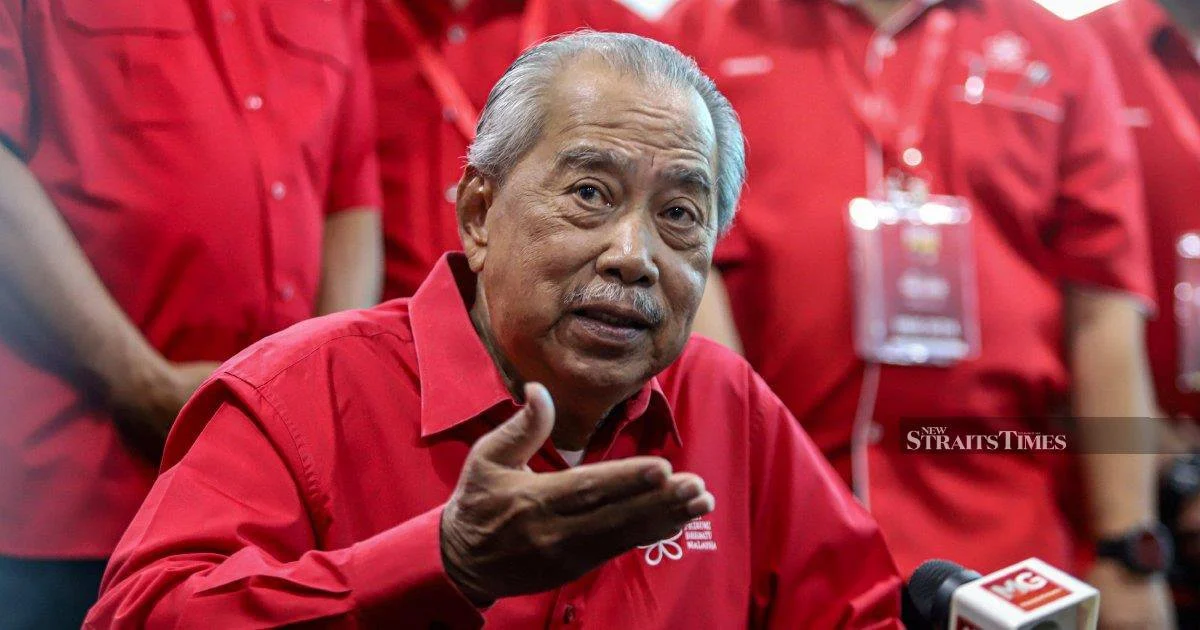
Tensions have surfaced within the Perikatan Nasional coalition after Bersatu expressed disappointment over Pas's unilateral engagement with Barisan Nasional, the long-established ruling front. The development underscores strains within the opposition alliance at a critical moment, as political manoeuvring intensifies ahead of the Negri Sembilan state election. Bersatu's formal objection signals that the party views such bilateral talks as a breach of coalition protocol and suggests underlying anxiety about its political standing within the broader alliance structure.
The incident highlights the increasingly fragile nature of post-2020 coalition arrangements in Malaysian politics. Perikatan Nasional, which emerged as a formidable political force following the collapse of the Pakatan Harapan government, has served as an alternative political platform for parties seeking to distance themselves from conventional Barisan Nasional structures. Bersatu's intervention indicates that the coalition's internal decision-making processes may lack transparency, or that consultation mechanisms have broken down entirely. Such dysfunction could hamper the alliance's ability to present a unified electoral strategy during crucial state-level contests.
Pas's decision to pursue independent dialogue with Barisan Nasional carries significant strategic implications. The Islamic party has historically maintained complex political relationships with traditional Barisan components, particularly in states where it commands substantial voter support. By initiating separate negotiations, Pas appears to be positioning itself as a principal actor capable of striking its own political bargains rather than subordinating decisions to broader coalition consensus. This approach potentially elevates Pas's negotiating leverage but simultaneously undermines the collective authority of Perikatan Nasional as a unified political entity.
For Bersatu, the snub represents a troubling development. The party, which has undergone significant internal upheaval and leadership transitions, relies heavily on maintaining coalition cohesion to sustain its political relevance. Exclusion from high-level negotiations signals potential marginalization within Perikatan Nasional's power structure. Should Pas establish independent arrangements with Barisan Nasional that yield electoral advantages or parliamentary influence, Bersatu risks becoming sidelined in resource distribution and strategic decision-making at the national level.
The Negri Sembilan state election context amplifies these tensions. This particular contest carries disproportionate symbolic weight within Malaysian electoral politics, as control of the state carries implications for broader coalition configurations. How the competing alliances manage their candidate selection and seat allocation will largely determine which coalition maximises electoral returns from the contest. Bersatu's public objection suggests it fears being disadvantaged in seat negotiations if Pas has already struck separate deals with Barisan components who previously dominated the state politically.
Intra-coalition disputes of this nature often reflect deeper ideological or strategic divergences that have been suppressed to maintain alliance unity. Pas, with its Islamist political agenda, may harbour different policy priorities than Bersatu, which has attempted to position itself as an ethno-nationalist party appealing to Malay Muslim constituencies. When crisis moments arrive, such as competitive electoral contests, these underlying differences often resurface as each party prioritises its own electoral interests over coalition loyalty.
The absence of other Perikatan Nasional component parties from these talks raises questions about their visibility and influence within the alliance framework. Smaller coalition members depend disproportionately on collective decision-making processes that allocate parliamentary seats and state positions. When major parties bypass established consultation mechanisms, junior coalition members face uncertainty about their future prospects and may lose confidence in the partnership's viability.
From a Malaysian governance perspective, these coalition management failures carry broader consequences. Political alliances that cannot maintain internal discipline or enforce consultation protocols struggle to deliver coherent policy platforms or stable parliamentary support. Voters in Negri Sembilan and elsewhere increasingly question whether opposition coalitions can effectively govern if they cannot manage internal relationships during the contest phase. Such doubts invariably benefit incumbent administrations regardless of their performance.
The trajectory of Malaysian politics over recent years demonstrates that electoral coalitions require institutionalised mechanisms for resolving disputes and enforcing binding decisions on component parties. Without such structures, alliances become vulnerable to opportunistic behaviour by dominant members who calculate that individual advantage outweighs coalition benefits. Bersatu's public complaint suggests the coalition lacks adequate institutional infrastructure to manage such disagreements confidentially and resolve them before public tensions undermine collective credibility.
Looking forward, whether Perikatan Nasional can recover coalition discipline will depend on whether senior leaders acknowledge that separate negotiations ultimately weaken all parties. The Negri Sembilan election will provide immediate evidence of whether these tensions translate into reduced electoral performance or whether the alliance can compartmentalise internal disputes without affecting public-facing unity. The political stakes extend beyond a single state election, touching on the fundamental viability of post-traditional coalition politics in Malaysia.

