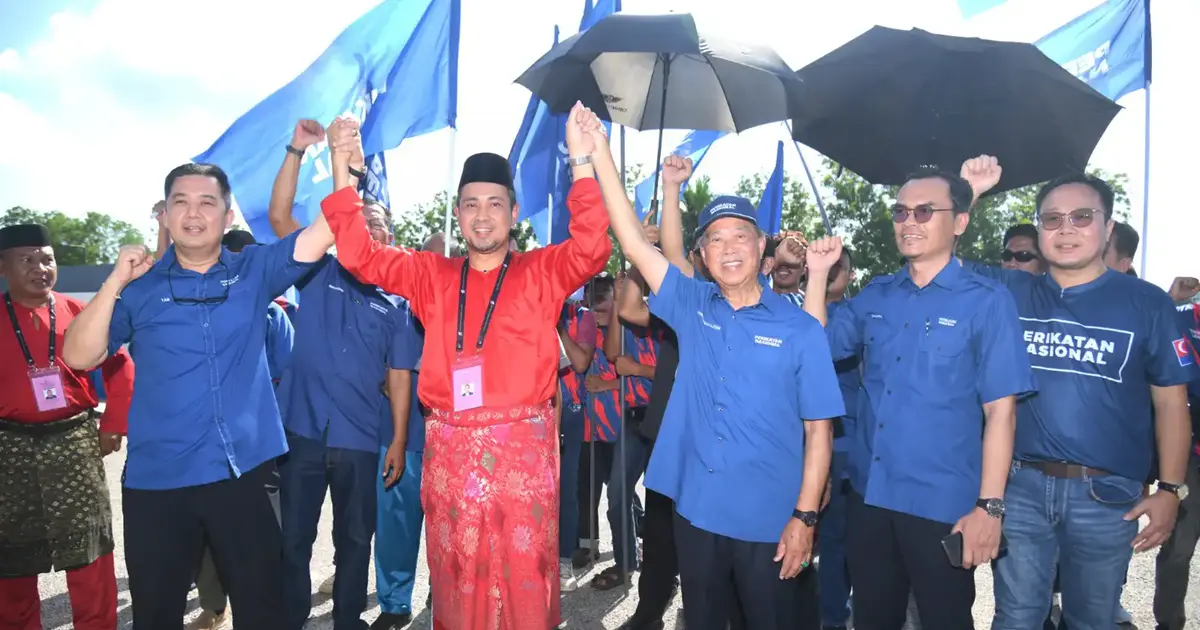
Bersatu has adopted a measured approach following PAS's decision to withhold its electoral machinery from the coalition party, with party leadership maintaining that such setbacks are manageable within the Perikatan Nasional framework. The incident highlights the complexities and strains that can emerge between allies even within ostensibly unified political coalitions, particularly when resources and campaign capabilities become matters of negotiation.
Bersatu president Muhyiddin Yassin has publicly stated that while cooperation and reciprocal assistance form the ideological foundation of Perikatan Nasional, the coalition cannot and should not compel member parties to provide material support beyond their willingness. This position represents a diplomatic acknowledgment that political partnerships, despite their formal structures and declared principles, operate within practical limits where voluntary participation matters more than formal obligation.
The machinery issue carries particular significance in Malaysian electoral politics, where established party structures—including grassroots networks, volunteer coordination systems, and local campaign infrastructure—represent substantial competitive advantages. When a coalition partner declines to share such resources, it effectively signals either disagreement over strategy, concerns about resource allocation, or friction within the alliance leadership. For Bersatu, a party that has undergone multiple transformations and realignments in recent years, such limitations are not entirely unexpected.
PAS, as the Islamic-oriented component of Perikatan Nasional, maintains perhaps the most deeply entrenched grassroots organization among Malaysian political parties, with networks extending into mosques, religious schools, and community structures throughout the peninsula. The party's machinery represents accumulated organizational capital built over decades, and its reluctance to deploy these assets for another coalition partner's benefit suggests PAS leadership may be prioritizing its own electoral consolidation and resource preservation.
The broader context involves the strategic positioning of Perikatan Nasional itself, which emerged as an alternative coalition to the traditional Barisan Nasional arrangement. Since its formation, the coalition has struggled to establish stable internal relationships, with member parties sometimes competing rather than complementing one another in electoral contests. Muhyiddin's calm acknowledgment of the machinery refusal reflects understanding that maintaining coalition cohesion requires accepting such limitations rather than pressing demands that might fracture relationships further.
For Malaysian voters and political observers, this episode underscores that even opposition coalitions or alternative government arrangements operate according to pragmatic self-interest rather than purely ideological solidarity. Each component party must balance coalition membership against protecting its own electoral prospects, organizational independence, and resource availability. In competitive politics, such tensions are inherent rather than exceptional.
The situation also carries implications for how Perikatan Nasional might perform in future electoral contests. Without integrated machinery sharing across member parties, the coalition loses some of the efficiency advantages that unified campaigns offer. This may necessitate alternative approaches, including greater reliance on digital organizing, targeted voter outreach, or issue-based campaigning that does not depend on traditional grassroots infrastructure.
For Bersatu specifically, the party faces continued challenges in establishing itself as a major political force independent of its coalition associations. The party's membership base and organizational reach remain substantially smaller than established rivals like PAS, UMNO, or PKR, which means access to partner machinery or other forms of electoral support has outsized importance for campaign effectiveness. Navigating such dependencies without appearing subordinate or lacking independent standing requires careful political messaging, precisely what Muhyiddin's restrained response attempts to achieve.
PAS's decision might also reflect internal calculations about the 2025 electoral landscape and which coalition configuration serves Islamic conservatism best. The party has historically demonstrated flexibility in alliance arrangements, and its current partnership with Bersatu and other Perikatan Nasional components is not necessarily permanent. By reserving its machinery for its own use, PAS maintains strategic flexibility and preserves resources for any future realignment.
Looking forward, the machinery disagreement may influence how Perikatan Nasional negotiates future cooperation arrangements, potentially leading to more formalized agreements about resource sharing or clearer protocols for supporting member parties. Alternatively, such friction might reinforce skepticism about the coalition's long-term viability as a unified political force capable of challenging established arrangements.
Muhyiddin's diplomatic response, while maintaining party dignity, essentially concedes that Bersatu must develop its own electoral capabilities rather than relying on coalition partners to compensate for organizational weaknesses. This direction aligns with broader trends in Malaysian politics, where coalition membership increasingly means coordination on major policy questions rather than complete resource pooling or integrated campaign structures.
The episode illustrates how Malaysian coalition politics operate beneath official statements of unity, where members maintain considerable autonomy over critical assets and strategic decisions. For voters and analysts monitoring Perikatan Nasional's evolution, such moments reveal the actual dynamics shaping the coalition rather than its formal rhetoric.

